Q: I recently bought my first alpaca. The owner had assured me that the cria tested free of bovine viral diarrhea virus (BVDV). What is this disease? How does a cow disease infect alpacas?
A: Although its name implies this disease affects bovines, other even-toed hoofed animals can be infected including:
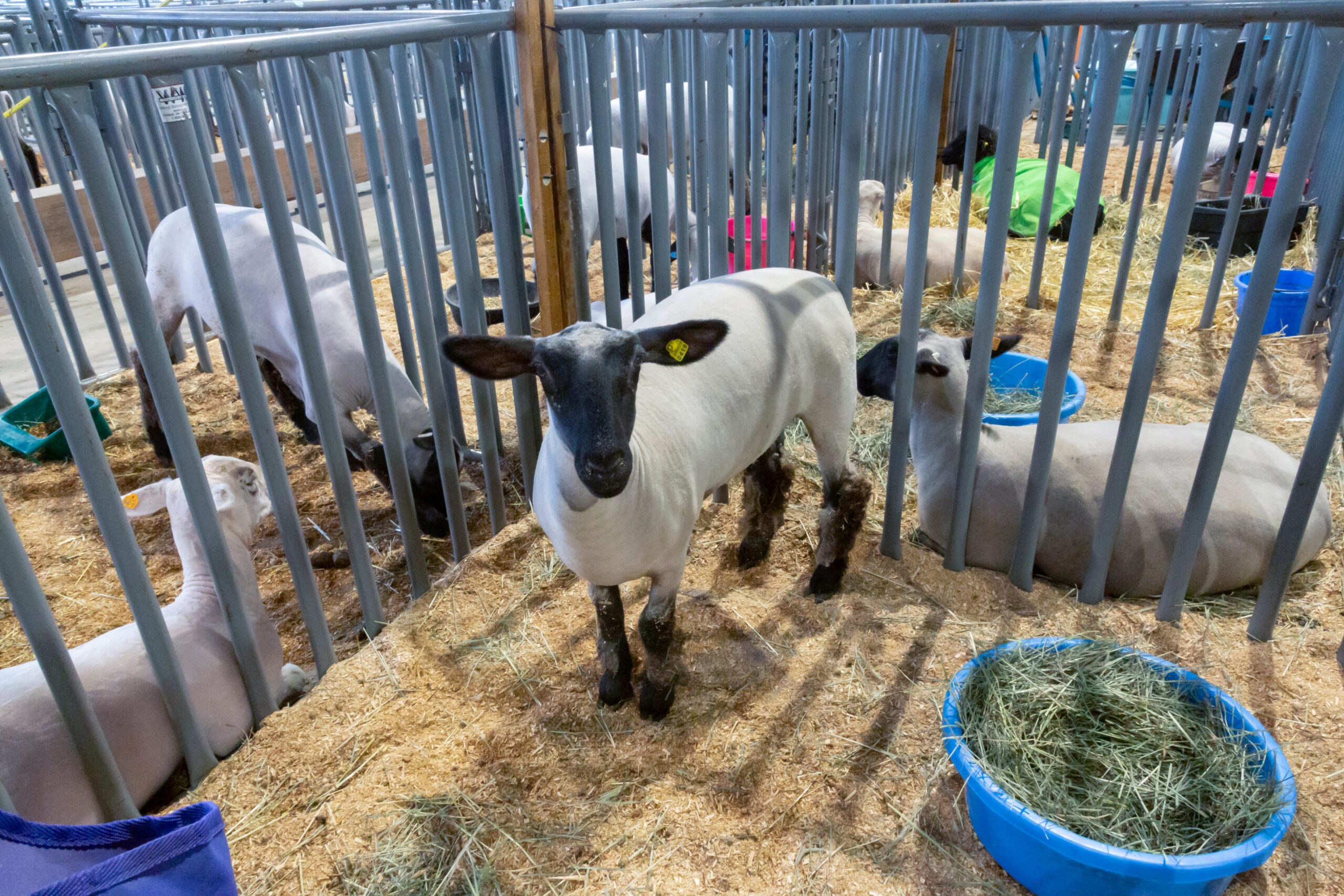
- Sheep
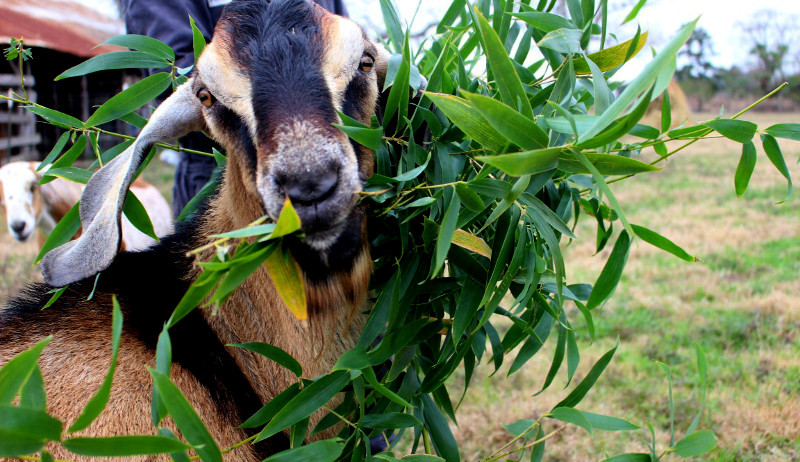
- Goats
- Swine
- Deer
- Old World Camelids (OLC) such as camels
- New World Camelids (NWC) that include llamas and alpacas
There are two biotypes of bovine viral diarrhea virus (BVDV) based upon the pathologic effects seen in infected cell cultures:
- noncytopathic – the predominant type
- cytopathic – a relatively rare mutation that arises in cattle persistently infected with noncytopathic BVDV
BVDV can be transmitted from the mother to the fetus in utero, with varying effects depending upon the gestational age when transmission occurs.
If the virus is transmitted late in the pregnancy, the calf can be aborted or malformed.
However, early transmission can result in a calf which may appear normal but whose immune system is immunotolerant.
Because the calf’s immune system fails to recognize the virus as foreign, it is unable to launch an immune response and produce antibodies, becoming persistently infected (PI). These calves may or may not appear sick but they will shed BVDV and infect other members of the herd.
Other methods of transmission in cattle include ingesting or inhaling the virus, which is found in all body fluids, including tears, semen, urine, and feces. Blood-sucking insects present an infective risk.
The transmission in camelids is not fully understood. Cattle have been suspected as a source but other ruminants and wildlife cannot be excluded.
BVDV in alpacas can result in abortions, illness, and death. Crias can be born persistently infected.
BVDV tests in alpacas depend upon the age of the animal. The serum neutralization (SN) test can detect exposure to the virus, but cannot indicate whether the exposure was through a previous infection or vaccination.1
Owners of bred alpacas may have their veterinarian perform an SN on the mother to rule out the possibility the cria could be born infected. Remember that persistently infected alpacas do not produce antibodies, and will therefore test negative.
The “gold standard” test to determine persistently infected states is virus isolation, regardless of an alpaca’s age.
- A whole blood sample is required for animals age 60 days or less; serum, plasma, or whole blood can be submitted for animals older than 60 days.
- The polymerase chain reaction (BVDV PCR) is an alternative test to virus isolation, and can be performed either on individual animals, or on pooled samples (to control costs) from two animals, up to 60 days of age, or from five animals older than 60 days. Necropsy is recommended for aborted fetuses.
Your breeder tested your cria to guarantee it was free from BVDV before the sale.
As you add to your herd, be sure to follow recommended biosecurity precautions, avoid potential fence line contact with other livestock, and observe quarantine procedures to ensure herd health as you grow your operation.
1 BVDV vaccinations are approved for use in cattle only. Use in camelids is off-label.
Dr. Aaron Tangeman received his Doctorate of Veterinary Medicine from the Ohio State University in 1998 and practices in Northeast Ohio.