Growing garlic is one of the easiest and most rewarding crops for any backyard garden. Garlic stands out among vegetables for its simple “set-it-and-forget-it” growing style, reliable harvest, and the satisfaction of enjoying fresh, homegrown bulbs straight from the garden.
Unlike more high-maintenance crops, garlic requires minimal attention once planted, though harvesting tender summer scapes can add a fun culinary bonus.
Stocking the pantry with homegrown garlic means flavorful bulbs available all year—and the experience of growing garlic often keeps gardeners coming back season after season.
Key Takeaways for Growing Garlic
- Growing garlic is easiest with fall planting, allowing bulbs to mature by mid-summer.
- Garlic prefers sunny, well-drained soil enriched with compost.
- Plant cloves point-side up, 2 inches deep, 4–8 inches apart, with rows 6–12 inches apart.
- Mulching in fall and keeping garlic hydrated in spring and summer supports healthy growth.
- Remove hardneck scapes to encourage larger bulbs and enjoy them in cooking.
- Harvest garlic when foliage yellows and begins to die back; loosen soil carefully to avoid damaging cloves.
- Cure bulbs in a low-humidity space before long-term storage and select the best for next year’s planting.
Growing Garlic: When to Plant
Garlic is typically planted in the fall, allowing bulbs to establish roots before winter and develop into full-sized bulbs by mid-summer. For most regions, late October is an ideal planting window to ensure a harvest around early July.
If fall planting is missed, garlic can also be planted in the spring. Spring-planted garlic may yield smaller bulbs or be harvested as “green garlic,” similar to scallions, but it still provides fresh, flavorful cloves.
Selecting the right planting time depends on the desired harvest size and culinary use. For full-sized bulbs, fall planting is generally recommended, while spring planting works well for early, tender greens or smaller bulbs.
How to Get Seed Garlic
After your first year of growing garlic, your crop will be pretty self-sustaining. Just pick the best bulbs from your harvest and use the cloves to grow next season’s crop.
But what if it’s your first year? Or maybe it’s been a few years and your stock needs refreshing. You can easily find garlic seed stock in nursery catalogs for reasonable prices, though shipping costs are typically substantial, and you’ll push your planting date out quite a bit as you wait on delivery.
Want to plant cloves this weekend? Here’s a quick tip: Just go get some garlic. You can pick up some organic bulbs (important because conventional garlic is likely sprayed with a growth inhibitor—not what you want from seed garlic) at the grocery store, then tear it apart and stick in the ground.
Even better? Head to the farmers’ market and purchase some locally grown seeds. Quick Tip: German hardy hardneck produces scapes, which softneck varieties don’t produce.
Growing Garlic: How to Plant
Planting garlic is simple and doesn’t require complicated techniques. Start by selecting a sunny area with well-drained soil. Loosen the soil using a tiller or garden fork, and incorporate compost to improve fertility and structure.
Next, dig shallow trenches along the length of the planting area. Garlic cloves should be planted about 2 inches deep, spaced 4 to 8 inches apart, with rows at least 6–12 inches apart.
Place each clove point-side up, then cover with soil. For fall plantings, adding a layer of fallen leaves or mulch over the top provides insulation during the winter months and helps retain moisture.
Once planted and mulched, garlic requires minimal maintenance until the growing season begins.
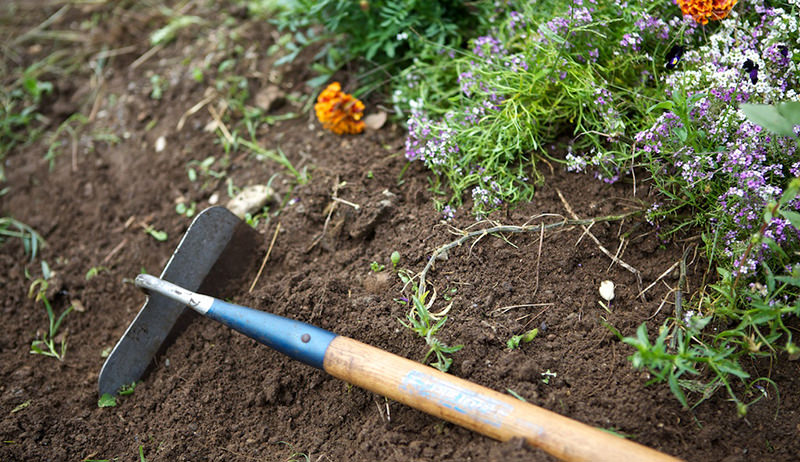
Read more: Hand tools can really get the job done around the farm.
Caring for Garlic Through the Winter
In winter, you won’t see much activity, maybe at most, little green shoots that poke through the cold ground. This winter dormancy is actually important to the plant because it kick-starts the growing process.
Spring & Summer Care for Garlic
As temperatures rise in spring, growing garlic becomes more active. Early growth is slow, but once summer arrives, plants can quickly produce dense green foliage. Keeping growing garlic well-watered during this period is essential, and mulch can help retain soil moisture and suppress weeds.
Hardneck garlic varieties produce scapes—the flowering stalks that emerge from the center of the plant. Removing scapes redirects energy to the bulbs below, resulting in larger, more robust cloves. Scapes typically appear in early to mid-June for fall-planted garlic. They should be cut when they start to curl or before they become tough and woody. Make cuts at a slight angle near the base using clean garden shears to reduce the risk of disease.
Culinary use of garlic scapes is versatile. They can be grilled, used in pesto, or substituted for garlic in stir-fries, pasta, and other dishes. Extra scapes can be frozen for later use, allowing gardeners to enjoy their harvest throughout the year.
Harvesting Garlic
Growing garlic at home means it is usually ready to harvest in mid-summer, often around early July for fall-planted bulbs. The best indicator is the appearance of the plants: when most of the foliage has yellowed and started to die back, the bulbs are mature and ready for collection.
Use a garden fork or similar tool to loosen the soil around the bulbs before lifting them out. Insert the fork a few inches away from the stalk to avoid damaging the cloves, then gently lift the bulbs from the ground. Some bulbs may be partially buried deeper than expected, so take care to loosen soil around each plant.
Green garlic can also be harvested earlier if desired, offering tender cloves with a delicate flavor. Any damaged or nicked cloves can be used first, while the remainder is prepared for curing and storage. Proper harvesting ensures healthy, long-lasting garlic for both immediate use and future planting.
Read more: Market gardeners shouldn’t overlook garlic.
Cure First
As with other edible alliums and tubers, you need to cure your garlic for winter storage. Some people will get fancy and braid the stalks, then hang them to dry. It is important to let them sit in a low-humidity space for a while so they can dry out without growing mold.
You can, of course, enjoy bulbs as you need them during the two or so weeks they’re curing. This is simply about prepping bulbs for storage through the winter and spring.
Once bulbs are cured, you can trim off any extra stalks or roots and store them in a well-ventilated space. And take this time to select your best, biggest bulbs for next year’s crop, setting them aside to plant in next fall’s garlic garden.
And that’s it. You can now add growing garlic to your must-do list for a delicious, homegrown staple.
FAQ: Growing Garlic
Q: When is the best time for planting garlic?
A: Fall is ideal for most regions, usually late October. Spring planting is possible for green garlic or smaller bulbs.
Q: Can I use grocery store garlic for planting?
A: Organic garlic from grocery stores can be used, but avoid conventionally treated garlic, which may be inhibited from sprouting. Local farmers’ markets often have quality seed garlic.
Q: How deep should garlic cloves be planted?
A: Plant cloves about 2 inches deep, point-side up, with 4–8 inches between cloves and 6–12 inches between rows.
Q: What are garlic scapes, and should I remove them?
A: Scapes are the flowering stalks of hardneck garlic. Removing them diverts energy to the bulbs, producing larger cloves, and scapes can be used in cooking.
Q: How do I know when garlic is ready to harvest?
A: Garlic is ready when most foliage turns yellow and begins to die back. Green garlic can be harvested earlier for tender cloves.
Q: How should garlic be cured for storage?
A: Cure bulbs in a low-humidity space for 2–3 weeks. Once dry, trim stalks and roots, and store in a well-ventilated area.
Q: Can garlic be replanted from harvested bulbs?
A: Yes. Select the healthiest, largest bulbs from your harvest to use as seed garlic for the next growing season.
This article about growing garlic was written for Hobby Farms magazine. Click here to subscribe.