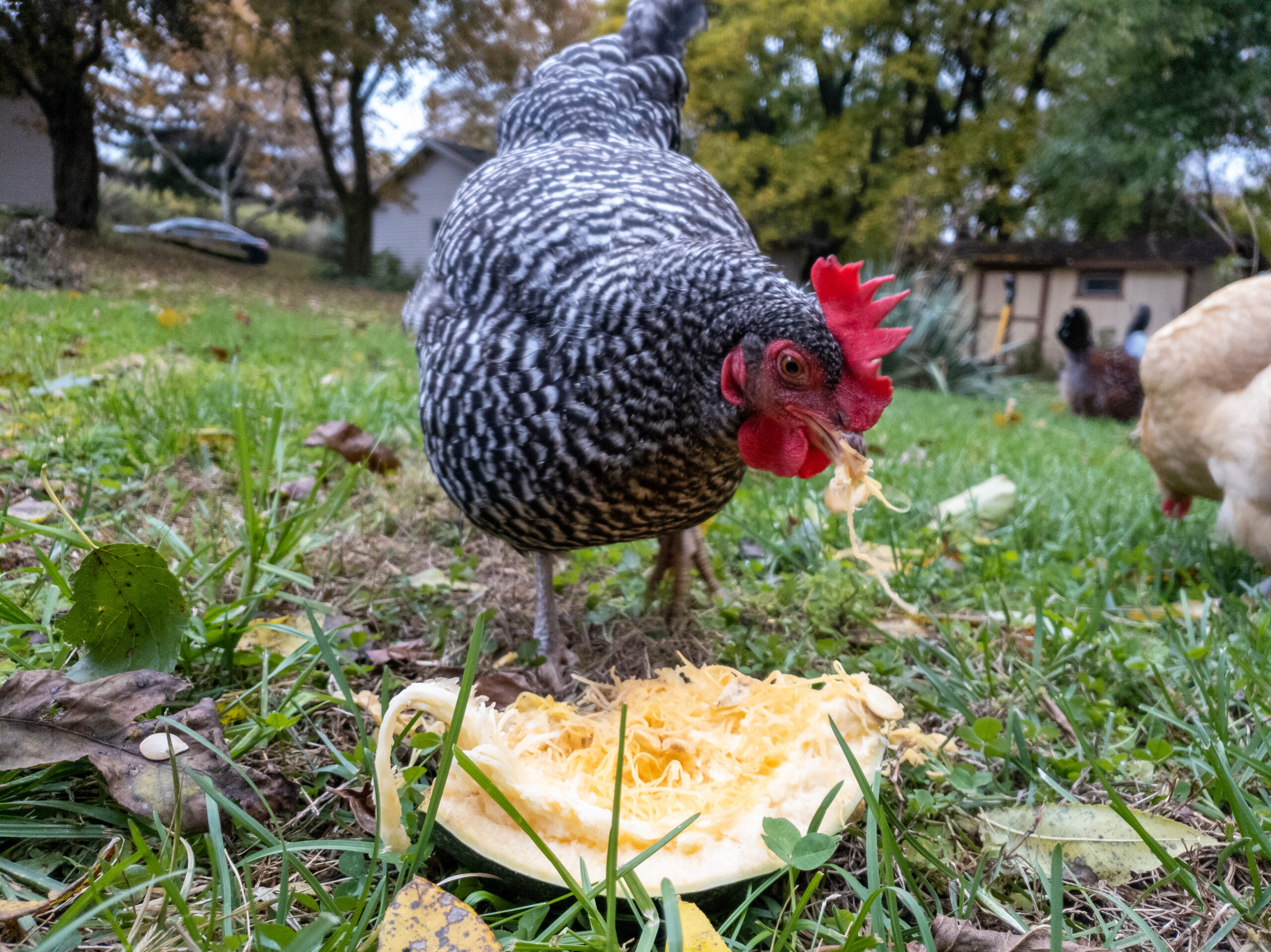
Raising chickens in the city is becoming more popular, as many city laws are changing to accommodate backyard flocks. While town chickens are growing in numbers, there are still several things to consider before bringing home some feathered friends to the city.
Key Takeaways
- Always check legality first before raising chickens in the city, including city ordinances and HOA rules, which may differ.
- Local regulations matter—permits, flock limits, setback requirements, and coop placement rules can all apply.
- Neighbor relations are critical in urban settings; discussing plans early helps avoid conflict later.
- City chickens should be confined to a secure coop and run to prevent nuisance issues and escapes.
- Breed choice matters—quieter, calmer breeds are better suited for dense neighborhoods than loud or highly active birds.
- Cleanliness and maintenance are essential to control odor, pests, and complaints.
- Roosters are typically prohibited in most cities due to noise restrictions.
- Urban flocks still face predators, so secure housing (hardware cloth, enclosed runs, and buried barriers) is necessary.
- Keeping good relationships pays off, and sharing eggs can help maintain neighbor goodwill.
- Urban chicken keeping is rewarding when done responsibly, providing fresh eggs and a sustainable backyard food source.
#1 Legal Requirements for Raising Chickens in the City
Before you can start raising chickens in the city, checking to see if owning them in your municipality is a must. Although city chickens are gaining more recognition, not all cities and towns allow backyard poultry within their limits.
Another thing to take into consideration is the local Homeowners Association (HOA). Just because chickens are allowed within the city limits does not mean that your local HOA will be on board.
#2 City Chicken Ordinances and Permits
When raising chickens in the city, ensuring they are legal is only the first step in the process. Next, you need to make sure you are up to date on all the regulations and rules involved with keeping chickens within the city limits.
Do you need a permit to own chickens? Is there a limit to how many chickens you are allowed to legally own? How far from the neighbor’s property do the coop and run need to be located?
Knowing the answers to these questions and abiding by all the laws and ordinances is the best way to be able to own chickens without having to worry about complaining neighbors or hefty fines.
#3 Talk to Your Neighbors Before Raising Chickens in the City
One of the downsides to raising chickens in the city is the close proximity of your neighbors. While some neighbors may be on board with the idea of you getting some chickens, others may be dead set against it.
Before acquiring chickens or setting up the coop, find out your neighbor’s opinion. Be sure to be honest with what they should expect. If your neighbors are on board, you can feel free to continue with your plan, but if not, it might be wise to forgo keeping city chickens for now.
#4 Why Free-Ranging Doesn’t Work in the City
When raising chickens in the city, it is best to put aside those lovely ideas of a picturesque free-ranging flock and keep your flock confined to a coop and run.
While your fenced-in yard may look like an ideal area for your flock to explore, chickens can fly, and it won’t be long before your hens are launching themselves over the fence into the neighbor’s manicured lawn, flower bed, or the city street.
Most neighbors aren’t fond of having to put up with your chickens in their yard, so play it safe and don’t allow your flock to free-range.
#5 Choosing the Right Chicken Coop for City Living
Another thing to take into consideration when raising chickens in the city is the coop. Cities usually limit the number of hens you can have, so selecting the perfect coop for your dream flock is usually straightforward.
However, the size, style, location, and exterior decor may matter, so before erecting the coop, be sure to check with the local city officials and HOA to ensure the coop meets all the requirements.
#6 Best Chicken Breeds for City Backyards
Selecting the best chicken breed(s) is an important choice for every chicken owner. But for those raising chickens in the city, the decision is even more critical. With neighbors close by, friendly, quiet breeds, such as Cochins, Golden Comets, Orpingtons, and Salmon Faverolles, are the best options for city living.
Avoid noisy, active breeds such as Anconas, Leghorns, Rhode Island Reds, and Speckled Sussex, as they are not suited for city life.
#7 Keeping a Clean and Presentable Urban Coop
Keeping up on appearances is the best way to keep your neighbors happy and “seal the deal” with neighbors who are skeptical about your feathered additions.
Maintaining the coop and run clean (including cleaning up tablescrapes, feed, eggs, etc.), landscaping the run, and removing soiled bedding to eliminate smell can go a long way to keeping your neighbors happy.
#8 Why Roosters Aren’t Allowed in City Flocks
When researching about raising chickens in the city, you have probably already learned that roosters in the city are a no-go. While this isn’t ideal for the flock enthusiasts, not owning a rooster can help resolve potential conflicts, such as when your neighbors are unable to sleep in, thanks to your crowing rooster.
#9 Protecting City Chickens from Urban Predators
One of the most common myths when raising chickens in the city is that predators aren’t a big threat in cities or towns. Just like their country cousins, though, city chickens face many predators, including birds of prey, bobcats, feral and domestic cats, coyotes, domestic dogs, foxes, opossums, raccoons, rats, skunks, and snakes.
To keep city chickens safe from predators, avoid free-ranging. House the flock is a completely predator-proofed coop and covered run (half-inch 16-gauge hardware cloth to cover the run) with a cement or wooden floor. Cover windows with half-inch hardware cloth to prevent predators from tearing window screens to access resting hens. Leave no gap larger than one-half inch anywhere in the coop or run. Attach half-inch 16-gauge wired predator skirts around the perimeter of the run and coop to prevent digging predators.
#10 The Rewards of Raising Chickens in the City
Congratulations! You’ve done your research to make sure everything is legal, made sure your neighbors are on board, and chosen the perfect chickens for your city flock. Now all that’s left to do is wait for the very first egg.
Whether you raise chickens in the city or in the country, collecting that very first egg is a rewarding experience. So why not share the experience with your neighbors?
Although you don’t have to take over your very first egg, sharing fresh eggs with the neighbors is a good way to sweeten the relationship and help ward off any ill feelings neighbors may be having towards your feathered friends.
Frequently Asked Questions
Are chickens legal in my city?
Check with your city to determine whether chickens are allowed, as regulations vary by municipality. Be sure to ask about permits, limits on flock size, and any applicable ordinances before getting started.
How much space do I need to raise chickens in the city?
Plan for at least 3–4 square feet of coop space per chicken. The run should provide a minimum of 10 square feet per hen, with more space recommended when possible.
How do I prevent odor in my coop?
Regular cleaning is the best way to control odor. Store feed in sealed metal containers, remove soiled bedding promptly, collect eggs daily, and ensure proper ventilation in the coop.
How do I talk to my neighbors about getting chickens?
Share your plans politely and be open to questions or concerns. Once your flock is established, offering fresh eggs can help build goodwill with neighbors.
How do I keep chickens safe from predators?
Use a fully secured coop and covered run made with half-inch hardware cloth. Ensure there are no gaps larger than one-half inch, and add buried or outward-extended barriers to prevent digging predators.
Raising Chickens in the City: Final Thoughts
Raising chickens in the city can be a rewarding experience when local laws are followed and proper care is taken. With the right setup and management, a backyard flock can provide fresh eggs and a more sustainable connection to your food supply, even in an urban environment.
This article about raising chickens in the city was written for Hobby Farms and Chickens magazines. Click here to subscribe.