Goat hoof trim is an essential skill for anyone raising goats, even though it’s a task that doesn’t need to be done every day. While feeding, watering and shelter are part of the daily routine, hoof care happens less often and can feel intimidating for beginners who are still building confidence with livestock chores.
Goat hoof trim practices help keep hooves properly shaped, prevent discomfort and reduce the risk of lameness or infection. Although many new goat owners initially rely on a knowledgeable neighbor or professional, learning how to trim a goat’s hoof yourself saves time and money while giving you greater independence in managing your herd. With the right tools and a step-by-step approach, most goat owners can master this important aspect of goat care.
Why Hoof Trimming Matters
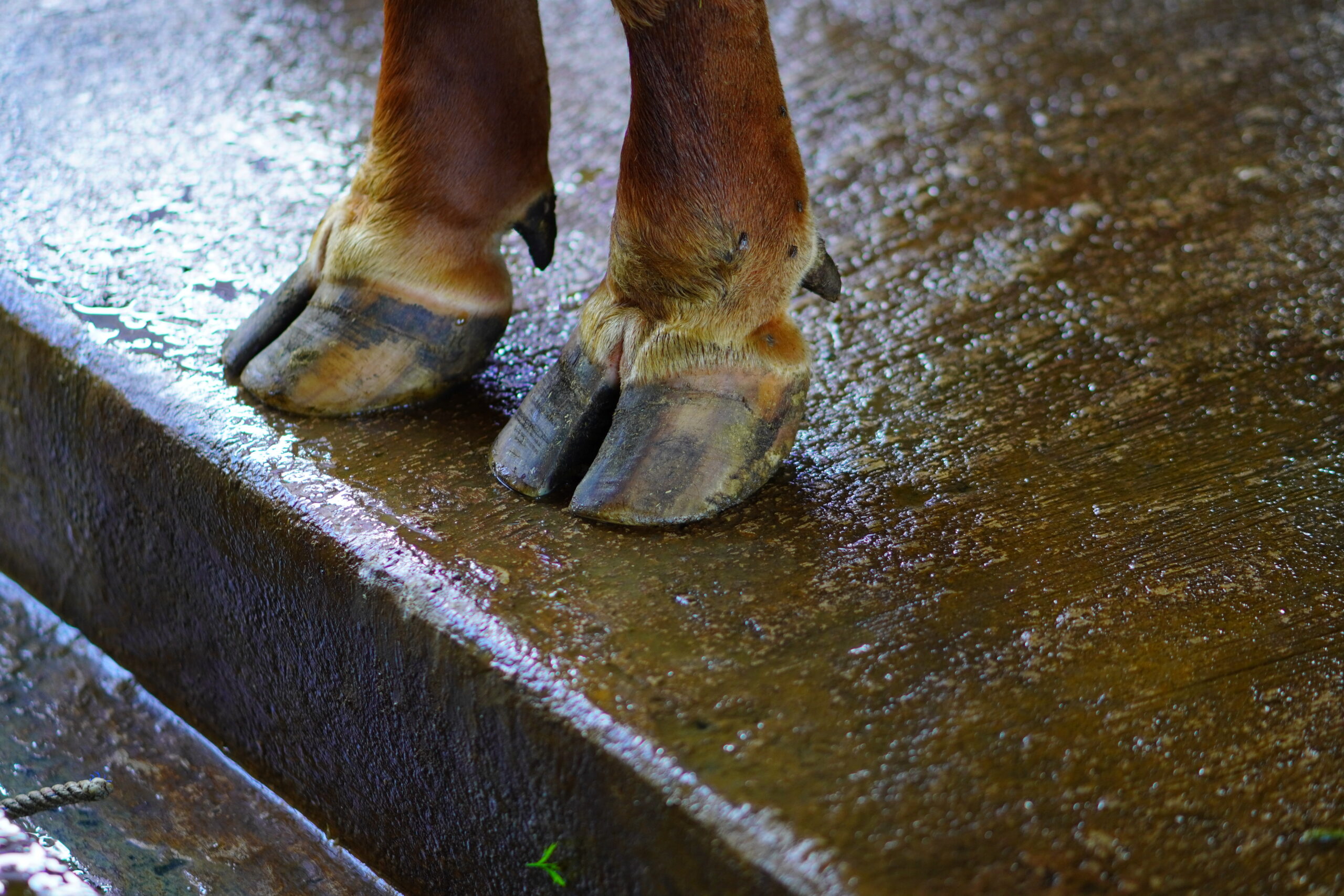
Left untrimmed, the hoof walls (the sides of the hoof) have a tendency to grow long and then fold over on themselves. Eventually, this can become uncomfortable for the goat and can even cause lameness or a deformity of the pasterns if left unchecked.
Regular trimming prevents this and keeps the hoof at the correct angle. It’s also a chance to clean the hoof thoroughly and perform a visual inspection for any health issues such as abscesses or hoof rot.
How Often Goats Need Their Hooves Trimmed
Plan on evaluating your goat’s hooves about every two months. Some goats raised on grassy pastures or that spend time in soft stall bedding, may need a trim that often. Other goats may naturally wear down the hoof walls if they have access to rocks or sand outdoors.
In these cases, it may be possible to stretch out the trimming intervals to several months, but you probably wouldn’t want to trim less than three times a year. The length of time between trims also depends on the breed, as some grow slower than others.
Tools You’ll Need Before You Start
- Goat Stand
- Foot-Rot Shears
- Hoof Pick
- Blood Stop Powder (precautionary)
Optional Tools
- Hoof Rasp
- Electric Hoof Grinder
Step 1: Position Your Goat Securely for a Goat Hoof Trim
The job of performing the hoof trim will be a lot easier on your back if you raise your goat up on a milking stand or similar structure (some use chutes). The stand also offers a way to secure your animal so they stay in position.

Some goats particularly dislike having their rear legs handled. A restraint, along with a tasty snack as a distraction, will go a long way towards making the task more enjoyable for both of you.
Step 2: Clean the Hoof Thoroughly
Start by using the hoof pick to clean out any old bedding or dried manure in and around the toes. A pick with a brush on one end can be helpful here. Some people remove the debris with the tip of closed shears.
If the goat’s hooves are particularly in need of a trim, you might need to pry the hoof walls apart with the shears and trim a bit first to get enough room to access with the hoof pick.
Step 3: Trim the Hoof Walls
Next, carefully trim away at the sides of each toe, called the hoof walls. Many goat owners prefer a simple tool known as foot rot shears, which are similar to pruning shears but designed specifically to give a goat or sheep hoof a trim.

You’re looking to take small pieces, slowly lowering the hoof walls down until they are more or less flush with the sole of the foot (the softer, fleshier portion). You’ll need to take care never to trim too low, as this is where you can accidentally create bleeding (just like trimming a dog’s toenails). You may also need to shorten the tips of the toes.
Step 4: Level the Heel
Now examine the heel—the area where the toes connect at the back of the hoof—and trim that as well until the entire hoof is basically flush with the sole. The aim is to create a basically flat surface across the entire bottom of the hoof. Take small pieces, and take your time.
Step 5: Use the Coronary Band as a Guide
During the trimming process, you’ll want to try to achieve a proper angle on your goat’s hoof relative to the ground. The hoof’s coronary band is a good guide for this. It’s located right at the top of the hoof, where it starts to transition into fur.
Ideally, this band should be parallel to the ground. So as you’re working, try to match your trims to the band.
Step 6: Smooth with a Rasp
Once you have the excess trimmed away and the hoof angle is satisfactorily matching the coronary band, you can finish off the job with a few strokes of the hoof rasp.

Step 7: Avoid Trimming Too Deep
As you trim, you’ll notice the newly-exposed areas of the hoof walls and sole turning from gray to white to pink. White is okay, but if you start reaching any pink, that’s a definite warning sign that you’re about to reach blood flow. Stop right there!
If you do ever nick a bit too far, apply your blood stop powder and perhaps some pressure to halt the bleeding.
Step 8: Trim the Dew Claws
Older goats may need the dew claws trimmed a bit. This could be done either with the shears or a rasp. Take small pieces here as well, as you can accidentally cause bleeding with the dew claws, too.
Using a Grinder for a Tough Goat Hoof Trim
Particularly tough hooves or those that have gone a while without seeing a trim might benefit from a grinder. The process is essentially the same except that you’ll carefully grind down the hoof walls and heel until they are flush with the sole.
If a goat has gone a long time between trims, you may need to break the hoof trim job into several shorter sessions.
Goat hoof trimming is a job that will become easier with practice. Once you have a few trims under your belt, you’ll have the confidence to keep your entire goat herd looking—and feeling—great!
Moisture, Weather, and Hoof Health
It’s beneficial to stay on top of goat hoof trimming when conditions are particularly moist, such as in the spring or fall. When hooves are subjected to prolonged exposure to mud and wet soil, certain issues, such as hoof rot or hoof scal,d are more likely to develop due to the moisture providing bacteria with an opportunity to thrive. The good news is that the hooves will be easier to maintain during these periods, as a hoof with a high moisture exposure is naturally softer and easier to trim.
If you need to trim goat hooves during periods of dry weather, you might find that the hooves can be quite hard, brittle, and challenging to cut through. This might be a good time to experiment with a grinder, or you could alternatively allow your goats access to wet ground for a couple of hours prior to trimming to help soften the hoof.
The best time to trim hooves is immediately after a rain or a heavy dew, because the hoof wall will be much softer and easier to cut.
Encouraging Natural Hoof Wear
As mentioned, goats raised in naturally rocky or sandy environments may not need to be trimmed as frequently. The abrasive qualities of the ground will help keep the hoof walls worn down. But if your goats enjoy play structures, you can simulate the effects of rocky ground by installing simple asphalt shingles on the steps and surfaces of the playground.
Asphalt shingles provide a nonslip surface for the goats’ safety, and the coarse face of the shingles will help file down hooves. You might be able to extend the time needed between trims this way, but it’s obviously no substitute for regular hoof trimming.
Learning More Through Visual Guides
A goat-knowledgeable friend or mentor can offer great advice, but not everyone has one nearby! Luckily, there are plenty of YouTube or Extension office videos online that you can watch over and over again to get an even better handle on the process. You can even keep one handy on your phone in the barn to reference while you’re trimming.
This article about how to perform a goat hoof trim was written for Hobby Farms magazine. Click here to subscribe.