Rodent control becomes an important topic as winter approaches. Late fall is the time of year when mice, squirrels, voles, rats and chipmunks are trying to find a warm place for winter, and your farm buildings make an attractive target.
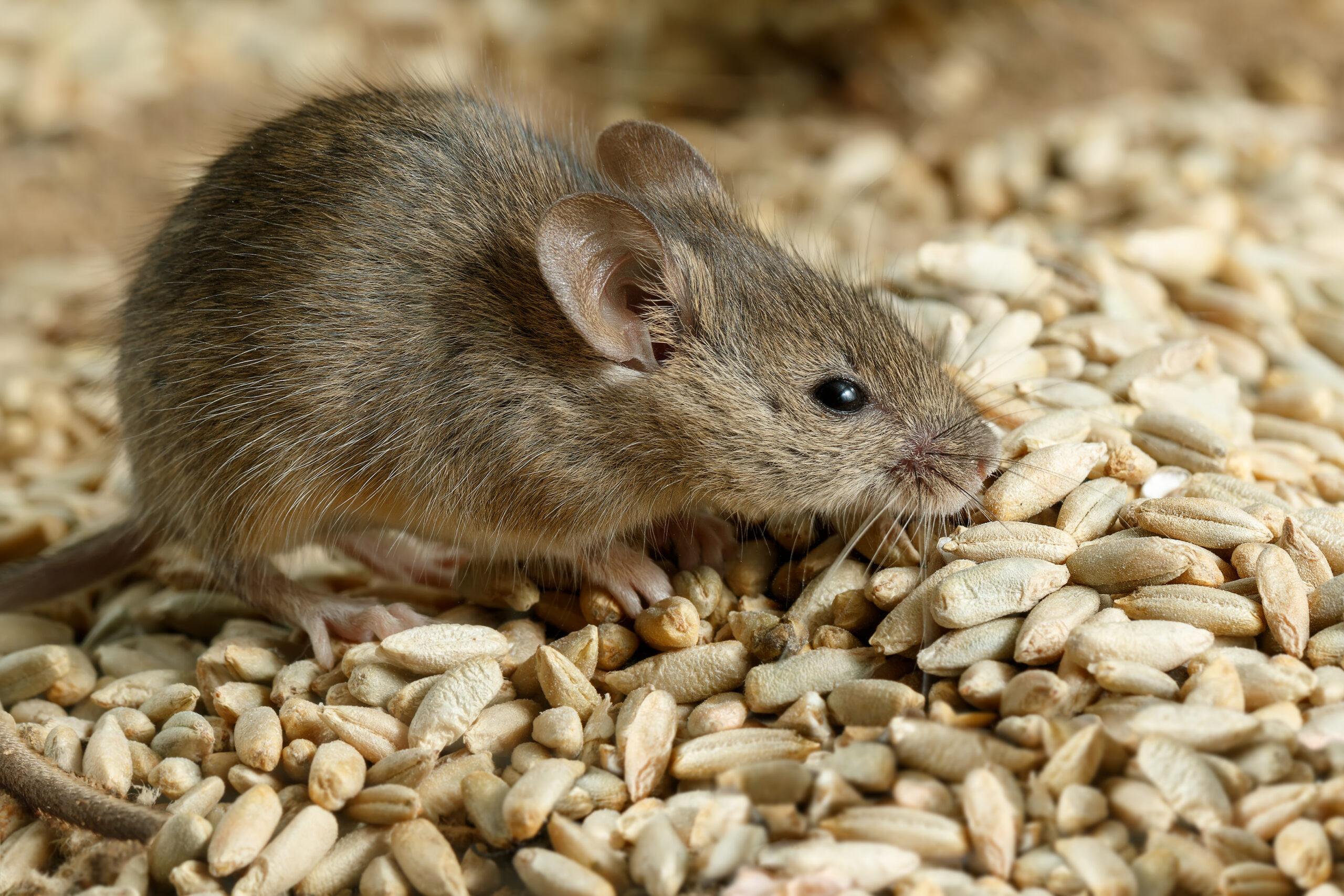
It’s easy to see why. Barns, sheds, stables, and pole buildings are generally not as well sealed off for rodent prevention—at least, not typically to the extent of a home. So there are more potential cracks, crevices, vents, and open barn door seals for rodents to access. Barns are also full of things that rodents seek out—feed, corn, oats as a food source (either spilled or contained), as well as bedding possibilities like hay, straw, and wood shavings. Finally, the warmth and dryness of these buildings is a big draw.
All of this can actually help you prepare and guard your buildings to help keep rodents outside as much as possible. By anticipating rodent habits, you can make it more difficult for them to move in and cause winter damage. Here are four ways to increase your rodent control on the farm.
1. Trap Mice and Rats Before They Settle In
This isn’t everybody’s favorite job, but setting basic mouse or rat traps in your farm buildings—and checking and resetting them regularly—can actually play a big role in controlling rodents. It doesn’t have to be elaborate. Simply a spoonful of peanut butter on a spring trap placed by a doorway makes a surprisingly effective and low-cost option. Make sure the traps are inaccessible to pets like dogs or cats, and ideally keep them out of the range of non-target animals like birds. If you’re consistent and maintain the traps for several weeks during the fall, you should be able to reduce pest numbers.
2. Rodent Control to Keep Feed Safe from Intruders
There are two elements at play here—protecting your animal feed so that it can’t be contaminated by rodents, and by doing so, you eliminate the attractant for better rodent control. Consider storing feed in airtight containers like galvanized trash cans or food-grade plastic/rubber containers. If these containers can also be in a rodent-proof shed or tack room, even better. Farms with higher feed needs may construct larger, custom, self-contained feeding systems that are efficient and rodent-proof. After this, general tidiness can go a long way towards keeping rodents away. Sweep up spilled feed right away.
3. Winter-Proof Your Barn and Outbuildings
This isn’t always possible—think of something like a three-sided animal shelter or hay storage—but some buildings can definitely benefit from additional winter sealing. This could range from tiny improvements—even worn weather sealing around doors and windows can be an open invitation to critters—to addressing larger issues like literal holes around wall joints, soffit, and siding. An arsenal of caulk, trim, screen, hardware cloth, and similar tools can be used to prevent access through a variety of small spaces.
4. Clear Hiding Spots to Discourage Rodents
Rodents are cautious and reluctant to ever dash across large regions of open space. They want to stealthily creep from one hiding location to another as they seek food and shelter. Rodent control means making your farmyard and your buildings much less attractive to rodents by keeping things clean. Avoid leaving that pile of pallets outside long-term. Try to clean up loose piles of hay, straw, leaves, and similar debris before it creates trouble. Keep the interior walls of your barn clear, so rodents can’t use the edges of the room to creep about.
Rodent Control: Final Thoughts
By taking these steps now—setting traps, protecting feed, securing buildings, and removing rodent hideouts—you can make your farm much less inviting to winter pests. A little preparation in the fall goes a long way toward preventing damage, protecting your feed, and keeping your barns and outbuildings safe all season long. Staying consistent and proactive is the key to keeping rodents outside where they belong.
This article about rodent control in the fall was written for Hobby Farms magazine. Click here to subscribe.