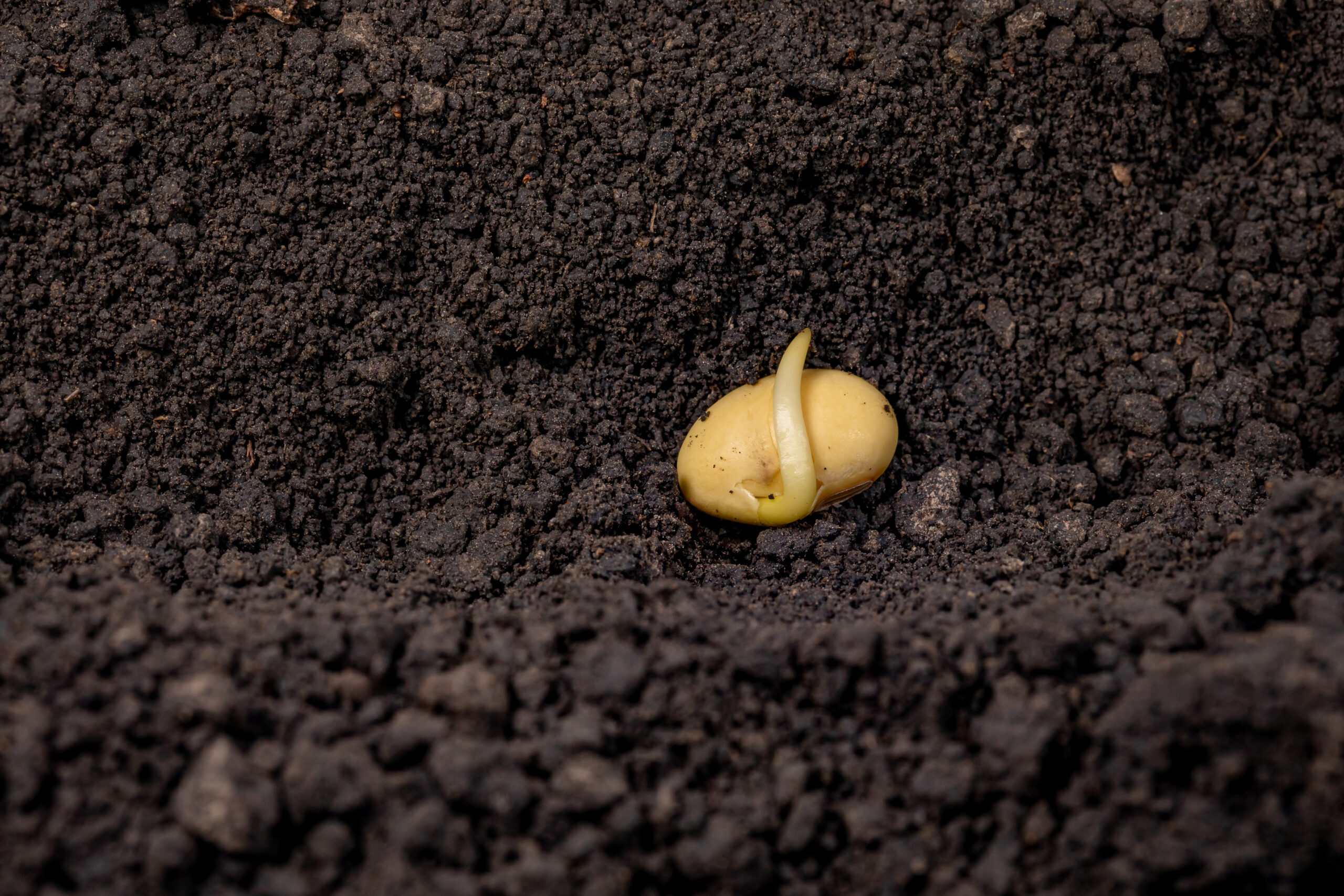
Parts of a seed may seem simple from the outside, but inside every seed is a remarkable package containing everything a new plant needs to begin life. Understanding the parts can help gardeners improve germination, plant seeds correctly and better appreciate the incredible biology behind every vegetable, flower and tree they grow.
Parts of a Seed: Key Takeaways
- Every seed contains a miniature plant called an embryo.
- The main parts of a seed include the seed coat, endosperm, cotyledons, radicle and epicotyl.
- Stored food inside the seed fuels growth until the seedling can photosynthesize.
- The radicle becomes the plant’s first root, while the cotyledons become the first leaves.
- Understanding seed anatomy can help gardeners improve planting depth and germination success.
When you think about it, a seed has a huge job to do. Once it falls from its parent plant or is swept away by the wind, it must be 100% self-sufficient for a time. It must protect itself from the environment, maintain an energy source so that it can perform its initial growth, monitor temperature and moisture levels, and recognize sunlight so that it can gauge the correct time to sprout.
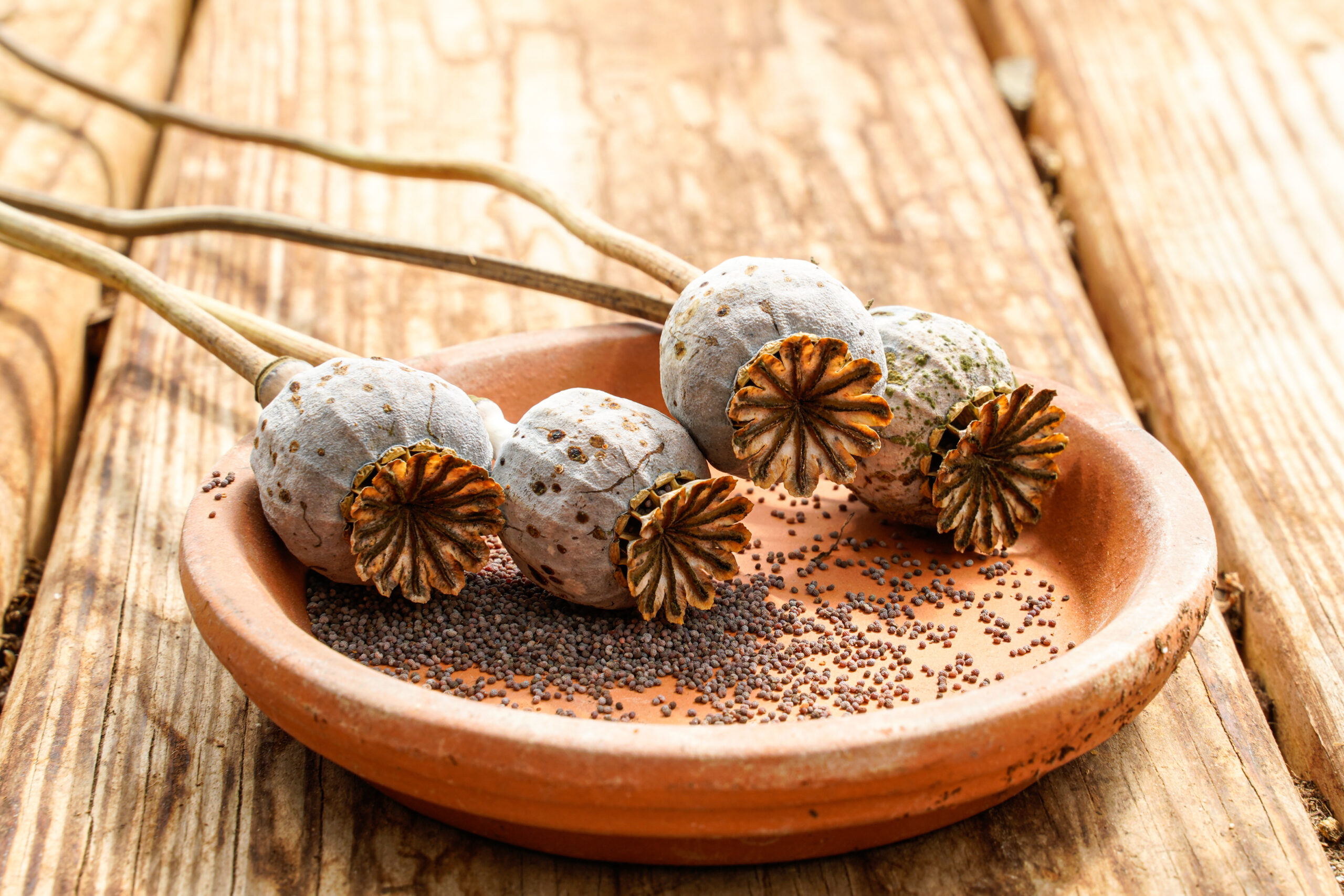
nareekarn/Adobe Stock
Seed Coat: The Protective Outer Layer
The seed coat is the seed’s first line of defense. This tough outer covering protects the delicate embryo inside from physical damage, disease and drying out while the seed waits for the right conditions to grow. Depending on the plant species, seed coats can be thin and papery or thick and extremely hard.
The seed coat also helps regulate when germination begins. Before a seed can sprout, it must absorb enough water through the seed coat to activate the biological processes that start growth. In some plants, such as peas, morning glories and many wildflowers, the seed coat is especially tough. Gardeners sometimes speed germination by lightly scratching or nicking the seed coat—a process called scarification—to help moisture reach the embryo more quickly.
Endosperm: The Seed’s Energy Source
The seed’s energy source is critical. It must be able to power all of the seed’s biological activity until the seed can sprout, develop leaves, and begin photosynthesizing its own sugar energy from sunlight. Seeds contain a small but crucial supply of starch, called endosperm, which can be converted into sugar for energy. Even in large seeds, the supply of starch is limited, which is why proper planting depth of your seeds is so important—you don’t want your seeds using up all their precious store of starch before they break through to the surface. Think of the endosperm as not unlike a battery—it has a finite reserve of energy. Some seed species store energy in the embryonic leaves—but it initially came from the endosperm.
Radicle: The Embryonic Root
If you’ve ever disturbed a germinating seed, or maybe picked up a loose acorn on the ground, you might have noticed how the seed’s tiny root structure breaks through first. The embryonic root is called the radicle, and it has the ability to sense which way is down, so that it can rapidly secure the seedling-to-be in the soil and find water. The radicle can do this because it has the amazing ability to sense gravity—to know which direction down is. At the tip of the radicle are statoliths, which are denser than the surrounding root tissue, so they “sink” towards the local direction of “down” and cue the seedling about direction.
Cotyledons and Epicotyl: The Stem and Leaves in a Seed
If you garden, you’ve seen how something like a recently germinated squash seedling initially grows a pair of tiny leaves—tiny leaves that look nothing like the plant’s later signature-shaped leaves. These embryonic leaves actually exist inside the seed and are folded up tightly. They’re known as cotyledons, and their purpose is to break through the seed wall, then quickly unfold and begin photosynthesizing sugars for energy—important indeed, because the starch energy from the endosperm is either exhausted or nearly so by this point. There is also a tiny stem structure called the epicotyl. In some seeds, the cotyledons double as energy storage.
Frequently Asked Questions about Seeds
What are the five main parts of a seed?
The five primary parts are the seed coat, endosperm, cotyledons, radicle (embryonic root) and epicotyl (embryonic stem). Together they protect the embryo, provide stored energy and allow the seed to grow into a seedling.
What is the seed coat?
The seed coat is the tough outer covering that protects the developing embryo from drying out, physical damage and disease while the seed is dormant.
Why is the endosperm important?
The endosperm stores starch and nutrients that fuel germination before the seedling produces enough leaves to make its own food through photosynthesis.
Do all seeds have two cotyledons?
No. Plants are divided into monocots and dicots. Monocots, such as corn and grasses, have one cotyledon, while dicots, including beans, peas and squash, have two.
Which part of a seed emerges first?
The radicle, or embryonic root, is the first structure to emerge during germination. It anchors the seedling and begins absorbing water and nutrients from the soil.
What is seed scarification?
Some seeds like peas or squash benefit from gentle scratching—perhaps with sandpaper—prior to planting. The reason is that some seeds have thick, durable outer coatings to protect the seed, but these can slow germination times.
Can the seed recognize light?
It can. Photoreceptors—special light-sensitive proteins—in the seed can detect sunlight direction and intensity. They can even judge if the seed seems to be in the shade or not. All of this helps the seed time germination for best success.
What happens after germination?
Technically speaking, germination begins when the radicle (root) pops out of the seed. But in casual garden conversation, we usually take germination to mean the moment that the cotyledons (first leaves) appear through the soil. Either way, after germination, the goal of the seed is to get its first leaves in the sunlight and its first roots in the soil, so it can transition into a self-sustaining plant.
Final Thoughts
Every seed contains an amazingly complete blueprint for a new plant. From its protective seed coat to its stored food and tiny embryonic leaves and roots, each part plays an essential role in successful germination. The next time you plant beans, tomatoes or flowers, you’ll know that every seed already contains the beginnings of an entirely new plant—just waiting for the right combination of moisture, warmth and light.
Enjoy learning about gardening, plants and the science behind growing? This article was written for Hobby Farms magazine. Subscribe today for expert gardening tips, homesteading advice and inspiring stories delivered year-round.