Goat health checkup routines are essential for catching injuries, parasites, and disease early. From ears to hooves, a full at-home physical exam helps you monitor herd health and keep goats calm, comfortable, and thriving. Learn how to safely perform a complete head-to-tail check on your goats.
Key Takeaways
- A goat health checkup should be performed regularly to catch illness and injury early.
- Calm handling and proper restraint are essential for accurate results.
- Eyes (FAMACHA), gums, and coat condition are key indicators of overall health.
- Normal vital signs include a temperature of 101.5°F–103.5°F, heart rate of 70–90 bpm, and 12–20 breaths per minute.
- Rumen movement should occur about 1–2 times per minute and indicates proper digestion.
- Hoof checks help prevent overgrowth and detect hoof rot early.
- Daily observation of herd behavior is just as important as formal exams.
Before You Start a Goat Health Checkup
Before you begin a goat health checkup, there are several things you need. The first is a way to restrain the goat during the exam. There are three ways to restrain a goat; a stanchion, pen, or lead.
No matter which restraining option you use, unless working with an extremely well behaved goat, having an assistant to help will make the job easier.
Having a livestock thermometer and stethoscope on hand will make it easier to ensure your goat is in good health.
Staying Calm
In order to get accurate results during a goat health checkup, it is vital to keep the goat you are examining calm and relaxed. Speak to your goat in a gentle, relaxed voice to soothe them.
Playing music quietly in the background can help some goats to relax, or if your goat enjoys the sound of your voice, try singing to keep them calm.
Checking the Ears
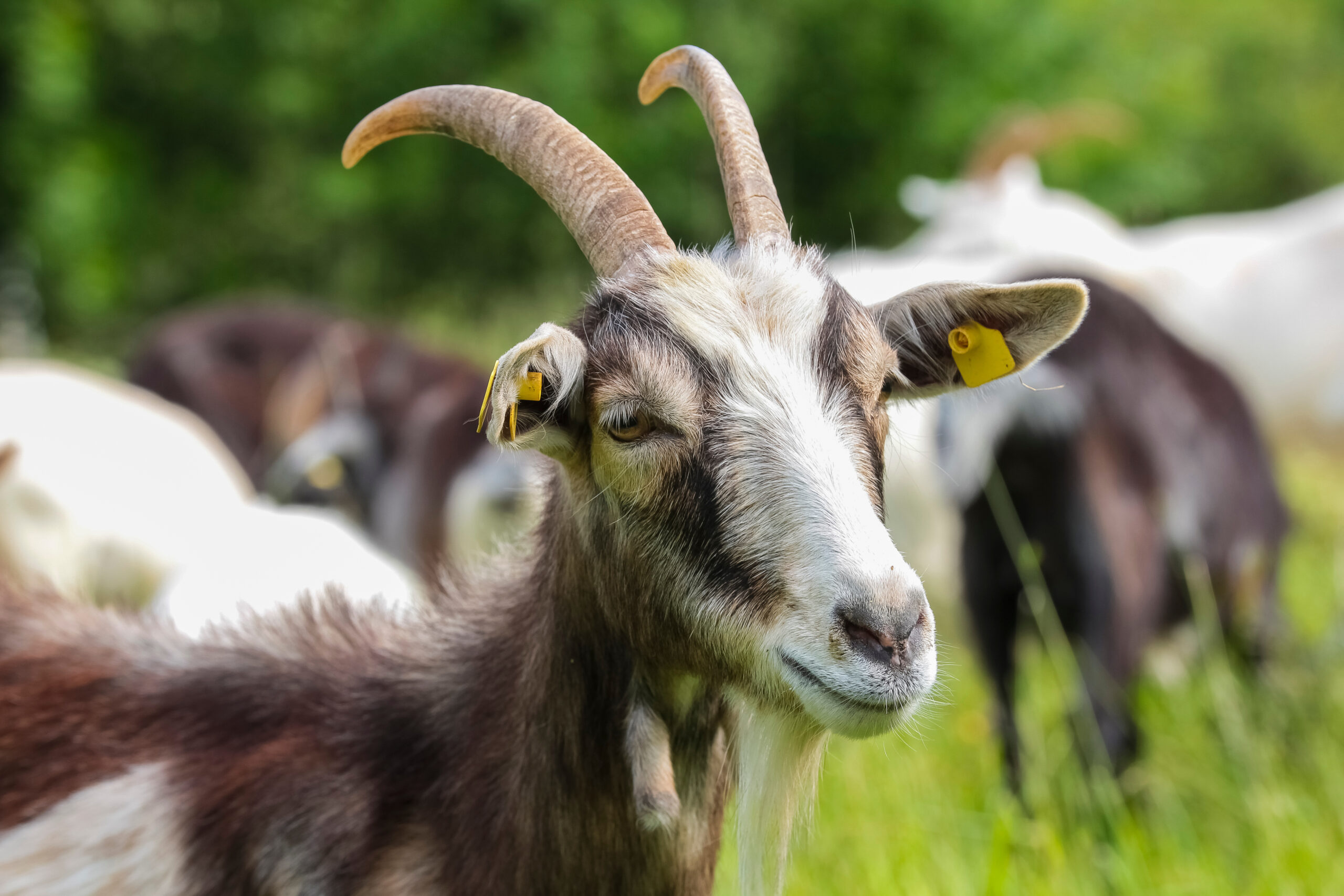
A goat’s ears can tell you a lot about how that individual is feeling and is not something you want to overlook when performing your routine goat health checkup.
Ears can and should be visually checked by the owner on a regular basis. When examining your goat’s ears look for external parasites, sunburn, lesions, frostbite, foreign bodies lodged in the ear, and infection.
If a goat appears to be having discomfort or a strange odor is coming from the ear, a qualified veterinarian should be called for treatment.
Eyes (FAMACHA Check for Anemia)
A goat’s eyes should be bright and alert, not dull or listless. Goat eyes are a great way to judge their health and body condition as a whole, but they especially help determine whether a goat is anemic.
Check your goat’s eyes using the FAMACHA system. (A system used to diagnose anemia in sheep and goats.) Restrain the goat, before gently pulling down the lower eyelid. In a firm but gentle manner, press on the eyeball to make the tissue more visible. Use the FAMACHA comparison card to see if your herd is suffering from anemia.
Examining the Mouth and Nose
Examining the nose is one of the easiest parts of performing a routine goat health checkup. A goat’s nose should be clear or have only clear discharge. Thick or colored discharge is often caused by an infection, so if you see any unusual discharge, it’s time to call a vet.
Examine the lips, mouth, and gums for signs of sores. If sores are found, contact your local vet to see what should be done to help your goat recover.
Be sure to also check for pink, healthy gums and lips. If the mouth is pale, or if there is fluid buildup in the jaw a goat should be immediately checked for internal parasites.
Coat and Skin Condition
The coat is another easy way to spot a potential problem. When examining a goat’s coat, look for signs of hair loss, dry skin, sores, flaking skin, and external parasites.
The Rumen
During a goat health checkup, it is important to check the rumen (the largest of a goat’s four stomachs). The rumen helps to break down the hay and other feed a goat consumes and is the start of the fermentation process. The rumen is also where vital digestive enzymes are added.
To examine the rumen, place a hand on the left flank of the goat. Press your hand gently around the flank until you feel the churning movement of the rumen. Contractions should take place one to two times per minute. If a stethoscope is available, place it on the rumen. If you hear sounds similar to a rumbling human stomach, it means your goat’s rumen is healthy and working properly.
If there is no movement in the rumen and goats are not being observed chewing their cuds, calling a veterinarian is advised.
Temperature, Heart Rate, and Respiration
During routine goat health checkups, it’s a good idea to take each herd member’s temperature. Use a lubricated, digital thermometer for easy reading and accuracy.
Gently insert the thermometer into the goat’s rectum for three minutes. When pulled out, the temperature should read between 101.5°F. to 103.5°F. If temperatures are higher or lower than normal readings, contact your goat’s vet.
Next, place your hand or stethoscope on the left side of a goat’s chest, located behind the elbow. A goat’s heart should beat approximately seventy to ninety beats per minute (more if the goat is stressed).
A healthy goat should take between twelve and twenty breaths per minute (more if the goat is stressed or becomes spooked). A goat’s chest will rise and fall as it breathes, making it easy to count how many breaths your goat is taking per minute.
If a goat is having a reduced or extreme increase in heartbeats and breaths per minute, call your vet right away.
Legs and Hooves
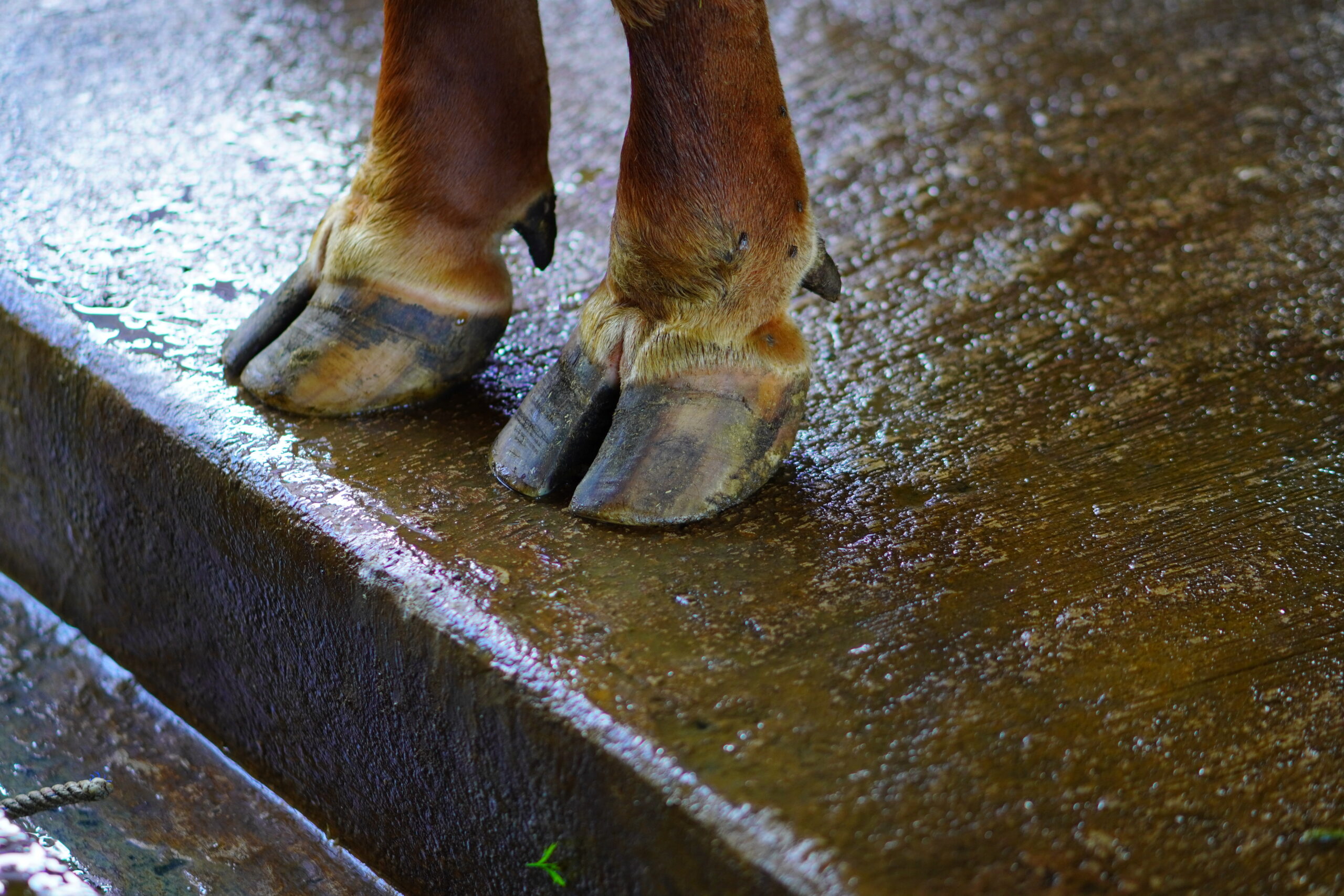
Hooves should be examined at least once a month during the monthly goat health checkup to ensure they are not becoming overgrown. To examine the hooves, gently pick each foot up, checking to ensure in between the “toes” are clean and that they are not overgrown. Routinely trim hooves as needed to prevent overgrowth.
Check in between the goat’s “toes” for blisters or a foul-smelling odor. If either of these symptoms are present, it’s likely your goat has hoof rot.
Legs should be examined by running your hand gently down each of your goat’s four legs, checking for swelling, discomfort, or cuts.
The Tail and Rectum
Checking the tail and rectum area should be a part of your daily routine not just during the monthly goat health checkup. These areas should be checked to ensure they are staying clean, free of flies, and that the goat is not becoming soiled by manure.
Observing Your Herd
Spending time each day observing your herd is one of the best ways to spot problems quickly and alert you if one or more of the herd is off. Taking five minutes a day can be the difference between life and death, as health problems can arise suddenly and quickly turn deadly.
Frequently Asked Questions
How often should I perform a goat health checkup?
A full physical exam should be done monthly, but daily observation of your herd is strongly recommended.
What is the FAMACHA system used for?
It is used to assess anemia in goats and sheep by examining eyelid color.
What temperature is normal for a goat?
Normal body temperature ranges from 101.5°F to 103.5°F.
How do I know if my goat’s rumen is healthy?
You should feel or hear rumen contractions about 1–2 times per minute on the left side of the goat.
What are signs of hoof problems?
Overgrowth, foul odor, limping, or moisture between the toes may indicate hoof rot or infection.
When should I call a vet during a goat health checkup?
Call a veterinarian if you notice abnormal vitals, persistent discharge, rumen inactivity, or signs of systemic illness.
Goat Health Checkup Conclusion
A consistent goat health checkup routine is one of the most effective tools for maintaining herd health and preventing serious illness. By checking key body systems—from eyes and rumen function to hooves and vital signs—you can detect issues early and respond quickly. Over time, these regular exams also help you better understand each goat’s normal behavior and condition, making abnormalities easier to spot.
Enjoyed this article? Subscribe to Hobby Farms for more practical livestock care, homesteading tips, and hands-on guidance for your farm and animals.