Ask backyard flock owners why they started raising chickens, and they’ll probably mention eggs. Ask them why they keep doing it, and you’ll hear a very different answer.
Most people don’t bring home their first chicks because they’re looking for new pets. They’re looking for fresh eggs. A little more self-sufficiency. A backyard hobby. Maybe a chance to know where their food comes from.
Then something unexpected happens: The chickens get names.
You start recognizing their personalities. You worry about them during storms. You celebrate the first egg. Before long, they’re no longer just chickens in the backyard; they’re part of your daily routine and part of your family.
That’s a story many backyard flock owners know well.
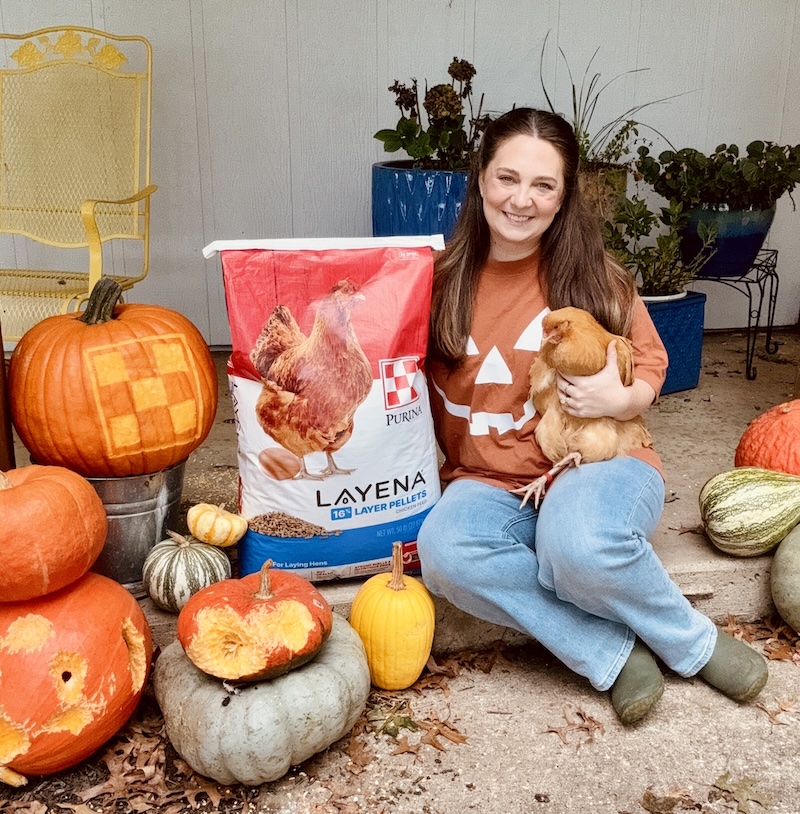 It starts with eggs but quickly becomes something more.
For Arkansas hobby farmer and Purina Ambassador Shelby Diebold of @VineyGroveGoats, chickens began as a practical addition to the farm.
“I wanted my own eggs,” she says.
Somewhere along the way, the experience became about much more than what showed up in the nesting box. Today, one of Shelby’s favorite parts of chicken keeping happens during the quiet moments. She and her husband often sit outside together, coffee in hand, simply watching the flock go about their day.
“They’re so cute to watch,” she says. “We just sit and enjoy watching them run around.”
The chickens have become part of the rhythm of life on their property. What started as a way to bring fresh eggs home has become a source of enjoyment, connection and daily entertainment.
If you’ve spent much time around chickens, that probably sounds familiar. They greet you at the gate. Follow you around the yard. Compete for treats. Announce every egg with dramatic enthusiasm.
They have personalities. And once you start noticing them, it’s hard not to become invested.
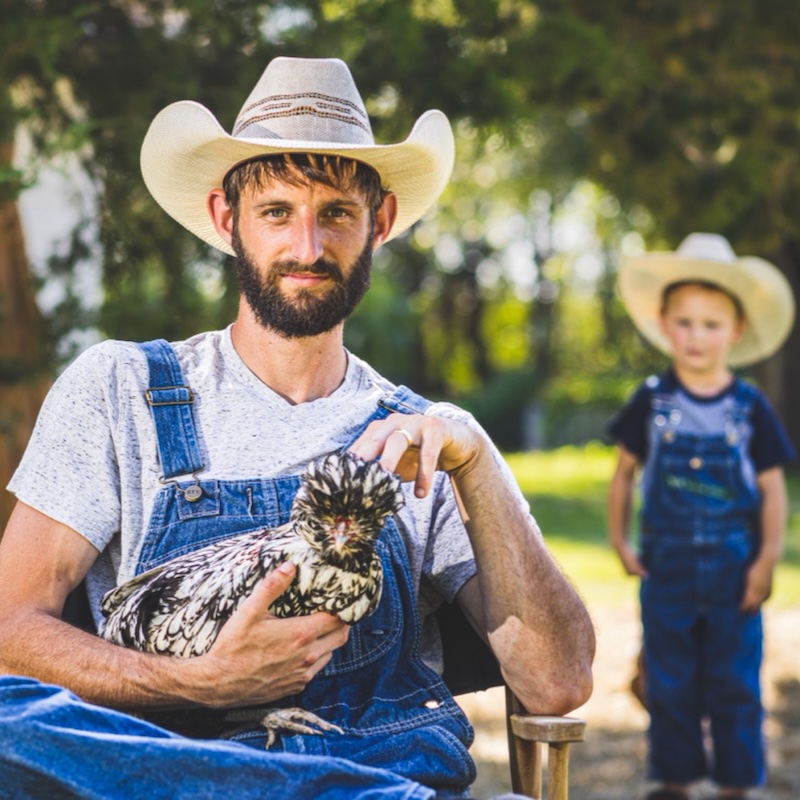 Caring becomes part of the routine.
One thing animal people understand is caring for animals isn’t usually about big moments. It’s about showing up every day. For Nebraska homesteader and Purina Ambassador Noah Young of @TheShilohFarm, some of the most important parts of caring for a flock don’t look exciting from the outside.
It’s checking the water. Refilling feeders. Collecting eggs. Taking a few moments to observe the flock.
“There’s so much about the power of just taking a simple moment to check in and be in tune with your flock,” Young says.
Those daily habits are part of what makes flock ownership rewarding.
When you care about your birds, paying attention doesn’t feel like another task on the to-do list. It becomes second nature.
You notice when a hen isn’t acting like herself, changes in the weather that might affect the flock and you learn what “normal” looks like for your birds.
“You’re able to pick up on those small details,” Young says.
Over time, confidence grows alongside experience.
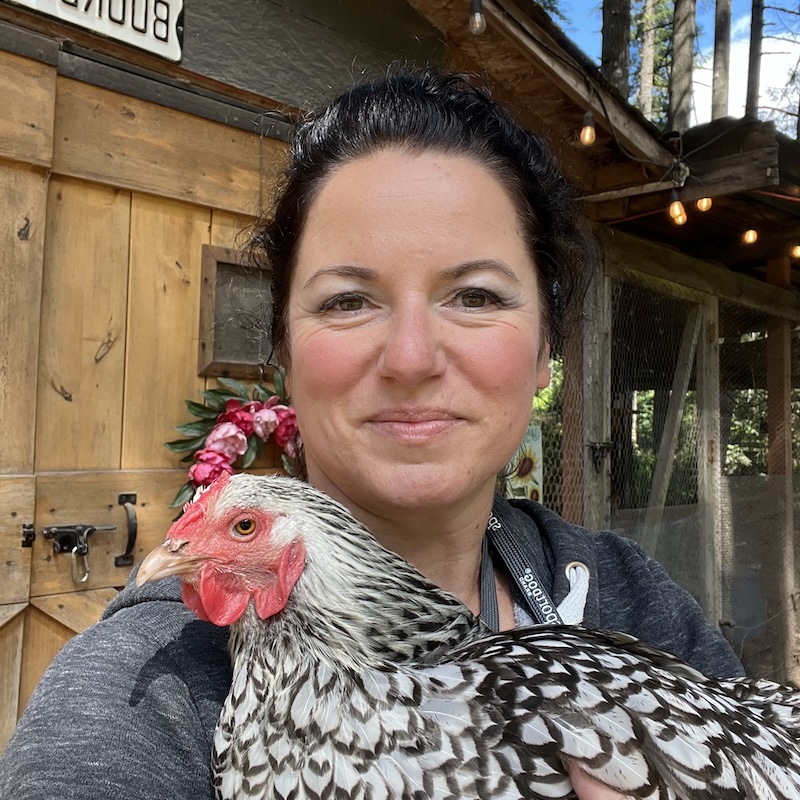 Nobody starts as an expert.
Ask experienced flock owners about their first years, and you’ll hear plenty of stories about mistakes.
Washington flock owner and Purina Ambassador Tami Mullin of @RustyMooseFarm remembers what it felt like to bring chickens home for the first time. Like many new flock owners, she had questions. Lots of them.
What should they eat? How much space do they need? What happens when the seasons change?
Years later, after growing her flock and helping countless others learn about chicken keeping, she knows something many beginners don’t realize: You don’t need to know everything on day one. You just need to keep learning.
Every season teaches something new. Every flock is a little different. The best chicken keepers aren’t the ones who never make mistakes; they’re the ones who care enough to keep paying attention and keep improving, because that’s what animal people do.
Nutrition as an act of care
Caring for chickens isn’t just about collecting eggs or cleaning the coop. It’s found in the small decisions made every day. The fresh water bucket filled before work. The extra bedding before a cold snap. The quick head count before sunset.
Nutrition is part of that care, and it can be overwhelming to look at the feed aisle and decide what to feed your feathery family members as they grow.
As chicks grow into laying hens, their nutritional needs change. A stage-based feeding system like Purina® Farm to Flock® helps flock owners provide nutrition designed for each phase of life, making it easier to care for birds from the day they arrive home through their first eggs and beyond.
Every bag of Purina® Farm to Flock® 18% Layer Hen Food delivers high-quality nutrition specifically designed for your birds’ specific life stage, because when you care about your flock, feeding them isn’t just another task. It’s one more way to help them thrive, and you want to be sure the food you choose checks all the boxes.
The best part isn’t always the eggs
Somewhere between the first peep, the first egg and the countless trips to the coop, your chickens become part of the family, and caring for them becomes one of the best parts of the day.
Only the best for your flock! Go to purinamills.com to find out which feed is right for your flock and try it out for yourself.