Fair season is approaching, and whether you’re planning to exhibit livestock, poultry, produce, flowers or handmade projects, a little preparation can make the experience more enjoyable. Whether you’re headed to a county fair or working toward a state fair, this checklist highlights important tasks to tackle before the big day.
Key Takeaways
- Preparing for the fair starts with planning. Review entry rules, deadlines and judging requirements well before fair day to avoid last-minute surprises.
- Present your best work. Whether you’re exhibiting livestock, poultry, produce, flowers or handmade items, careful selection, grooming and presentation can make a big difference.
- Pack with purpose. Gather transportation supplies, paperwork, feed, grooming tools and anything else you’ll need before leaving home.
- Enjoy the experience. Winning a ribbon is rewarding, but the fair is also an opportunity to learn, meet fellow exhibitors and celebrate your hard work.
Fair Produce & Flower Checklist
Flowers: At some fairs, the home-grown flower class can be quite competitive—and plenty of fun. Be sure to cut your flowers just before you leave, and then carefully transport them and their water-filled vases to the fairgrounds. The flowers are sometimes judged soon after the fair starts while the blooms are still looking fresh. Be sure to follow the fair’s rules for flower arrangements exactly to avoid a DQ!
Produce: As with flowers, try to delay picking your apples, cucumbers, tomatoes, etc., until immediately before the fair starts to help keep them looking their best. If the class requires something like three to five summer squash, try to select examples that are uniform in size and color. Scout out the produce show each year at the fair to watch for trends—does everyone use a plain paper plate, or something fancier?
Hay: If you grow hay, you may find a class for that, too—you might only need to enter a flake, so select from your most uniform, weed-free bale.
Fair Livestock Checklist
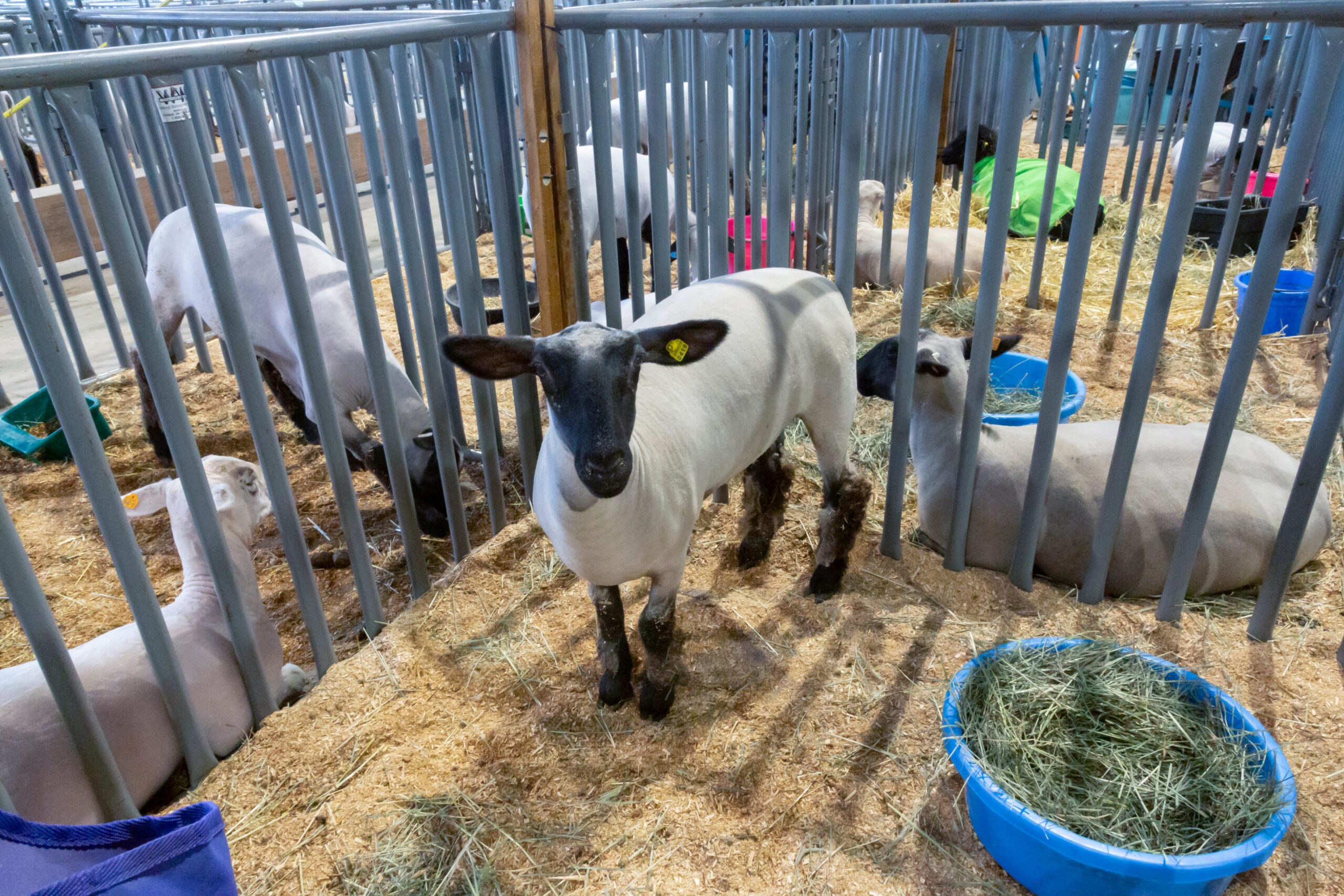
Transportation: Are you hauling horses in a horse trailer? Cattle, sheep, or goats in a stock trailer? What about your chickens or rabbits—do you have their pet carriers ready and a place for them in your vehicle? Animal transportation is an important aspect of a trip to the fair—your animals need to be comfortable and safe. You’ll want your vehicle plans ready ahead of time.
Livestock needs: How long will your animals be at the fair? Maybe your horses are only attending for the afternoon—but maybe your sheep are required to stay over a night or two. In any case, you’ll need to pack enough hay and feed for the duration. Also, you might want to bring some water from home that your animals are used to drinking, so that you can gradually mix it with the water source at the fair.
Paperwork: Horse shows at fairs may require proof of a negative Coggins test, while cattle, sheep, and goats may need to present a veterinary health certificate. Be sure to provide any necessary paperwork to the fair office.
Grooming supplies: You’ll want your animals to look their best at the fair, so a quick bath or brushing before the competition might be helpful. Be sure to bring your supplies for this.
Fair Arts & Crafts Checklist
Artwork: There’s more to fairs than farming—it’s a chance for you to exhibit your skills, too, and maybe take home a ribbon. There are many different varieties of artwork—pencil drawings, watercolors, acrylics, carving—so be sure to study the differences and enter your specific piece in its proper class. Think about how you’ll safely transport your artwork as well—bubble wrap, cardboard, etc.
Photography: There may be various photography classes that focus on different subjects—landscapes, animals, portraits. Study the class list in the weeks prior to the fair and you might be able to take photos for a specific entry. Also, in a world of digital photos, we don’t always think about printing sizes. But the fair’s photography competition may have specific requirements about print size—4×6, 5×7, 8×10, and more. Heed these rules to avoid a DQ.
Entry Tags: Your fair likely has some kind of registration process for your arts and crafts entries, and some project ID requirements like a tag on the back or something similar. Don’t forget to bring these tags with you to the fair!
Final Fair Checklist
Small Change: You never know when someone will want a hot dog or a ride on the Super Slide.
Storage Space on Your Phone: If there was ever a time to take pictures, it’s at the fair! Have your phone’s camera ready for big smiles with blue ribbons
Good Attitude: You may not win every time, but there’s always a fun time to be had at the fair.
Frequently Asked Questions
How do I prepare for the fair as a first-time exhibitor?
Start by reading the fair’s premium book or exhibitor guide. It outlines entry deadlines, class requirements, judging rules and any paperwork you’ll need. Creating a checklist ahead of time helps ensure nothing is forgotten.
What should I bring to the fair?
The essentials depend on what you’re exhibiting, but common items include entry paperwork, grooming supplies, feed and water for livestock, transportation equipment, exhibit tags and any display materials required by the fair.
How can I improve my chances of winning at the fair?
Choose your healthiest animals or highest-quality produce, follow all class requirements carefully and present each entry neatly. Judges look for quality, condition and adherence to the rules.
Do livestock need special paperwork for the fair?
Many fairs require health documentation for livestock. Depending on the species, this may include veterinary health certificates, vaccination records or a negative Coggins test for horses. Check your fair’s requirements well before the event.
What is the best way to transport produce and flowers?
Harvest produce and cut flowers as close to judging time as practical to keep them fresh. Protect delicate items during transport and follow any display guidelines provided by the fair.
Conclusion
A little preparation goes a long way when fair season arrives. By planning ahead, organizing your supplies and carefully reviewing the rules, you’ll spend less time worrying about logistics and more time enjoying the experience. Whether you’re exhibiting prize tomatoes, a favorite ewe, a flock of chickens or a handmade quilt, every fair is an opportunity to learn something new, connect with fellow exhibitors and celebrate the work you’ve put into your small farm throughout the year.
Love practical small-farm advice? Subscribe to Hobby Farms for expert tips, seasonal checklists, livestock guidance and inspiration to help your homestead thrive all year long.