Can chickens eat bell peppers? Yes! Chickens can safely eat red, orange, yellow and green bell peppers, and many chickens seem to prefer the sweeter taste of the red, orange and yellow varieties. Learn how to safely feed bell peppers to your flock, including which parts of the pepper chickens can eat, how much to offer and whether pepper color affects their preferences.
Key Takeaways
- Chickens can safely eat red, orange, yellow and green bell peppers.
- Red, orange and yellow bell peppers are generally more appealing to chickens because of their sweeter, milder flavor.
- Chickens can eat the seeds and core, but should not eat the leaves or stems of the pepper plant.
- Chop fresh bell peppers into small pieces before feeding them to reduce choking and crop-impaction risks.
- Bell peppers are a treat and should make up no more than about 5 percent of a chicken’s daily diet.
Can Chickens Eat Bell Peppers?
Yes. Chickens can eat bell peppers. This popular garden vegetable is not only a delicious snack, but it also offers immune-boosting vitamins and minerals to help your flock stay healthy.
Do Chickens Prefer Certain Bell Pepper Colors?
Chickens can safely consume red, orange, yellow, and green bell peppers. But just because they can eat them all does not mean they enjoy the taste of all the colors. Chickens seem to enjoy the milder, sweeter taste of red, orange, and yellow peppers over the strong taste of the green variety.
Although some flock members might learn to enjoy the taste of a green bell pepper, when introducing bell peppers to your flock, it’s best to stick to the milder, sweeter-tasting varieties.
Are Bell Peppers Good for Chickens?
Highly nutritious, bell peppers contain several vitamins and minerals to help boost your flock’s health and reduce the risk of several harmful diseases. These tasty summertime vegetables are high in vitamins A and C, and help to support a chicken’s overall immune system.
The red variety contains nearly double the amount of vitamin C as yellow, orange, or green varieties. Red bell peppers are full of antioxidants and are one of the richest dietary sources of vitamin C.
Bell peppers have an abundance of vitamins B6 (pyridoxine) and B9 (folate). Both folate and pyridoxine are needed to support the growth of healthy bones and feathers, and help chickens absorb protein from their feed. Red peppers, especially, carry larger amounts of folate than other varieties. They also contain high amounts of vitamin E, K, and potassium. The vitamin E found in peppers is suggested to reduce the risk of coccidiosis and E. coli outbreaks in the flock.
Although bell peppers can help reduce the risk of harmful diseases, they are not a cure and should not take the place of a visit to the vet.
Are Bell Peppers Safe for Chickens?
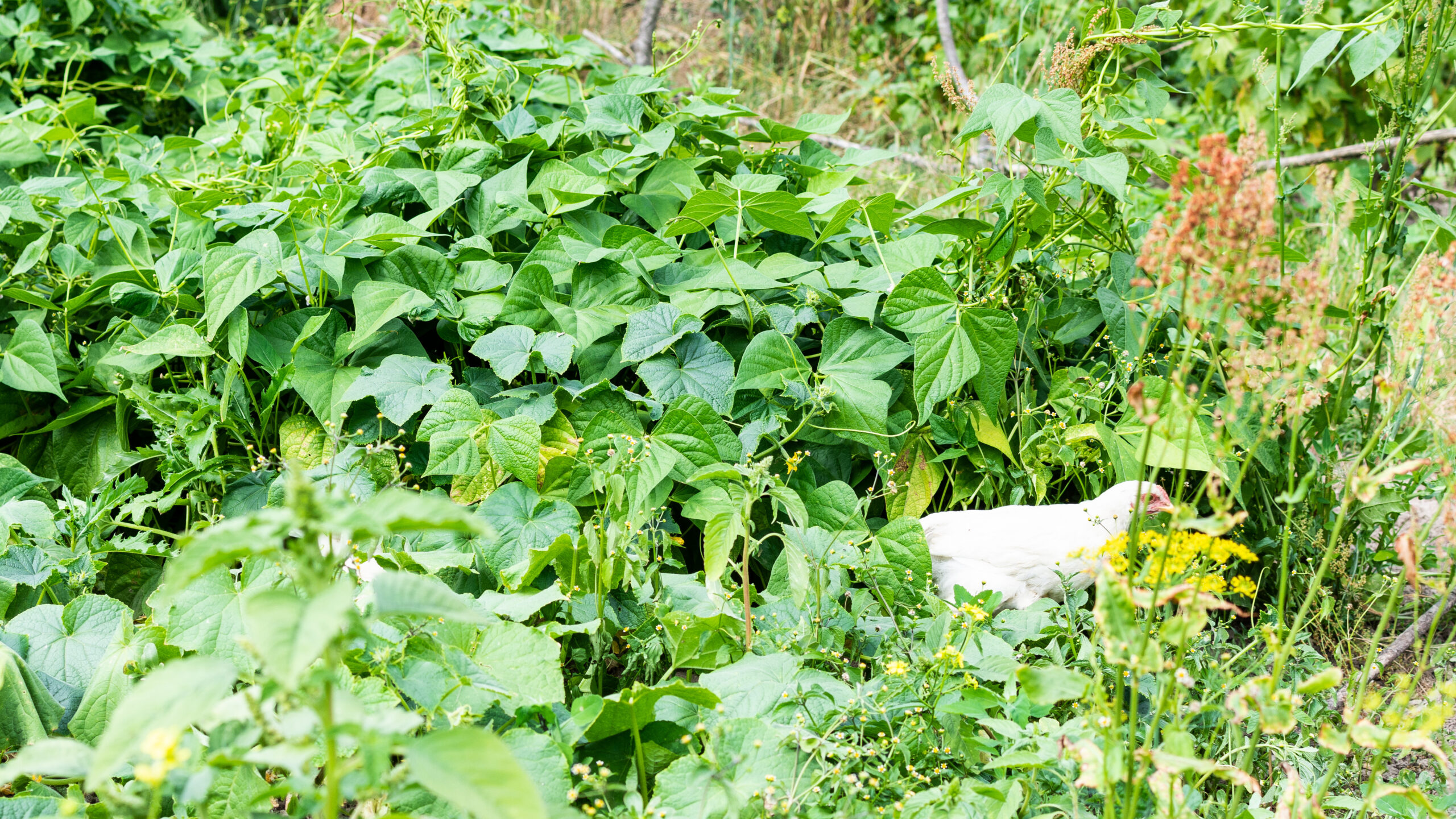
A member of the nightshade family, bell pepper plants contain a toxin called solanine. Solanine can cause severe health risks and even death to a chicken, so care should be taken to keep pepper plants away from curious beaks.
Another risk to consider when feeding bell peppers to chickens is a crop impaction. Chickens allowed to peck the pepper apart themselves are more likely to consume a piece that is too large to fit through the opening in a chicken’s crop.
How to Feed Bell Peppers to Chickens
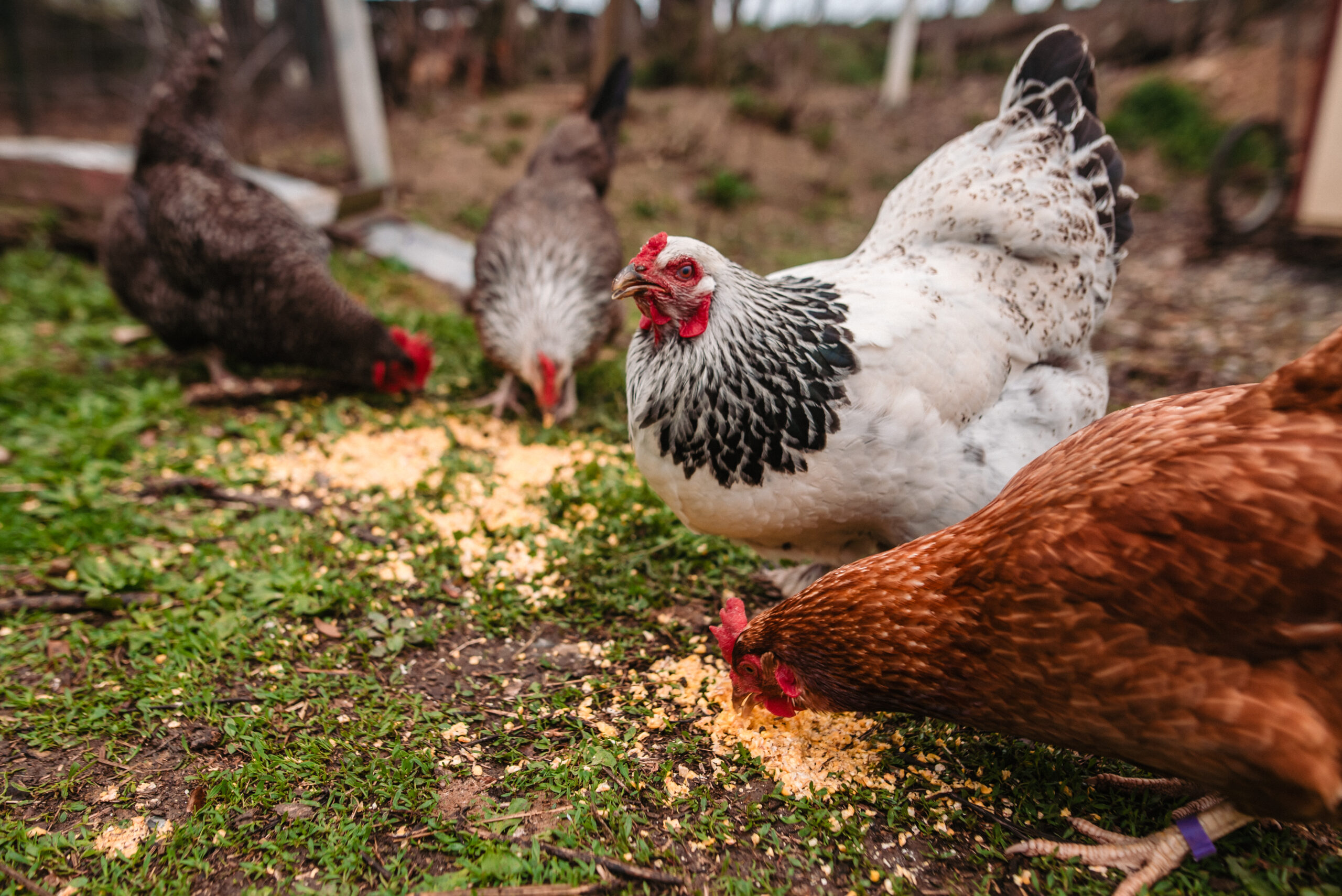
The best way to feed bell peppers to chickens is to chop them up into small pieces. Chopping up fresh bell peppers before feeding to your flock is the best way to prevent crop impactions and avoid choking hazards.
How Much and How Often?
You might be wondering how much and how often is safe for your flock to consume.
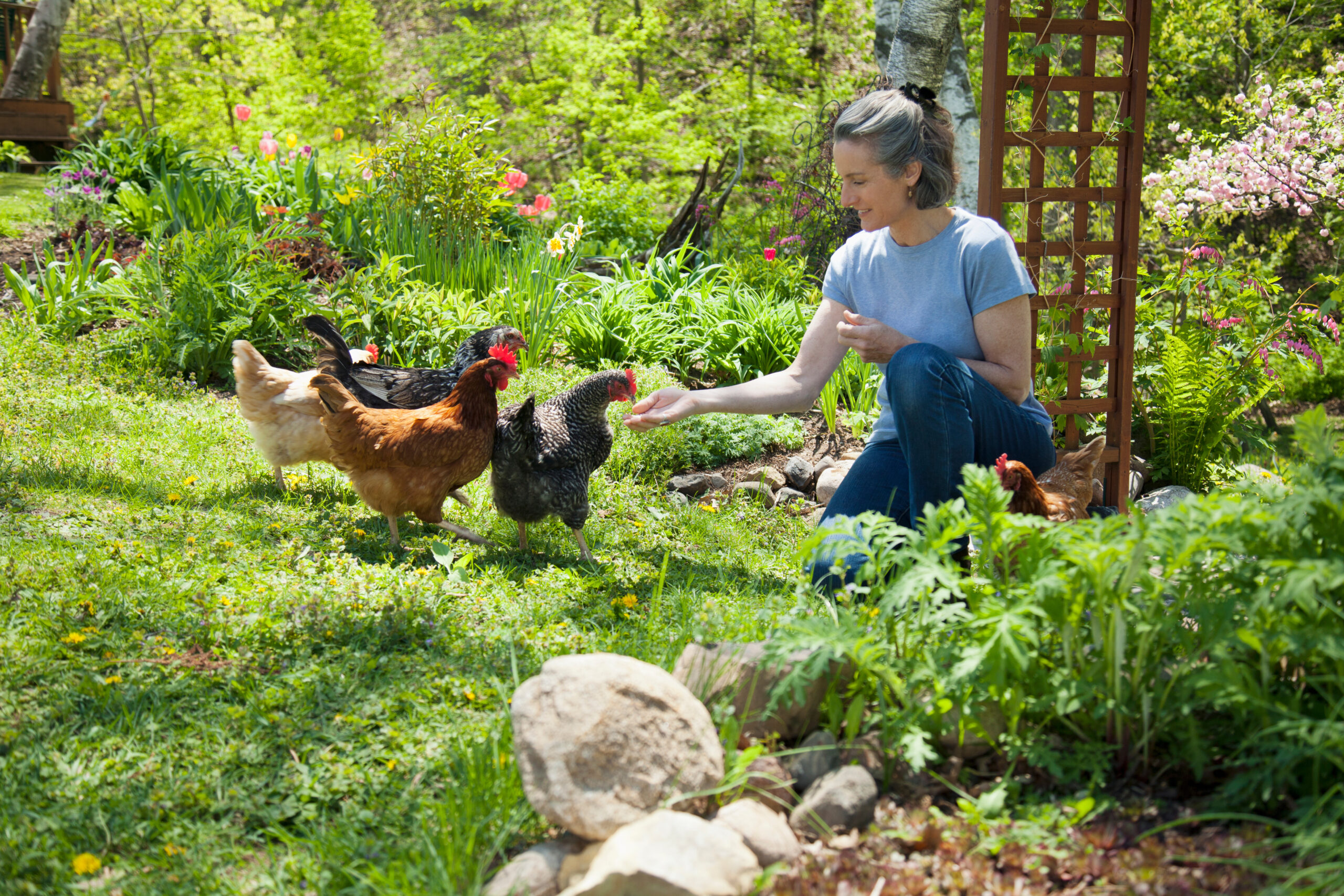
Bell peppers are safe to eat in moderation (about five percent of your flock’s daily diet). As a general rule of thumb, offer garden-fresh bell peppers to your flock once or twice a week.
Can Chickens Eat Frozen or Dried Bell Peppers?
Feeding your flock fresh bell peppers can promote good health, but the benefits stop with fresh peppers.
Frozen peppers are often mixed with onions (toxic for chickens). Even when not mixed with onions, frozen bell peppers are softer in texture, making it more difficult to chop into small, bite-sized pieces for your flock to enjoy.
Dried, frozen, and canned peppers also contain lower amounts of vitamins and minerals and are not as healthy for your flock as fresh ones.
Do Bell Peppers Affect the Taste of a Hen’s Eggs?
When fed in moderation, bell peppers do not affect the taste of eggs. The only difference that you might notice is that chickens who consume bell peppers may produce eggs with deeper-colored yolks.
FAQs
Can chickens eat bell pepper seeds and core?
Yes. The entire bell pepper is safe for chickens to consume, including the core and seeds. Unlike humans, chickens don’t mind the slightly “spicy” flavor of the seeds, so you don’t have to worry about removing them.
Are the leaves and stems safe?
No. The entire pepper plant, including the leaves and stem contain a toxin called solanine. Consuming solanine can result in severe digestive upsets, loss of motor control, respiratory problems, and even death.
Does color matter?
Most chickens enjoy red, yellow, and orange varieties of bell peppers. Although some hens may eat the green variety, if you have a picky eater, staying away from the stronger-tasting green bell pepper is a good idea.
Can chickens eat spicy peppers?
Yes. Chickens can eat spicy peppers, including cayenne. Although they can’t taste the burn the way a human does, it is best to avoid feeding peppers that are spicier than cayenne to your flock.
How much should you feed?
Like all treats, bell peppers should be limited to five percent of your flock’s daily diet.
Final Thoughts
Bell peppers can be a nutritious, flavorful treat for backyard chickens when offered in moderation. Stick with fresh peppers, chop them into small pieces and keep the leaves and stems away from curious beaks. While your flock may have its own color preferences, red, orange, yellow and green bell peppers can all be part of a varied chicken treat menu.
Want more helpful advice for raising a happy, healthy flock? Subscribe to Chickens magazine for expert tips, practical advice and plenty of inspiration for backyard chicken keepers.