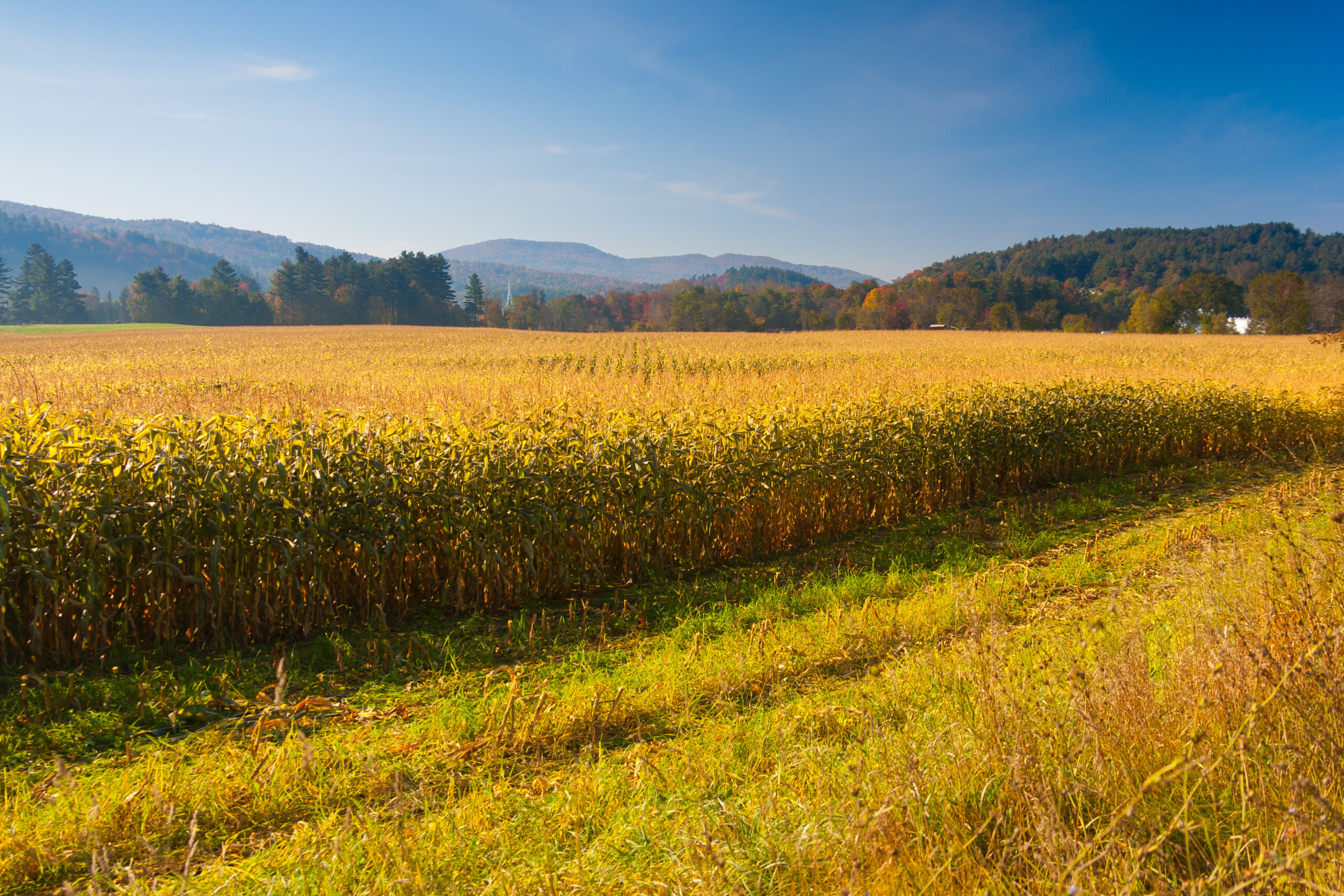
Why is early fall so warm? In many regions, the temperatures stay warm even though the calendar may say fall. Even if you’ve reached the official autumn equinox, you may still see plenty of warm or even hot weather.
Fall Weather: Key Takeaways
- Fall weather can remain warm because Earth’s land, water and atmosphere take time to respond to seasonal changes in sunlight.
- The official seasons are based on Earth’s position relative to the Sun, with the equinoxes and solstices marking important points in that annual cycle.
- Seasonal temperature changes lag behind changes in sunlight, so the warmest and coldest weather typically occurs weeks after the summer and winter solstices.
Our modern calendar is a solar calendar—so it places emphasis on the precise, annual movements of the Earth around the Sun. When these movements are combined with the planet’s natural axis tilt, the result is that some parts of Earth receive more direct sunlight during portions of the year, and others receive less direct sunlight. This, of course, gives us the seasons.
The summer solstice in June is the day with the most direct sunlight and the most solar energy pouring down on the Northern Hemisphere. Yet by the time we get to the autumn equinox in September—when the days and nights are of equal length—it’s still usually quite warm, if not downright hot in many regions. So why do we have so many oppressively hot days in September? How does the Earth hang on to the heat?
Why Fall Weather Lags Behind the Calendar
If temperatures followed the calendar and sunlight duration/intensity exactly, we would expect to see results like this.
| Spring Equinox* | Summer Solstice* | Autumn Equinox* | Winter Solstice* |
| March 21st | June 21st | September 21st | December 21st |
| Days and nights equal length | Longest day; direct sunlight | Days and nights equal length | Shortest day; indirect sunlight |
| Mild temps | Peak hottest temps | Mild temps | Peak coldest temps |
(Note: Solstice and equinox dates are approximations; they can vary a day or so in either direction depending on the year.)
But this isn’t always what happens. Instead, we often may see something like this.
| Most “Springlike” | Most “Summerlike” | Most “Autumnlike” | Most “Winterlike” |
| April/May | July/August | October/November | January/February |
| Mild temps | Peak hottest temps | Mild temps | Peak coldest temps |
So, clearly there is a lag happening. The coldest temperatures occur on average a month or two after the dimmest day of the year, and the hottest temperatures occur on average a month or two after the longest day. (All of this, of course, can vary by location, but it’s a general guide.)
Why Does Fall Weather Stay Warm?
The reason is the insulating properties of soil, air, and water. It takes time to heat something up—like a pot of water on the stove. You can turn the heat up on the burner, but it will be a few minutes before the water boils. The same happens for Earth’s oceans, soil, and atmosphere. The result is that you don’t always feel the heat of the Summer Solstice until much later in the summer—and that heat can last all the way until fall, too.
The reverse happens in winter—it’s often those freezing cold days in January and February that are the harshest time of winter, even though there is more daylight and more direct sunlight than there was around December 21st.
How Seasonal Weather Affects the Farm
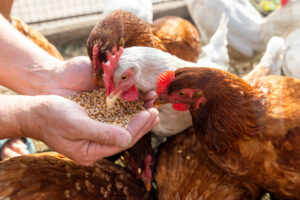
If you farm—even on the smallest scale with a garden or chickens or a couple of hayfields—the delay in sunlight-to-temperature has a direct effect on you. The dates that you begin to plant, or start to harvest, or get the snowplow on the truck, or install the insulating panels on your chicken coop all depend on the actual climate at your location more than exactly what the calendar says. And since every climate is slightly different, farming can help you become more attuned to your land and your weather.
Fall Weather FAQs
Why does fall weather stay warm after the autumn equinox?
Earth’s land, oceans and atmosphere take time to heat up and cool down. Because of this seasonal lag, temperatures often remain warm for weeks after the days begin getting shorter.
How is Earth’s axis tilt involved in the seasons?
Earth is tilted about 23.5 degrees relative to its orbit around the Sun. This tilt causes the Northern and Southern hemispheres to receive different amounts of direct sunlight throughout the year, producing the seasons.
Why is January often colder than December?
Although the winter solstice in December brings the year’s shortest day and least direct sunlight to the Northern Hemisphere, temperatures continue to fall afterward because Earth’s land, water and atmosphere are still losing stored heat. January and February can therefore be colder on average than December.
Do the oceans affect fall weather?
Yes. Oceans cover more than two-thirds of Earth’s surface and heat and cool slowly. Their ability to store and release heat contributes to the seasonal lag in temperatures, including warm weather that can persist into fall.
Fall Weather: What to Remember
The calendar may say fall, but the weather doesn’t change overnight. Earth’s land, oceans and atmosphere continue releasing the heat they absorbed during the warmer months, creating a lag between changes in sunlight and changes in temperature. That’s why warm weather can linger well after the autumn equinox—and why the coldest days of winter often arrive weeks after the winter solstice. For farmers and gardeners, paying attention to local weather patterns and soil conditions can be more useful than relying on the calendar alone.
This article about warm fall weather was written for Hobby Farms magazine. Click here to subscribe.