Chickens on the farm have long provided families with fresh eggs, homegrown meat, and a reliable source of income. Today, more farmers and homesteaders are returning to raising chickens as part of a self-sufficient lifestyle. However, choosing the right breeds and creating a management plan are key to building a productive flock. Learn which chicken breeds are best suited for farm life, how to house chickens with other livestock, and what to consider before starting your own flock.
Key Takeaways: Chickens on the Farm
- Chickens can provide eggs, meat, pest control, and additional income for farm families.
- Dual-purpose breeds such as Barred Plymouth Rocks and Rhode Island Reds are popular choices for farm flocks.
- Choosing a chicken breed should depend on your goals, including egg production, meat, or raising future generations.
- Chicken tractors and movable fencing can help protect flocks while allowing chickens to forage.
- Successful farm flocks require proper housing, predator protection, and careful planning before purchasing chicks.
The History of Chickens on the Farm
Raising chickens on the farm is a long-standing tradition that our ancestors have been doing for centuries. Traditionally, chickens were often managed by farm families as a source of household income. Hens past their prime laying years were either kept as broodies to raise chicks or butchered.
In olden days, chickens were a valuable asset to the farm, providing the family with both cash and food. The chickens sustained themselves on the bugs and grasses they foraged for, supplemented with a little grain and any leftovers the family fed to them.
Modern Chickens on the Farm
Today, chickens are often thought of as pets with benefits by backyard enthusiasts and pet chicken owners, but they can still be a valuable addition to the farm.
While modern chickens have been bred to lay more eggs, requiring farmers to feed them a complete layer ration, they can still forage for part of their diet, help feed a family, and provide a cash profit through selling eggs and meat.
However, not all chicken breeds are suited for farm life, so let’s take a look at two of the best choices for self-sufficient farmers.
Barred Plymouth Rock: A Farmer’s Favorite
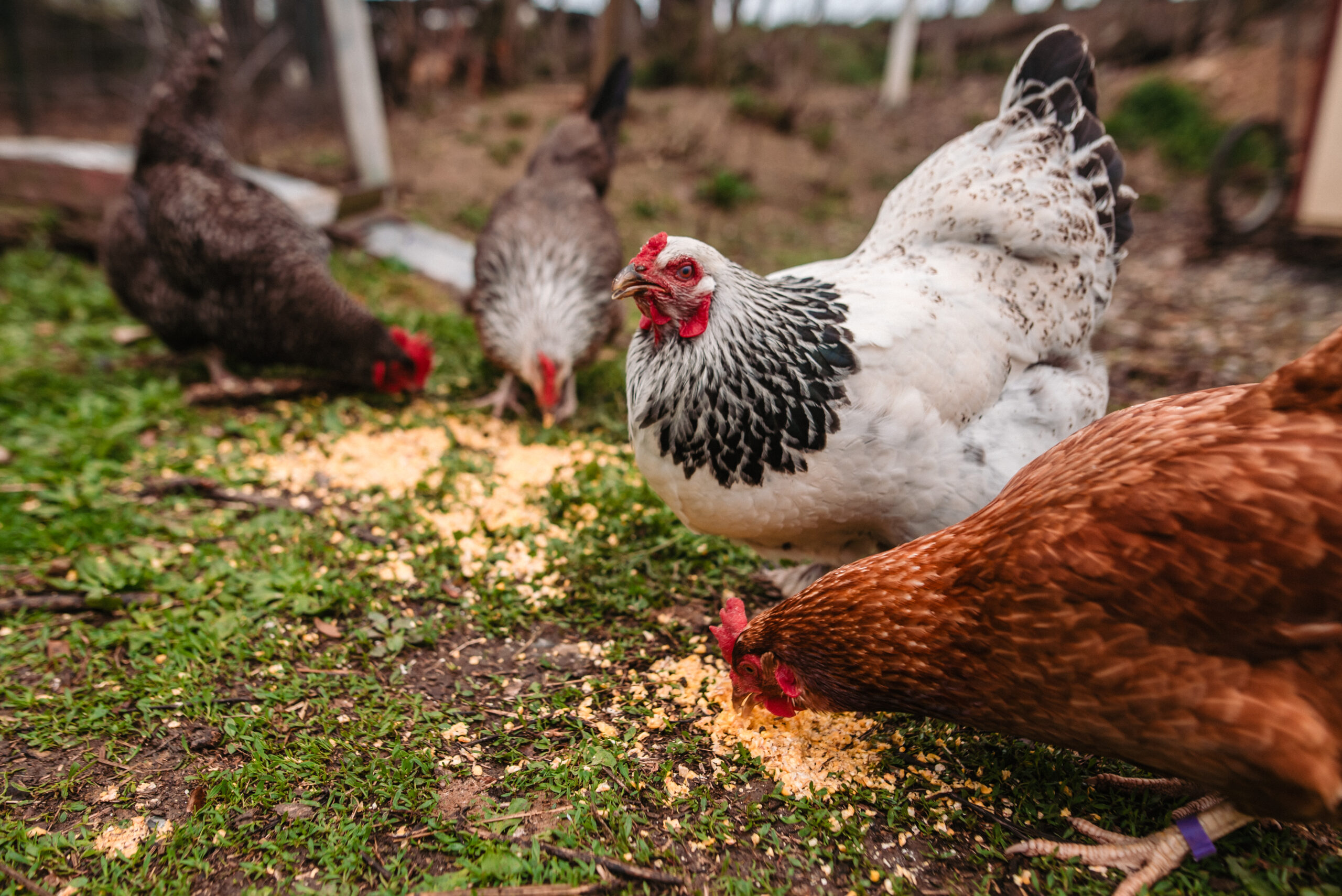
As versatile as they are popular, the Barred Plymouth Rock is a good addition to the farm. This docile chicken is a dual-purpose breed (meaning they can be raised for eggs and meat) and excels on the farm.
Barred Plymouth Rock hens are dependable layers, producing two hundred to two hundred and fifty large light brown eggs annually. Egg production remains steady for the first three years of life, making this breed a good choice for farmers who do not want to replace their layers every year. As hens mature, they can go broody and hatch and raise young for the next generation of layers. Barred Plymouth Rock hens also make excellent stewers once production has ceased.
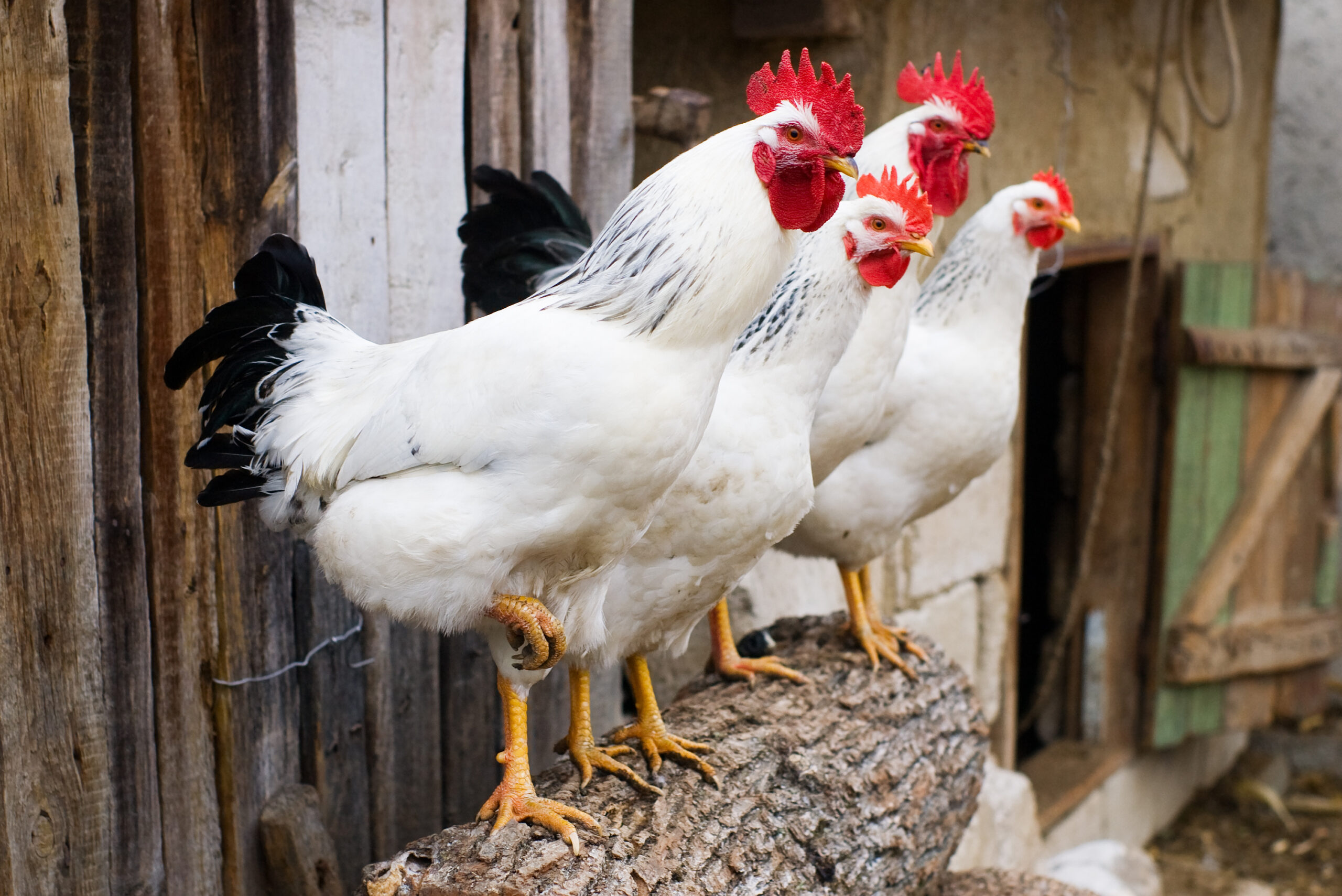
Roosters make excellent guardians, watching over the flock and alerting both the hens and the farmer of potential predators.
Cockerels reach butchering weight between sixteen and twenty weeks. While this may seem long when compared to the Cornish Rock, it is believed that the slower growth and longer life contribute to the breed’s superb flavor.
Rhode Island Red: A Reliable Farm Breed
The Rhode Island Red is a dual-purpose breed known for its excellent egg-laying abilities and meat production. Unlike the Barred Plymouth Rock, Rhode Island Red hens rarely go broody, putting all their energy into egg production.
Hens average two hundred and fifty to three hundred large/extra-large brown eggs annually. Rhode Island Reds are excellent foragers, making them an ideal breed for farmers wishing to earn extra money by selling pastured eggs. They adjust well to life in a chicken tractor, as their confident nature makes them an ideal choice for foraging in pastures.
A dual-purpose breed, Rhode Island Red cockerels are often raised alongside laying hens and reach market weight between four and five months.
Rhode Island Red roosters can be more aggressive than some other breeds, so they may not be the best choice for every farm flock.
Choosing a Breed
Barred Plymouth Rocks and Rhode Island Reds are just two recommended breeds when raising chickens on the farm. However, there are many breeds that can earn the farmer a little extra cash and put food on the table. Before choosing a breed, here are a few things to consider.
- Whether you choose layers, broilers, or a dual-purpose breed, chickens on the farm should always serve a purpose.
- Heritage chickens are often a good choice for farmers, as these versatile breeds can do it all. From egg-laying and meat production to potentially raising the next generation of chickens, these breeds offer farmers the most bang for their buck.
- Decide your flock’s intended purpose. This is very important, as you don’t want to end up with a breed that won’t fit your needs. If you are looking to only raise broilers, Cornish Rocks or another meat breed may be the best option. Or if you wish to sell eggs to customers without the hassle of butchering unwanted cockerels, a hybrid layer such as the Golden Comet may be the best choice.
- Stay away from fancy breeds: As cute as crested breeds or chickens sporting feathered feet and muffs might be, these hens are not usually a good fit for farm life.
Chickens and Other Livestock
When raising chickens on the farm, a common question is, “Can I raise chickens with other livestock?” The answer is yes and no.
Chickens raised on the same pasture with goats or cattle should not be allowed to intermingle with the larger livestock to avoid the risk of your flock getting trampled. Instead, house chickens in a chicken tractor with a small separate pasture inside the larger pasture to protect the flock.
Movable electric fencing is often used in these situations, as this fence is easy to set up in different areas of the pasture, allowing the farmer to reap the benefits of natural pest control that could make ruminants sick.
Housing Chickens on the Farm
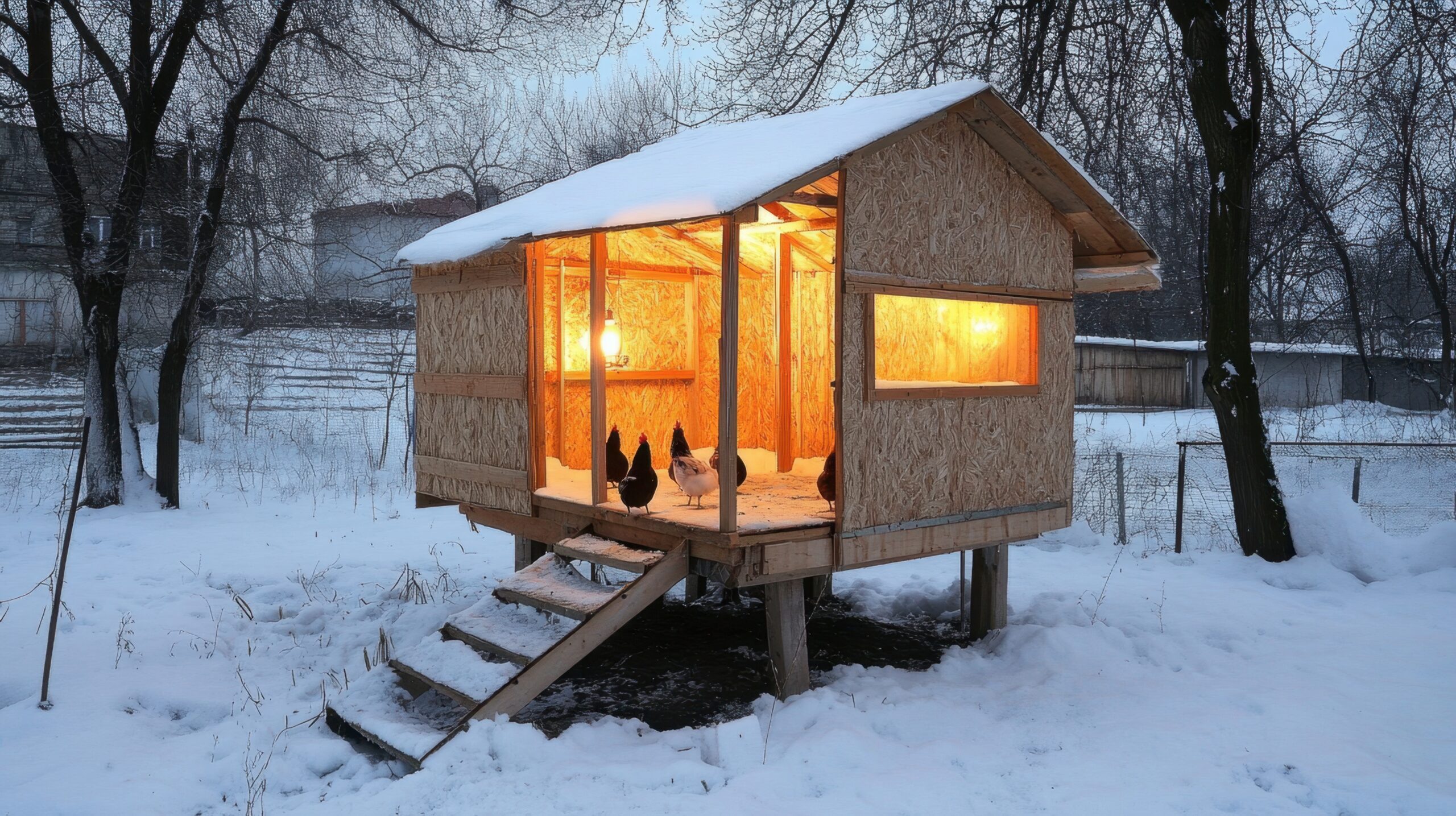
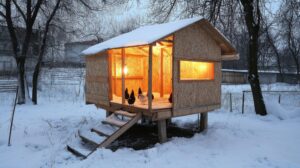
Chicken tractors are often the best way to house chickens on the farm. These wonderful homes on wheels make it relatively easy to move the chickens from spot to spot around the pasture or even switch pastures entirely.
When housing large flocks, many farmers have multiple setups to ensure everyone has enough room. Having multiple chicken tractors and pastures is very convenient, especially when raising broilers and layers. As a general guideline, chickens need at least five square feet of coop space and about ten square feet of outdoor space per bird, although more room is always beneficial.
When raising chickens on the farm for eggs and meat, combining chicken tractors with movable electric fencing is a good way to keep out most diurnal predators. With these tools, farmers can create a relatively safe environment for their flocks while enjoying the delicious taste of pastured eggs and meat.
During the colder months, housing chickens on the farm in a barn or other outbuilding is the most practical way to overwinter your flock. Farm chickens face many predators, so it is important to ensure that the barn is predator-proofed to prevent a predator attack.
Starting Your Farm Flock
Before jumping into raising chickens on the farm, there are several other things to consider, including when to start your flock. This question is important because the answer will largely depend on why you are raising them.
If you want to start selling eggs in the spring, fall chicks may be the best way to go. However, when raising broilers, the warmer months of spring and summer are often better suited for raising meat birds.
Ordering Chicks
You’ve done your research, decided what breed best fits your needs, and purchased a chicken tractor. Now the only thing you have to do before you have your very own flock is place an order with a hatchery.
While it is important to get the breed that best fits your needs, it is also equally important to choose the right gender. Straight-run chicks usually arrive with a fifty/fifty male-to-female ratio. This option works well for farmers looking to raise chickens for eggs and meat, as it gives a nice blend of layers and meat birds at a reduced cost.
When raising chicks for layers, choose pullets. While the extra cost of the pullets may not be ideal, the cost of feeding cockerels you don’t want will be more than the extra money you spend on pullets.
Frequently Asked Questions
When do hens start laying?
While it can vary, most hens start producing eggs between the ages of five and seven months.
Do I need a rooster to get eggs?
No, hens do not need a rooster to produce an egg. The rooster’s sole purpose is to fertilize the eggs and protect the flock.
How many eggs will I get?
A young, healthy hen will lay about five eggs per week. Peak production lasts for one to two years of life, with some breeds such as the Barred Plymouth Rock consistently producing eggs for three years.
How can I tell what color egg a hen will lay?
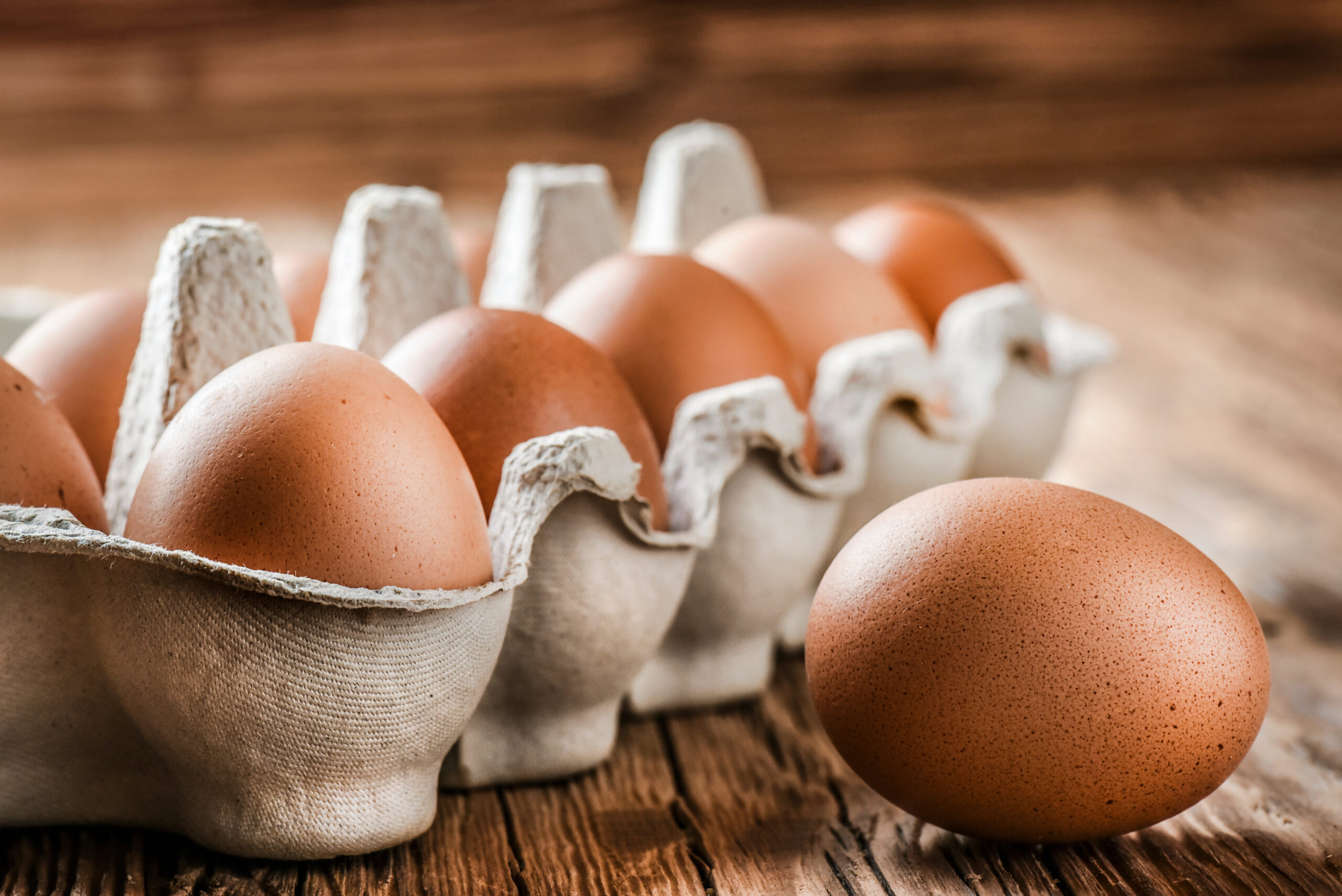
Egg color is usually based on the color of the earlobe, the fleshy skin located directly behind the ear. Brown, blue, and green egg layers have red earlobes, while white egg layers sport white earlobes.
Can chickens live on pasture year-round?
Chickens can spend much of the year on pasture if they have protection from predators, shelter from extreme weather, and access to supplemental feed. In colder climates, additional housing may be needed during winter months.
Chickens on the Farm Conclusion
Raising chickens on the farm can be a rewarding way to produce fresh eggs, homegrown meat, and even additional income. The key to success is choosing breeds that match your goals, providing proper housing and protection, and creating a management system that works for your farm. Whether you are starting with a small backyard flock or building a larger farm operation, well-planned chickens can become a valuable part of a sustainable farming system.
Want more practical poultry and farm advice? Subscribe to Hobby Farms magazine to get expert tips on raising chickens, improving your homestead, and making the most of your small farm.