Chicken anatomy is a fun and informative way to learn about your chicken’s body, how it works and what physical characteristics set roosters and hens apart from each other.
Understanding the Chicken Face: Key Features Explained
One of the first things you notice on a chicken is its face. With their hawk-like eyes and red, fleshy combs, a chicken’s face attracts a lot of attention, and can tell you a lot about each individual.
Chicken Combs: Types, Functions, and Breed Differences
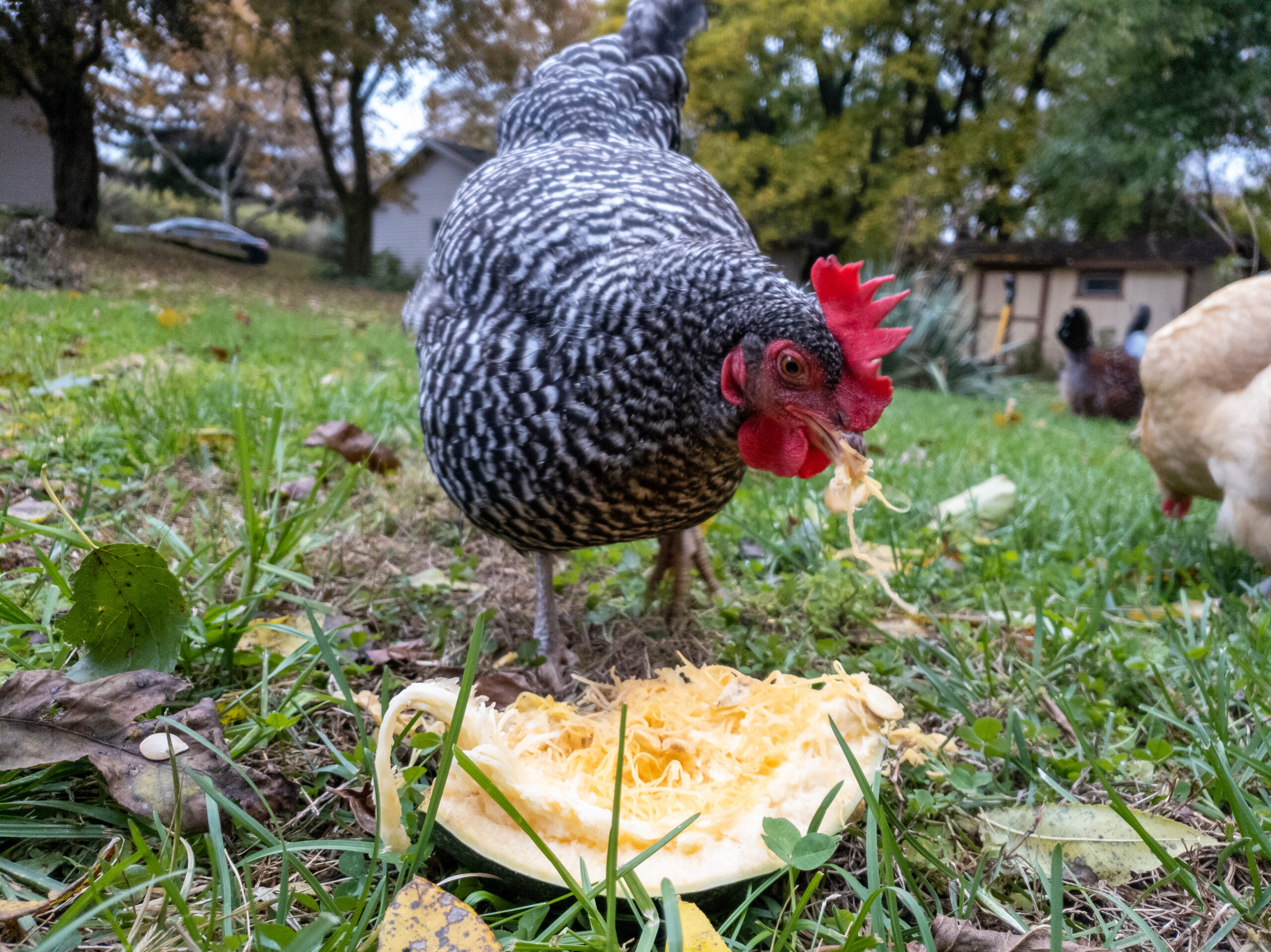
The comb is the fleshy crown on the top of a chicken’s head. No two combs are alike, helping to give each chicken a distinctive look. Combs vary in shape, depending on breed, with the most common varieties being single, rose, and pea.
Comb color also varies depending on the breed; however, most breeds sport a waxy, bright red comb.
The comb features two other body parts on the chicken anatomy chart: the base and point.
The backside of the comb is called the base or blade. The base is not directly attached to the head and will often flop over on breeds with large, single combs. The base is featured on several comb varieties, including single and rose combs.
Points only appear on single comb varieties, giving this comb style the look of a hair comb.
What Are Wattles in Chicken Anatomy?
Wattles are the red, fleshy objects that dangle from a chicken’s chin. They may not be a crucial part of a chicken’s anatomy for humans, but they are quite useful for chickens.
Wattles help to keep chickens cool during the summer months. And large wattles are also helpful for roosters when attracting a mate.
Chicken Ears and Eyes: How They See and Hear the World
An interesting thing about chicken anatomy that you may already know is that the ear and the earlobe on a chicken are not the same thing.
The ear is a small opening covered with tiny feathers directly in front of the earlobe. The ear isn’t usually visible to the human eye, but if you’re lucky, you may be able to catch a glimpse of it.
The fleshy skin located on the side of the chicken’s face directly behind the ear is called the earlobe. While it may look ornamental, the earlobe’s job is to help protect the ear canal and keep temperatures regulated within the inner ear.
A chicken’s eyes are set on either side of its head, allowing them to see in every direction at once and keep a lookout for danger. Looking at a chicken’s eyes is a good gauge to tell if the individual is healthy, as a healthy chicken’s eyes should appear bright and alert.
Chicken Beaks and Nostrils: Function and Structure
Beaks are the chicken’s answer to a mouth and is where food enters the body and begins the digestive process. An interesting fact about beaks is that chickens not only use their beaks for their mouths, but they also use them to investigate the world around them.
The nostrils work as the human nose, allowing chickens to breathe air in and out. Nostrils are located on either side of the face just above the beak.
Hackles and Neck Feathers in Chicken Anatomy
Chicken anatomy not only comprises many different body parts, but it also displays the various feathers chickens have, including capes/hackles.
The chicken’s long neck feathers, usually referred to as hackles, help insulate a chicken from both heat and cold.
In roosters, the hackles are often used as a display to attract hens and show dominance.

Back Feathers, Cushions, and Saddles: Chicken Feather Types
Chicken backs feature several different chicken feather varieties, known as back feathers, cushion and saddle feathers.
The back feathers are the short feathers that cover the chicken’s back. These feathers help insulate a chicken and protect them from the elements.
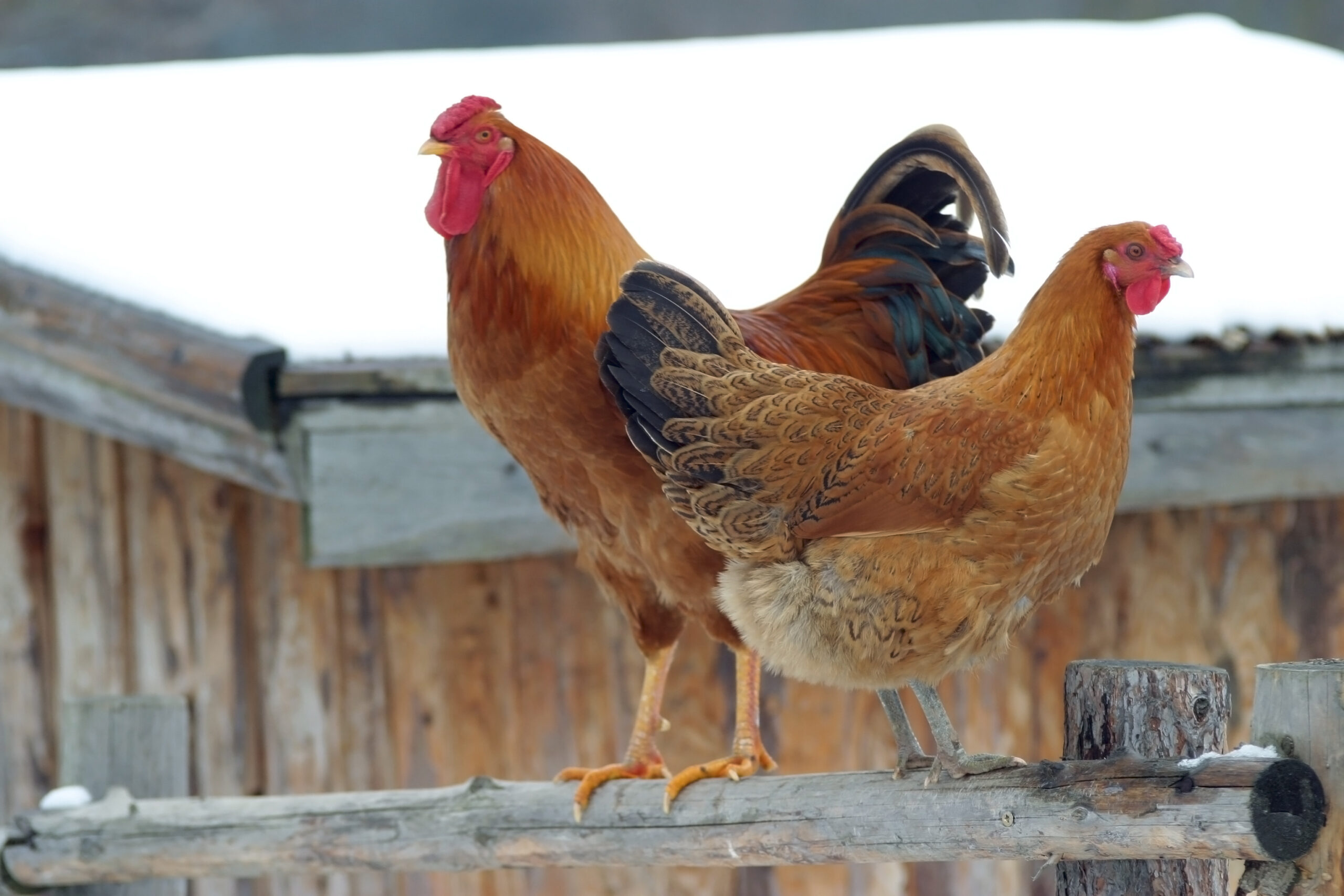
Cushion and saddle feathers are located at the bottom of the back, directly in front of the tail. The difference between these two feather varieties is that hens sport cushions and roosters’ saddle feathers.
Saddle feathers are long, thin feathers that help attract hens to the rooster and should always be showy.
Chicken Breast vs. Keel: What’s the Difference?
Chicken breasts and keels can be mistaken for the same thing, but chicken anatomy graphs show the difference between these two body parts.
The breast is the fleshy part of the chicken and is where most of the meat is found when butchering.
The keel on a chicken is the large bone running from the chicken’s breast, where the wing muscles attach. Often referred to as the breast bone, the keel is what enables chickens the ability to flap their powerful wings.
Anatomy of Chicken Wings: Feathers and Flight Functions
Chicken wings do not have the same meaning in chicken anatomy as they do at a Super Bowl Party. Take a closer look at your chickens’ wings. You will see that they are comprised of seven different types of feathers.
The shoulder feathers are where a chicken’s wing is connected to the body. The bow coverts are to the right of the shoulder feathers and are followed by the thin alula feathers.
The bar feathers, also called the wing speculums, are located above the secondary flight feathers just below the shoulder and bow coverts. In some varieties and breeds, roosters’ speculums should be showy, similar to a duck’s wing speculum.
Located to the right of the wing speculums are the primary coverts, protecting the shafts of the primary flight feathers.
The primary flight feathers are the first ten feathers at the tips of the wings. These feathers provide thrust for takeoff and are vital for flight. Primary flight feathers are the largest feathers located on the wings.
The fourteen secondary flight feathers (located next to the primaries toward the body) allow lift in flight to help a chicken escape predatory danger and fly onto the perch for the night.
Chicken Legs, Feet, and Spurs: A Closer Look
Chicken legs and feet are an essential part of understanding chicken anatomy. Chicken legs, also referred to as hocks, are the bones that connect the thigh to the shank (ankle).
The toes are located at the base of the foot, with a sharp toenail at the end of each toe.
Roosters sport a spur on the back of each leg, a long toenail-like weapon used to battle other roosters and predators. While hens sport a small bump called a rudimentary spur.
Chicken Tail Anatomy: Sickles, Fluff, and More
There is no such thing as just a tail feather in chicken anatomy. There are main tail feathers, greater sickles, lesser sickles, and fluff. While hens only have main tail feathers and fluff, roosters sport all four feathers.
The main tail feathers are what the hen’s tail is completely comprised of, while a rooster’s main tail is covered with sickles.
The greater sickle is the longest, full feathers that cover the tail. The lesser sickles cover the sides of the main tail feathers, but are neither as long or full as the greater sickles.
The fluff on a chicken is located beneath the tail, covering the chicken’s bottom end, and giving them the signature “fluffy butt” look many chicken keepers love.
Explore Chicken Anatomy Up Close With Your Flock
Chicken anatomy is a fun and informative way to learn more about chickens and how their bodies work. So next time you are visiting your flock, take some time to identify and admire some of their physical characteristics and their many feather varieties.
Backyard chickens may be small, but every element of them is important. Learn all that you can about your roosters and hens, from their combs to their toes and every feather in between, with the help of the included chicken-anatomy diagrams.
This article about chicken anatomy was written for Hobby Farms and Chickens magazines. Click here to subscribe.