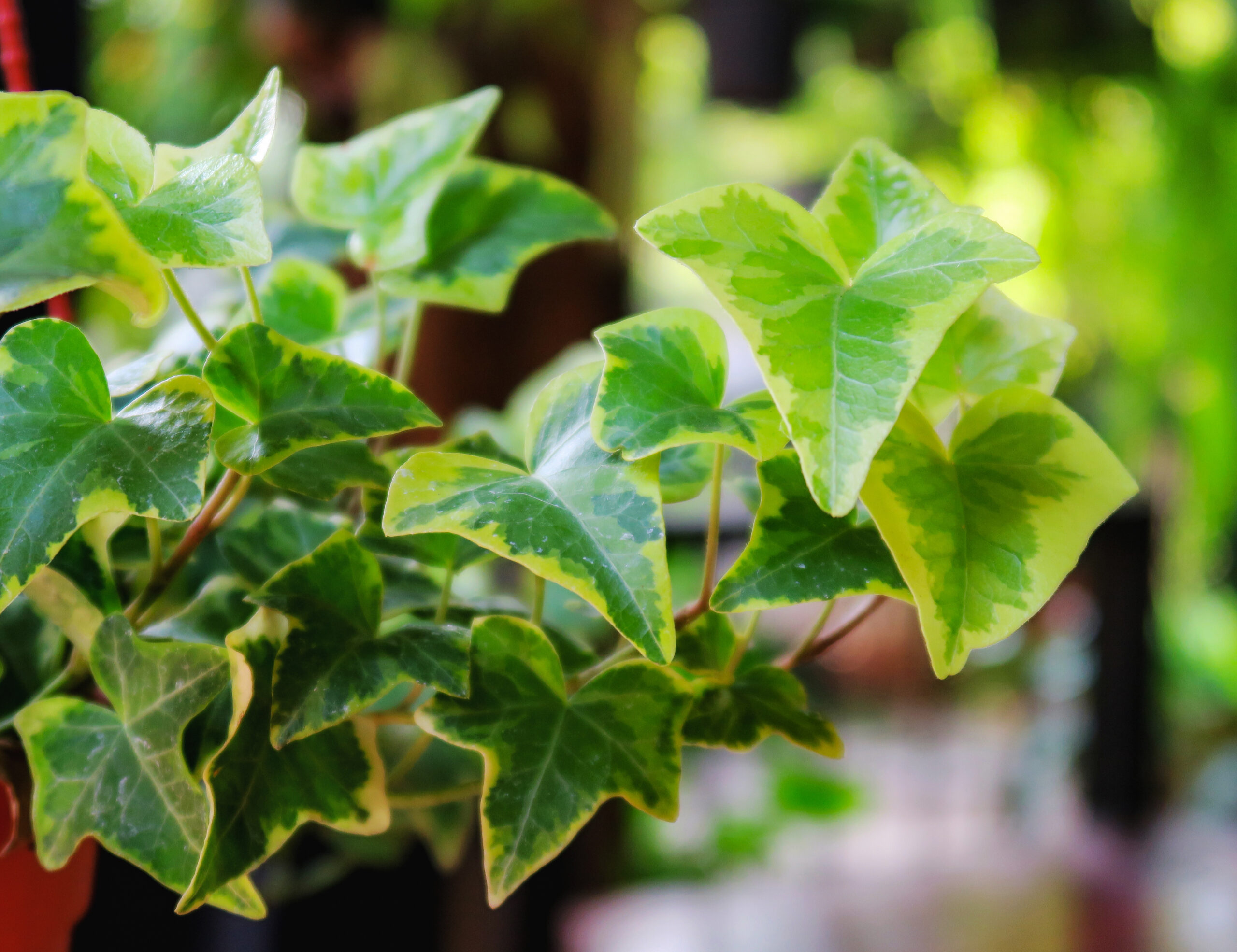
English ivy (Hedera helix) is more than just a climbing plant in gardens—it has a rich history and cultural significance, including a starring role in the classic British Christmas carol The Holly and the Ivy. Dating back to the early 1700s, the song has been passed down through generations, while English ivy and holly carried symbolic meanings long before the carol was written. This winter, taking a closer look at these evergreens reveals both their botanical importance and their place in holiday traditions.
Why English Ivy and Holly Are Celebrated
Long before Christianity reached the European continent, people used the evergreen plants found in forests to decorate their homes for the winter season in general and for the solstice in particular. Holly shrubs were plentiful, one could often find ivy growing underneath in solid mats or twining up neighboring trees. Ivy is more commonly known to us as English ivy (Hedera helix). The plant remains green year-round, and in the winter, it is further decorated with blue-black berries.
From Pagan Symbolism to Christmas Traditions
When Christianity filtered through Europe, the holly and ivy plants were co-opted into the Christmas celebration. This wasn’t a smooth transition, as the folks who were outside the Christian religion had sacred meaning attached to the evergreens and resented their use. Church leaders also disapproved. The symbolism stuck, but the dissonance was captured in the carol, “The Holly and the Ivy.”
At the time, the holly was symbolic of masculinity and was readily absorbed into Christian symbolism, each part of the plant matching a different aspect of Christ’s life. The ivy was symbolic of femininity. While the pagans venerated both together, Christianity wished to pull one out in favor. The Christmas carol that resulted from this struggle mentions the ivy only in the first line. The rest of the song is completely focused on the holly. As a comparison we hear that of all the evergreens in the wood, the “holly wears the crown.” Masculinity and Christianity won out over the old ways, and church-goers could safely sing about these pagan symbols at Christmas time because they had fully been absorbed into the Christian tradition.
English Ivy Today: Growth and Challenges
Today in America, English ivy isn’t very popular. It achieved invasive status, growing with such wild abandon that it weighs down and uproots small trees. In Oregon and Washington, it’s illegal to sell or plant it. If you live in a state where you can grow English ivy, it’s a commitment to grow. Once established on a wall or arbor, the ivy is difficult to remove.
Medicinal Uses of English Ivy
In Europe, the leaves are used both externally and internally for medicinal purposes. Externally, it is a great tea or balm to rub on sore and arthritic joints. Internal use is a bit more problematic.
The ivy plant should only be administered by a knowledgeable practitioner. Studies have shown that ivy can be beneficial in the case of respiratory ailments, such as general congestion and chronic asthma. However, it’s suggested that ivy can be toxic when in the wrong hands.
Singing the Holly and the Ivy with New Respect
This Christmas, while admiring holly and English ivy in gardens or holiday décor, consider the history woven into the carol The Holly and the Ivy. These evergreens connect us to centuries of tradition, symbolism, and natural beauty—a reminder of the rich stories hidden in the plants around us.
FAQ: English Ivy and the Holly and Ivy Carol
Q: What is English ivy?
A: English ivy (Hedera helix) is a climbing evergreen plant native to Europe. It can grow on walls, trees, and ground covers, and is known for its year-round green leaves and blue-black berries. While often used in gardens, it can become invasive if not managed carefully.
Q: How is English ivy connected to the Christmas carol “The Holly and the Ivy”?
A: The famous British carol mentions both holly and ivy, highlighting their symbolic roles in holiday traditions. Holly represents masculinity and Christian symbolism, while English ivy represents femininity. Together, they reflect the ancient practice of decorating with evergreens during winter celebrations.
Q: Can English ivy be grown safely in the U.S.?
A: Yes, but it requires careful management. In some states, like Oregon and Washington, English ivy is considered invasive and is illegal to plant or sell. When cultivated responsibly, it can add beauty to garden beds, walls, or arbors.
Q: Does English ivy have medicinal uses?
A: Yes. In Europe, English ivy has been used both externally (as a balm or poultice for sore joints) and internally (as a tea for respiratory ailments like congestion or asthma). However, internal use should only be done under guidance, as the plant can be toxic in the wrong doses.
Q: Why are holly and English ivy significant in winter traditions?
A: Long before Christianity, evergreen plants like holly and English ivy were used to decorate homes during the winter solstice. They symbolized life, resilience, and continuity through the cold months. The carol The Holly and the Ivy preserves this symbolism and connects it to holiday celebrations.
This Christmas, whether you’re tending to English ivy in your garden or decorating with holly, take a moment to appreciate the rich history these evergreens carry. From their medicinal uses and botanical beauty to their starring role in the classic carol The Holly and the Ivy, these plants connect us to centuries of tradition. Singing the song while admiring the greenery is more than just a holiday ritual—it’s a celebration of nature, culture, and the stories that live on through both plant and song.
This article was written for Hobby Farms magazine. Click here to subscribe.