Chickens molting in winter is not an uncommon occurrence, especially for good layers that continue producing eggs well into fall. A wintertime molt can be particularly hard on hens due to cold temperatures and reduced insulation from feather loss, so it’s important to know how to support your flock through this challenging period.
What is Molting in Chickens?
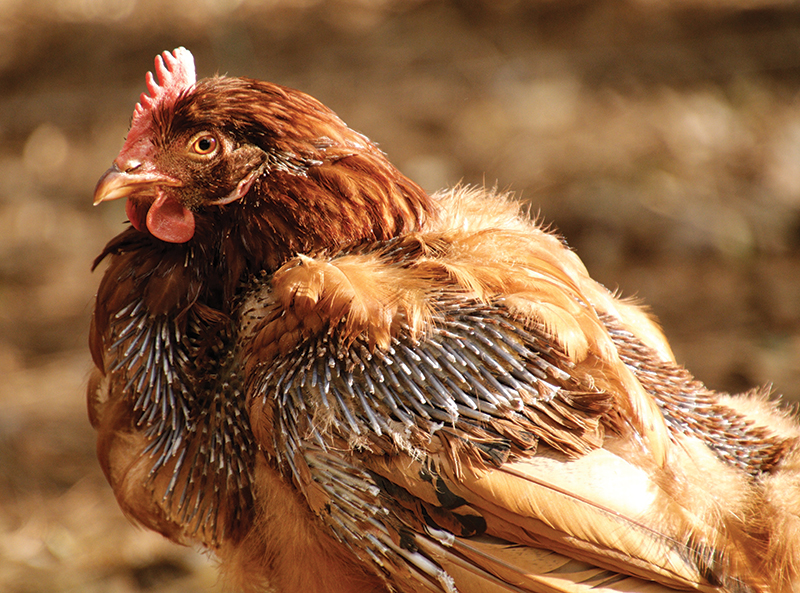
Chickens go through an annual shedding of their old feathers called molting. During this time, chickens replace old, worn-out feathers with new, healthy ones.
What Causes Winter Molting?
Chickens molting in winter can be caused by several things, including stress and the end of the egg-laying season. If a chicken has gone through a severely stressful time, such as a predator attack. This is called a stress molt.
The second cause for chickens molting in winter is being withheld from food and/or water. In most cases, this is caused by a higher-ranking flock member bullying a lower-ranking member, resulting in the victim being unable to eat or drink. This kind of molt is called a force molt.
Whenever possible, forced molts should be avoided, as they are extremely difficult on your flock.
The third and final reason for chickens molting in winter is the annual molt. Many good layers will lay throughout the autumn months and even into the start of winter before finally taking a break to molt.
Keeping Chickens Warm During a Winter Molt
Whenever you have chickens molting in winter, it is important to keep them warm. Feathers act as insulation, so a chicken molting through winter does not have as much insulation and warmth as non-molters.
During cold, windy days, keep molting hens inside to prevent chilling them. On milder, sunny days, allowing hens out in the run for short periods of time to stretch their legs is a good idea to help them stay healthy and keep their spirits up. Set up windbreaks to help protect molting birds from harsh winds.
During the deep freeze of winter, molting hens may need to be moved temporarily inside a predator-proofed garage or basement overnight (never move a chicken inside the main living area to prevent her from overheating). Note: Molting chickens should only be moved temporarily into the garage or basement during extreme cold, as they are much healthier and happier outdoors in the coop with the rest of the flock.
Preventing Frostbite in Molting Chickens
One of the biggest concerns of chickens molting in winter is frostbite. Frostbite often occurs on combs, wattles, and toes, but if a hen has bald patches during a molt, she is more likely to develop frostbite on other parts of her body, too.
Frostbite can be caused by moisture (including buildup inside the coop) or the actual cold and windchill. To prevent hens from frostbite caused by cold and wind chill, keep molting hens inside on cold, windy days. Never allow chickens that are molting in winter outside when there is snow on the ground or when precipitation of any kind is falling. This moisture can make a molting chicken’s exposed skin extremely susceptible to frostbite.
To prevent frostbite caused by moisture buildup inside the henhouse, ensure the coop has a good flow of ventilation without drafts.
Feeding Molting Chickens in Winter
Feeding molting chickens can be challenging, as not all molters want to eat their layer feed. During this time, some experts suggest swapping out the normal layer feed for something with more protein, such as a flock raiser.
The extra protein in the flock raiser boosts protein levels enough to help the molting hen grow new feathers more easily and recover faster from the molt.
Encourage your molting chicken(s) to eat more by supplementing their diet with nutritious treats such as thawed peas, sprouted grains, oats, and black soldier fly larvae. On extra cold nights, sprinkling scratch on the ground before dark is a good way to help your flock stay warm while molting.
Enrichment for Chickens Molting in Winter
Molting hens often seem depressed and withdrawn from the rest of the flock. Although the molt can be hard on their bodies, encouraging them to engage in natural behaviors by providing enrichment can help lift their spirits.
Activities such as spreading straw in the run can boost foraging behaviors, especially when sprinkled on top with wheat kernels or dried bugs.
Adding some treats to your flock’s feeder can also help lift your hens’ spirits and encourage them to consume more of their feed.
Special Considerations for Winter Molting Chickens
1. Winter molts can be particularly hard on older hens, so be sure to keep a close eye on your aging ladies to ensure they are recovering.
2. Never allow chickens molting in winter to free-range, as they are more likely to get picked off by a hungry predator.
FAQ: Chickens Molting in Winter
Why do chickens molt in winter?
Chickens may molt in winter due to stress, bullying, lack of access to food or water, or because they continued laying eggs into late fall and delayed their annual molt.
Is it normal for chickens to stop laying eggs during a winter molt?
Yes. Chickens usually stop laying eggs while molting because their bodies redirect energy from egg production to growing new feathers.
How long does a winter molt last?
A winter molt typically lasts four to twelve weeks, depending on the chicken’s age, breed, and overall health. Older or heritage breeds may take longer to complete a molt.
What should I feed chickens molting in winter?
Molting chickens benefit from higher-protein feed, such as flock raiser or broiler feed, along with protein-rich treats like black soldier fly larvae, peas, or sprouted grains.
Do molting chickens need extra warmth in winter?
Yes. Because they have fewer feathers, molting chickens are more vulnerable to cold temperatures and wind. Wind protection, dry bedding, and proper ventilation are essential.
Can chickens get frostbite while molting?
Yes. Molting chickens are more susceptible to frostbite, especially on exposed skin. Keeping the coop dry and protecting hens from wind and moisture helps prevent frostbite.
Should molting chickens be kept inside during winter?
Molting chickens should be kept inside the coop during cold, wet, or windy conditions. Short outdoor time is fine on mild, dry days.
Final Thoughts
Chickens molting in winter may not be an uncommon occurrence, but with proper care, your flock can thrive through a wintertime molt and be able to resume egg laying in the spring.
This article about chickens molting in winter was written for Hobby Farms and Chickens magazines. Click here to subscribe.