The Cochin chicken is sweet, fluffy and an excellent show bird. This breed offers something for everyone. Whether you are a breeder, fancy fowl enthusiast, backyard chicken owner, or enjoy the show ring, this breed is a must-have.
Key Takeaways
- Cochin chickens are large, fluffy, and docile, making them ideal for families, beginners, and backyard flocks.
- Primarily an ornamental breed today, Cochins were originally developed for meat but are now popular as show birds and pets.
- Moderate egg layers, hens produce about 110–180 brown eggs per year and are reliable winter layers.
- Excellent broodies and mothers, though their large size means eggs and chicks should be monitored closely.
- Cold-hardy but heat-sensitive, Cochins thrive in cooler climates and need shade and fresh water in warm weather.
- Low activity levels can lead to obesity, so provide space and avoid overfeeding.
- Not strong fliers, making them easier to contain but more vulnerable to predators if free-ranging.
- Lifespan averages 5–8 years, with proper care contributing to overall health and longevity.
History of the Cochin Chicken Breed
An Asiatic breed, the Cochin chicken originated in China. The breed was originally named the Shanghai chicken but was later changed to Cochin. In 1840, Cochins were introduced to the West and helped start the “Hen Fever” movement in England and the United States after Queen Victoria received some of these lovely hens as a gift.
Although the Cochin chicken was originally bred for meat, it wasn’t well known until Queen Victoria made it famous. Once its popularity soared, however, the breed became primarily used for ornamental and exhibition purposes in both England and the U.S.
The Cochin chicken joined the American Poultry Association (APA) Standard of Perfection in 1874.
Cochin Chicken Appearance and Size
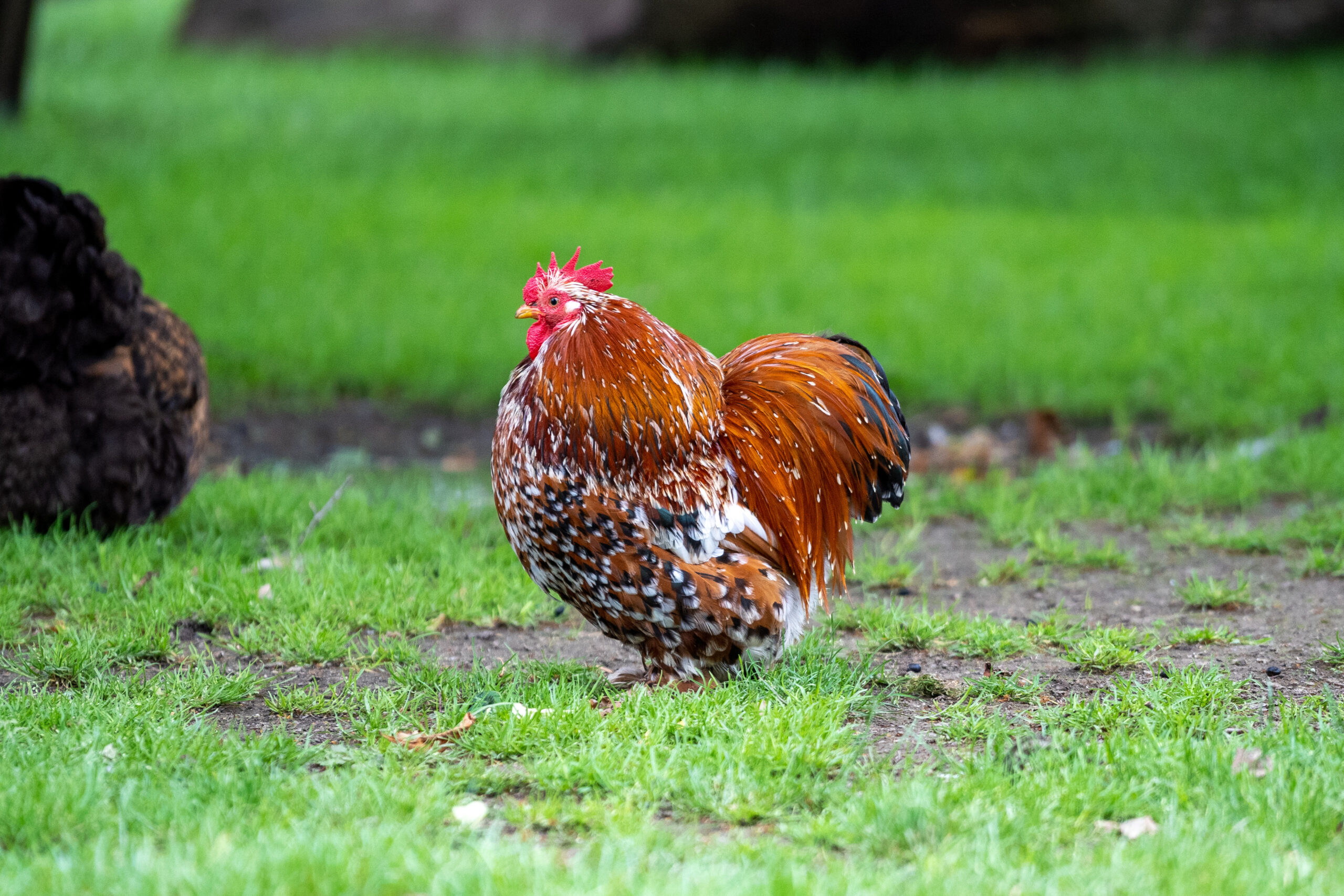
The Cochin chicken is a massive bird, with a rounded, heavily feathered body and feathery legs and feet. These sweet-tempered chickens have the appearance of a feathered heart, a fitting physical attribute to their good-natured personalities.
Their loose, abundant feathering is a little deceiving, as it makes the breed look larger than it actually is. Cochins are short and deep-bodied with a short tail. When in motion, the breed is slow-moving, as the abundance of feathers on their bodies, feet, and legs weighs them down.
Hens and roosters sport small single combs and wattles. The breed comes in both a standard weight and bantam variety.
Weight
- Roosters: 11 lbs
- Hens: 8.5 lbs
- Bantam Rooster 26–30 oz.
- Bantam Hens 22–26 oz.
Cochin Chicken Colors and Varieties
Cochin chickens come in several different color varieties and are known for their striking plumage. The APA recognizes the breed in barred, black, blue, brown, buff, gold laced, partridge, silver laced, and white.
The black, blue, buff, partridge, and white are the most popular of the color varieties. The partridge is especially magnificent, with roosters sporting striking red and black feathers, while hens are a gorgeous brown with black markings.
Are Cochin Chickens Good for Meat?
With their friendly dispositions, it seems impossible that anyone would want to raise Cochin chickens for meat, but that is what the breed was originally intended for. Due to their large, bulky bodies, Cochins produce large amounts of dark meat. While delicious, the dark color of the meat can be a disadvantage if you are looking to sell meat to customers.
Cochin chickens are slow growers, taking five to seven months to reach butchering weight (about seven to nine pounds), so they are not well-suited if you’re looking to earn a steady profit.
Cochin Chicken Egg Production
Cochin hens are fair producers of medium-sized brown eggs. Hens average one hundred and ten to one hundred and eighty eggs annually (about three to four eggs a week).
The breed is known for being a steady, dependable winter layer, producing eggs even when other breeds have ceased production.
Hens of this breed often go broody and make excellent broodies and mothers. However, due to their large size, they can easily crush eggs and chicks, so be sure to monitor the nest carefully.
How Long Do Cochin Chickens Live?
While some sources report these massive chickens to live up to ten years, the average lifespan of the Cochin chicken is considered five to eight years.
Common Health Issues in Cochin Chickens
The Cochin chicken is generally considered a healthy breed. Due to their lower egg output, Cochin hens are not prone to many of the reproductive diseases that many brown egg layers succumb to.
Due to their “lazy” nature and heavy body styles, the breed can be prone to obesity, so care should be taken to avoid overfeeding. Allow a large coop and run so they can exercise. While they need to exercise, Cochins should never be allowed to free-range unless directly supervised, as they are picked off easily by predators.
While the breed is extremely cold-hardy, it doesn’t fare well in hot, humid climates and does not tolerate warm regions. During the summer months, be sure to provide plenty of fresh, cool water and a shady coop and run to keep these gentle giants comfortable.
Cochins are also more susceptible to external parasites, including scaly leg mites.
Cochin Chicken Temperament and Personality
Famous for its calm and friendly disposition, the Cochin chicken has an exceptionally gentle nature, making it ideal for families with kids. Both hens and roosters love to interact with their human family and also enjoy sitting on their owner’s lap.
As with all breeds, the Cochin chicken does best when handled daily from chickhood and continued throughout its adult life. They enjoy following their owners around and will seek you out if they want attention. Cochins are highly trainable and are capable of learning to come when called and performing simple tricks.
In the coop, they tend to get along well with other chickens, but they can be picked on by more aggressive breeds.
Cochin Chicken FAQs
Are Cochin chickens good for beginners?
Yes. With their calm, placid nature, the Cochin chicken is an excellent breed for beginners.
Do Cochin Chickens Fly?
No. Cochin chickens are not strong fliers. Potential owners should bear this in mind when constructing the coop, as nesting boxes and perches should be kept low to the ground.
Due to their lack of flying abilities, Cochin chickens are also more prone to being picked off by a predator, so the breed is not a good option for those looking to free-range their flocks
How many eggs do Cochins lay?
Hens are moderate layers, averaging 110–180 eggs annually. Egg production is highest in winter.
Do Cochins go broody?
Yes. Cochin hens are excellent broodies and mothers and often go broody several times throughout the year. If you are looking for a standard hen to hatch and raise young, the Cochin chicken is an excellent choice.
Do Cochins do well in heat?
No. Due to their heavy feathering and plump bodies, Cochin chickens do not tolerate heat well. During the summer months, be sure to provide plenty of fresh water, hydrating treats, and a shady run to help them beat the heat.
Final Thoughts on the Cochin Chicken
The Cochin chicken is an excellent winter layer and addition to the backyard coop. With their sweet, docile personalities, there is a lot to love about these gentle giants.
This article was written for Hobby Farms and Chickens magazines. Click here to subscribe.