Call ducks are the smallest domestic duck breed, instantly recognizable for their compact bodies, round heads, and famously loud voices. Originally developed in the Netherlands, these tiny ducks were once used as live hunting decoys because of their persistent, high-pitched quacking.
Today, this duck is no longer part of hunting practices, but they remain one of the most popular ornamental and exhibition duck breeds. Their appeal goes far beyond size. These ducks are bold, social, and full of personality, making them a favorite among poultry keepers who want a small but lively addition to the flock.
Despite weighing only around 1.5 to 2.5 pounds, the call duck is anything but quiet or delicate in spirit. They are active, intelligent, and highly interactive birds that quickly bond with their caretakers when raised properly.
Key Takeaways
- Call ducks are the smallest domestic duck breed, originally developed in the Netherlands as live hunting decoys.
- They are known for their compact size, loud vocalizations, and distinctive “rubber duck” appearance.
- Call ducks are fair egg layers, producing about 75 eggs per year, but excel as broody mothers.
- They are highly social, intelligent, and can form strong bonds with people when hand-raised.
- Due to their size, they are more vulnerable to predators and can fly, requiring secure, enclosed housing.
- With proper care, call ducks typically live 6 to 10 years, sometimes longer.
Call Duck: History and Origins
Nicknamed “decoy ducks,” call ducks have an unknown history and are believed to have been first developed in the Netherlands to be living decoys in the early nineteenth century.
Call ducks were selectively bred for their small size and loud calls, making them effective living decoys in traditional waterfowl hunting. Hunters carried female calls inside their pockets, as their loud, incessant quacking helped bring wild ducks within the hunter’s shooting range.
In later years, hunters tethered call ducks in fields to make their hunting spot look more realistic to lure even more wild ducks to the hunting grounds.
The call duck was widely known in the nineteenth century in several countries, including England and the United States. They were so popular in England that the breed became one of the first four ducks to be recognized in the British Standard of Perfection and was admitted to the American Poultry Association (APA) Standard of Perfection in 1874.
However, the breed quickly lost favor and popularity in 1935 when the ban on using live decoys came into effect.
Today, this is one of the most favored breeds for both showing and pets.
Call Duck: Appearance and Size
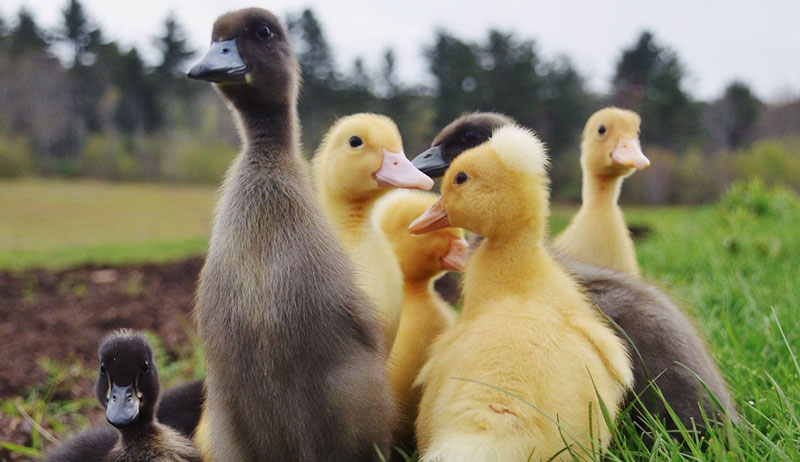
Call ducks look like rubber ducks, with their round heads and bodies and short, rounded bills. Their eyes are large and dark, aiding in their rubber duck look that many people find adorable.
Lacking the long, graceful necks many domestic ducks feature, the call duck sports a very short and rounded neck. The legs are also shorter than those of other domestic breeds.
Calls come in a wide array of colors, with white being the most popular. However, the APA only recognizes eight varieties: Blue Bibbed, Blue Fawn, Buff, Butterscotch, Gray, Pastel, Snowy and White.
The smallest of the domestic duck breeds, call ducks rarely tip the scales over two and one-half pounds, with some individuals weighing only one and one-half pounds.
Call Duck: Egg Laying Ability
Call duck females are fair layers, averaging about seventy-five white, green, or tinted eggs annually. Females are seasonal layers, often producing eggs only in the spring.
What they lack in quantity, however, they make up for in mothering abilities, as call duck females make excellent broodies and mothers.
Call Duck: Temperament and Personality
Call ducks make excellent pets. Chatty and talkative, they have friendly and bold personalities, enjoy interacting with humans, and, when hand-raised, love to snuggle with their favorite person.
Intelligent and interactive, these tiny ducks are easy to train and entertaining to watch. They respond well to learning their names and following simple commands such as coming when called. Full of character, call ducks are fun to watch, as they never cease to entertain with their antics.
These ducks are known for building a close bond with their human family and making a lively pet for the whole family. Note: While they are friendly and gentle with kids, these ducks may not be the best option for families with small children, who could easily injure them.
Call Duck: Health Issues and Care
Call ducks are generally healthy once they get started in life. As ducklings, the breed can be delicate and challenging to get started and requires some additional TLC to help them thrive.
Like all domestic ducks, they can suffer from external and internal parasites, botulism, leg injuries, metal poisoning, and nutritional deficiencies.
Male call ducks also suffer more from phallus prolapses than other domestic duck breeds. Drakes suffering from this injury should not be used in a breeding program, as this serious condition is hereditary.
If a drake experiences this disorder, isolate it from the rest of the flock and seek veterinary help. Do not breed the drake’s offspring (males and females), even if they are not showing any symptoms of carrying this condition.
How Long Do Call Ducks Live?
With proper care, nutrition and kept safe from predators, these ducks live an average of six to ten years. However, some individuals can live even longer.
Call Duck Care Considerations and Housing
Due to their small size, call ducks are at a higher risk of predation than other larger duck breeds. To protect them from predator attacks, house call ducks in a completely predator-proof coop and run.
Another downside to their small size is that call ducks can and do fly, so be sure to avoid free-ranging and house them in an enclosed run with a roof to keep them home.
Despite their tiny bodies and friendly disposition, these ducks should not be kept as house pets. Like other domestic waterfowl, they really do belong outside and will be much healthier and happier in a snug, safe barn.
Their loud, boisterous quacking can be a disadvantage to owning call ducks if you have close neighbors.
Frequently Asked Questions
Are call ducks good pets?
Yes. Call ducks are friendly, social, and enjoy human interaction, especially when hand-raised. They are often kept as companion animals or ornamental birds.
Do call ducks make a lot of noise?
Yes. Call ducks are known for being very vocal, particularly females. Their loud quacking is one of the traits that originally made them useful as decoy ducks.
How big do call ducks get?
Call ducks are the smallest domestic duck breed, typically weighing between 1.5 and 2.5 pounds when fully grown.
Can call ducks fly?
Yes. Despite their small size, these ducks can fly and should be kept in enclosed or covered runs to prevent escape.
How many eggs do call ducks lay?
They lay around 75 eggs per year on average, usually in seasonal cycles during spring.
Are call ducks hard to care for?
They are not difficult once established, but ducklings can be delicate and require careful brooding and protection from predators.
What colors do call ducks come in?
Recognized varieties include White, Gray, Blue Bibbed, Blue Fawn, Buff, Butterscotch, Pastel, and Snowy.
Final Thoughts
While they may be small, these ducks bring a big presence to any flock. From their unique history as decoy birds to their modern role as show and companion ducks, they have earned a lasting place in poultry keeping.
Their compact size, expressive personalities, and strong bonding behavior make them especially appealing to those looking for an interactive and ornamental breed. However, their care does come with important considerations. Call ducks require secure housing due to their ability to fly and vulnerability to predators, and their loud vocalizations may not suit every setting.
For keepers who can meet their needs, these ducks offer a rewarding experience filled with activity, personality, and charm. Whether kept for exhibition or as backyard companions, these tiny ducks continue to stand out as one of the most distinctive domestic waterfowl breeds.
Enjoyed learning about this duck breed? Subscribe for more poultry profiles, homestead guides, and backyard flock tips.