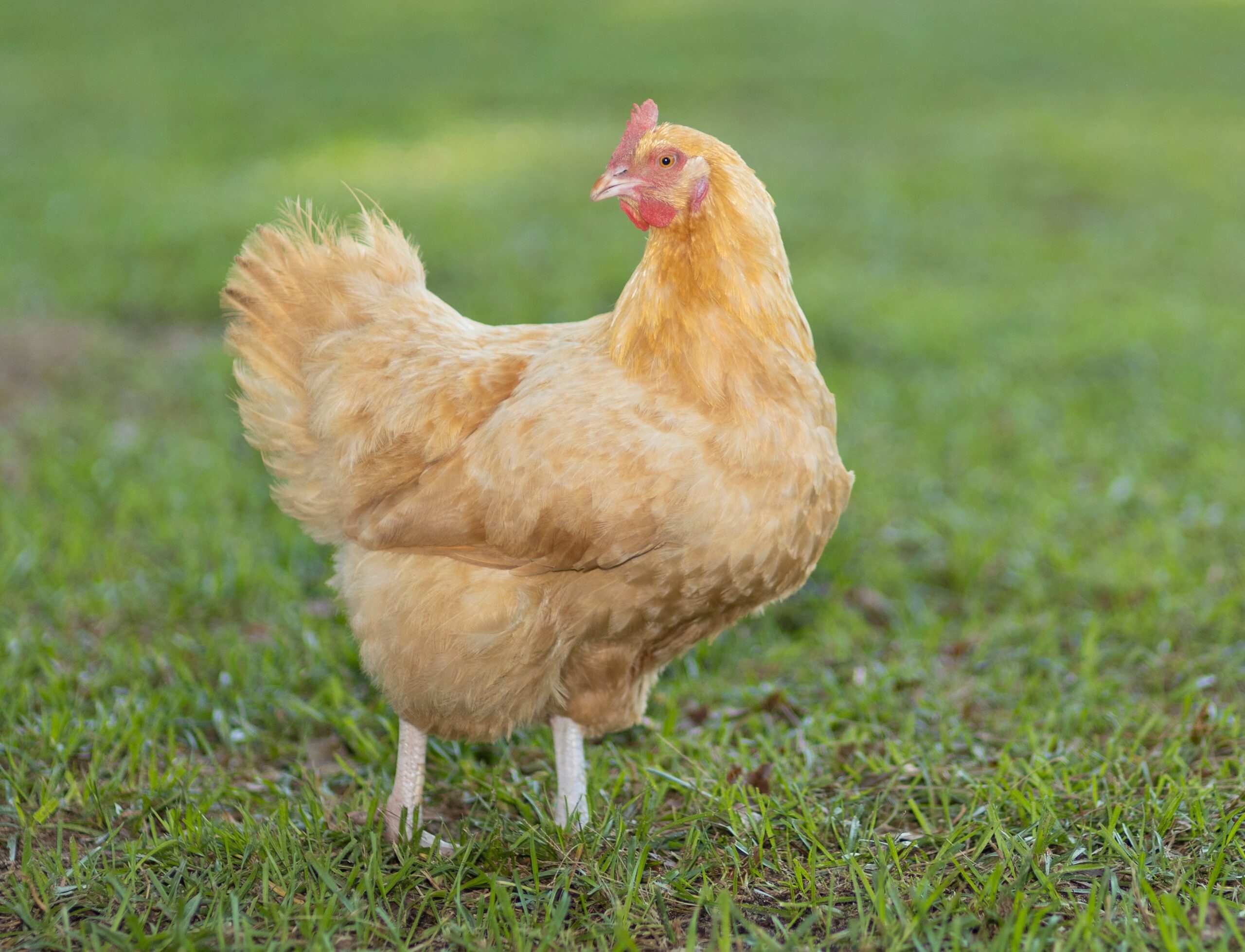
The Catalana chicken is an active forager and a reliable dual-purpose breed, prized for both egg production and flavorful meat. Known for its heat tolerance and independent nature, this rare Mediterranean breed is an excellent choice for experienced poultry keepers looking to add a hardy, historic chicken to their flock while helping preserve a critically endangered line.
Key Takeaways
- Rare, dual-purpose Mediterranean breed
- Excellent foragers; prefer free range
- Heat-hardy, not cold-tolerant
- Lay ~150–240 white eggs annually
- Flighty temperament; not ideal for beginners
- Listed as “Critical” by The Livestock Conservancy
Catalana Chicken Origin and History
Nicknamed “Prat,” the Catalana chicken was first developed in Catalonia, Spain (just southwest of Barcelona, in a small farming region commonly known as “El Prat”). Unlike other chicken breeds that are named after the town or county where they originate, the Catalana chicken earned both its name and its nickname through its humble beginnings.
The breed was developed over a long period of time (presumably in the nineteenth century) from a native landrace breed and Asian stock (possibly Cochins). Despite their partial Asian history, the Catalana chicken is still considered a landrace breed.
Catalanas made their first debut at a show in Spain in 1902 and soon started attracting a small following in America and Canada. The breed was later admitted to the American Poultry Association (APA) Standard of Perfection in 1949.
Catalana Chicken Conservation Status
The Catalana chicken is still relatively rare in the United States and is listed as “Critical” according to The Livestock Conservancy. This means there are fewer than two hundred breeding Catalana chickens in the U.S. and less than two thousand worldwide.
Catalana Chicken Appearance and Color
The Catalana chicken is a beautiful, medium-sized breed, with hens and roosters showcasing lovely buff feathers. The buff color can vary from a light buff to a deep golden red.
Both hens and roosters have black tail feathers with an iridescent green sheen. Roosters also sport black feathers with a beetle-green sheen on their sickles. The feathers on the rooster’s hackles, back, and saddles should be a reddish buff, while the rest of the body should be covered in light buff feath
The comb on a Catalana hen should be medium-sized and flop over. Roosters feature large, upright combs with six distinct points. Both hens and roosters have medium-large wattles, white earlobes, blue slate feet and legs, and horn-colored beaks.
Chicks hatch with a buffish color and may sport a light chipmunk stripe down their backs.
Pro Tip: Full-grown Catalana roosters are eight pounds and hens are six pounds.
Catalana Chicken Temperament and Behavior
The Catalana chicken is alert, active, and hardy. They thrive best in a free-range environment and prefer little human interaction. Like the other Mediterranean breeds, Catalanas thrive in hot climates.
These intelligent chickens enjoy perching high in the trees and need to be trained to go into the coop at night to protect them from predators. They are strong flyers and excel at foraging. Despite their excellent foraging abilities, the Catalana chicken still requires twice-daily feeding for maximum egg and meat production.
Catalanas are not a good choice for the novice or children, and their flighty disposition puts them at a disadvantage for a family pet. While they can be trained to tolerate being handled, the breed is happiest when left alone.
Free Range or Confinement?
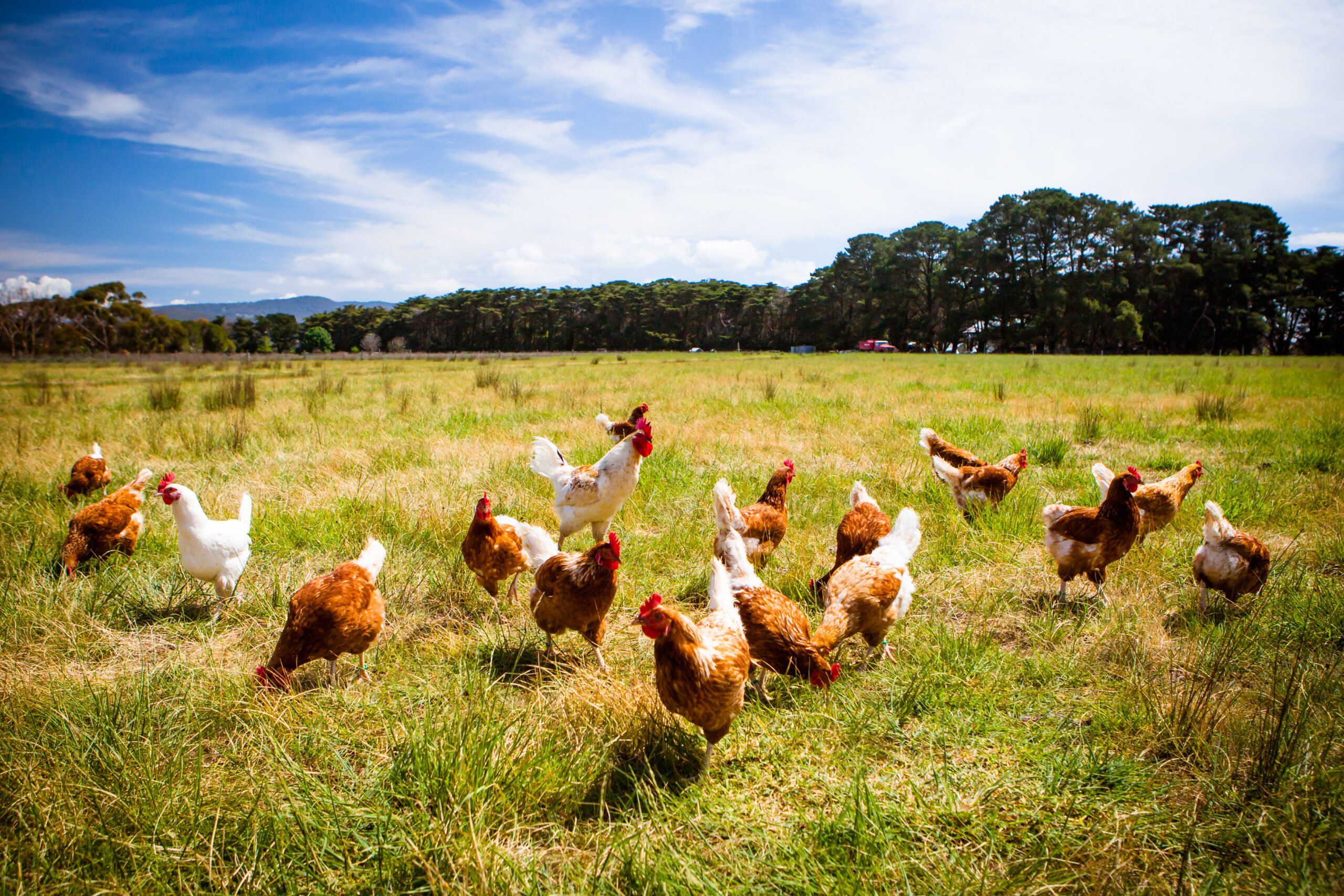
The Catalana chicken is not well-suited for life inside the henhouse. They can tolerate confinement during winter when temperatures dip below freezing, but if left to their own devices, they prefer to free range over spending their day in a covered run.
Catalana Chicken Egg Production
The Catalana chicken is a good layer of medium-sized white or light pink eggs. Hens produce an average of one hundred and fifty to two hundred and forty eggs annually (about three to five eggs a week). Extremely heat-hardy, Catalana hens are one of the best egg producers for those living in hot climates.
Catalanas are considered a non-broody breed, but some individuals have been reported to go broody. As a whole, hens are more content to keep laying through the dog days of summer than to hatch out young.
Most pullets reach the point of lay between the ages of eighteen and twenty-four weeks. But some pullets start laying as early as sixteen weeks of age, while others hold off until the age of twenty-eight weeks before producing the first egg.
Catalana Chicken Meat Quality
Catalana chickens make wonderful table birds, as their succulent meat is reported to have an excellent taste. Both culled layers and cockerels are reported to have a good carcass. The cockerels are such good table birds; they have been used in Spain to produce high-quality capons (castrated roosters).
Pro Tip: The average lifespan of a Catalana chicken is five to eight years.
Catalana Chicken Health and Care
The Catalana is an extremely hardy breed and is not prone to many health concerns. While they can succumb to common chicken diseases and external and internal parasites, the breed’s only known health concern is frostbite.
To protect the Catalana chicken’s large comb and wattles from becoming frostbitten, the breed should be confined to the coop during cold weather. Combs and wattles can be coated with coconut oil or other poultry-safe ointment to prevent frostbite.
Due to their intolerance to cold weather, if you live in a colder climate, adding a heater to the coop may be the best option to keep these heat-hardy chickens happy.
Is the Catalana Chicken Right for You?
The Catalana chicken is a wonderful choice for those looking to raise an independent, dual-purpose breed. Adding even one of these rare chickens to your flock today will not only provide food for your table, but it will also help preserve a rare breed for the future.
Frequently Asked Questions
Are Catalana chickens friendly?
Catalana chickens are not known for being especially friendly or docile. They are active, flighty birds that prefer minimal human interaction, making them better suited for experienced poultry keepers than families with children.
How many eggs do Catalana chickens lay per year?
Catalana hens typically lay between 150 and 240 medium-sized white or light pink eggs annually, averaging about three to five eggs per week.
Are Catalana chickens good for cold climates?
No, Catalana chickens are not well-suited for cold climates. As a Mediterranean breed, they are heat-hardy but prone to frostbite, especially on their large combs and wattles, so extra care is needed in winter.
Do Catalana chickens go broody?
Catalana chickens are generally considered non-broody. While some hens may occasionally go broody, most will continue laying eggs rather than sitting on them.
Are Catalana chickens good for beginners?
Catalana chickens are not ideal for beginners due to their independent nature, strong flying ability, and preference for free-ranging. They require attentive management and secure housing.
Are Catalana chickens good for meat production?
Yes, Catalana chickens are a dual-purpose breed valued for both egg production and flavorful meat. Cockerels, in particular, are known for producing high-quality table birds.
This article about the Catalana chicken was written for Hobby Farms and Chickens magazines. Click here to subscribe.