A post hole digger and an auger can both tackle deep, narrow holes for farm and garden projects, but each tool has its own strengths. While powered augers are often the faster option for large jobs, a manual post hole digger remains a practical and dependable choice for many small-farm tasks.
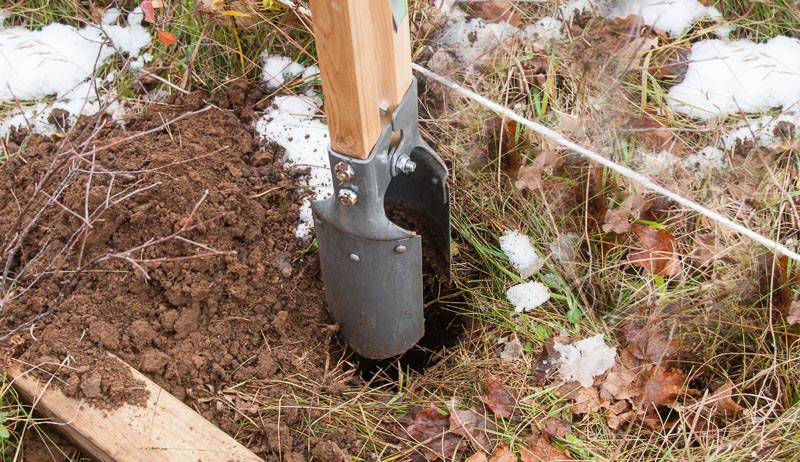
Made with two long handles connected to paired digging blades, a post hole digger is designed to remove soil quickly while giving users precise control over the size and placement of a hole. From replacing fence posts to installing garden trellises, this simple hand tool offers several advantages that still make it valuable for hobby farmers and homesteaders today.
Key Takeaways
- A post hole digger is ideal for small fence and garden projects.
- Manual diggers require no fuel or engine maintenance.
- Post hole diggers are lightweight, portable and easy to store.
- Augers are faster for large projects, but hand tools work well for precise digging.
Manual Diggers Don’t Need Gas
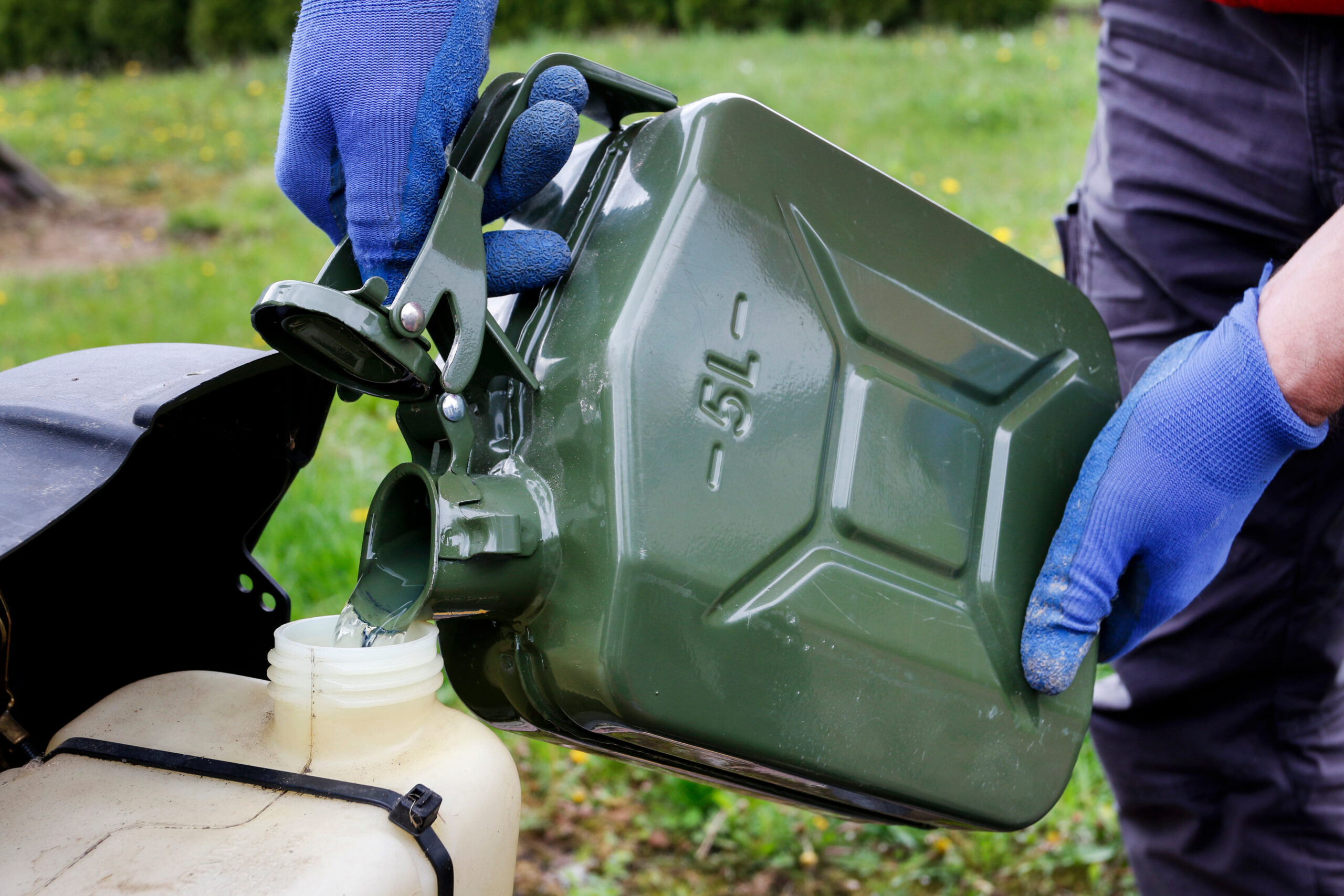
A handheld auger, like any machine with a small engine, requires routine maintenance and a steady supply of fuel. Whereas an auger can run out of gas at an inconvenient time—like when you’re at the far edge of a pasture and a quarter mile from your tool shed—an old-fashioned post hole digger runs on manpower. If you provide the power, the post hole digger will do the rest.
A Post Hole Digger Is Easy To Use
Some augers can be heavy and difficult to control, requiring more than one person to use. This is far from the case with a simple post hole digger, which can be used by a single person and requires no special effort to prepare. You simply pick it up and start digging.
Post Hole Diggers Are Easy To Transport
Machines like augers require a certain amount of care to avoid damage, but a post hole digger is essentially two shovels connected together—you’re not going to easily damage it, so don’t hesitate about throwing it in a wagon or the back of a pickup truck.
When a Post Hole Digger Works Better Than an Auger
Picture these scenarios: An old fence post has rotted and broken off at the base, requiring a new post to be installed. Or you’re building a fancy trellis for your garden and want to put a couple of large posts in the ground. You could fire up an auger to dig the needed holes, but for simple tasks like these, post hole diggers can be more convenient and help you complete the job without much effort on your part. And if your auger isn’t a handheld model and is instead mounted on your tractor, then a post hole digger might be the only option for digging holes in small, delicate spaces like a garden.
Frequently Asked Questions
What is a post hole digger used for?
It is used to create narrow, deep holes for fence posts, trellises, signs and other outdoor projects.
Is a post hole digger better than an auger?
Yes. It is often better for small projects, tight spaces and quick repairs, while augers are more efficient for digging many holes at once.
How deep can a manual post-hole digger dig?
Most can handle holes several feet deep, depending on soil conditions and user effort.
Can one person use a manual digger?
Yes. Most are designed for single-person use.
Do post hole diggers work in rocky soil?
They can work in lightly rocky soil, but large rocks and compacted ground may make digging more difficult.
Even though augers are still the better tool for large-scale projects requiring dozens of holes to be dug, a manual digger can be a great tool to have on hand for smaller projects.
This article was written for Hobby Farms and Chickens magazines. Click here to subscribe.