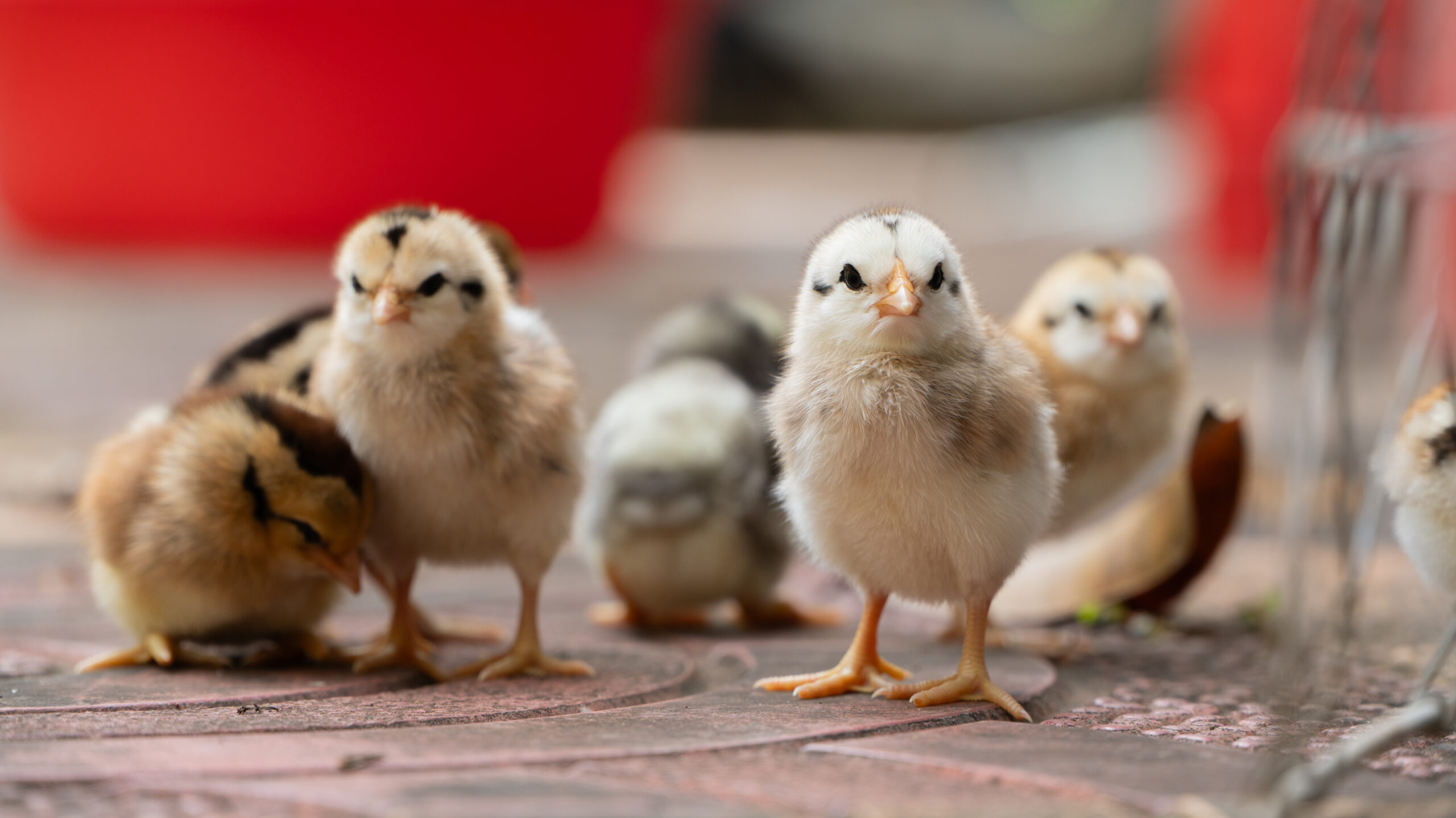
Wondering when chicks can go outside? Summer may seem like the perfect time to introduce baby chicks to the outdoors, but warm weather doesn’t automatically make it safe. Young chicks still need protection from cool nights, excessive heat, rain, wind, and predators. Knowing when it’s safe to let chicks outside—and how to prepare their environment—helps them grow into healthy adult chickens.
Key Takeaways
- Most chicks can begin spending supervised time outdoors at about 3 weeks of age when daytime temperatures are around 85°F, but they should return to a warm, secure shelter at night until fully feathered.
- Newly hatched chicks require supplemental heat, even in summer, until they are fully feathered at around 8 weeks of age.
- Shade, fresh water, ventilation, and protection from rain and strong winds are essential for keeping chicks healthy outdoors.
- Never allow young chicks to free-range, as they are especially vulnerable to predators.
- Introduce chicks to the outdoors gradually and always monitor weather conditions before taking them outside.
Is It Warm Enough for Chicks to Go Outside?
When raising chickens in the summer, the answer may seem like an obvious yes, but chicks require a steady temperature of 95°F to keep them warm for the first week of life. Temperatures are then decreased by five degrees each week until chicks are fully feathered (about two months old).
While it may reach 95°F on a summer afternoon, overnight temperatures will fall considerably below this mark, making it essential for young chicks to move to adequate shelter with a supplemental heat source (i.e., a heat lamp or brooder heat plate) to keep them warm.
Note: If housing chicks indoors, be sure to keep them away from air conditioners and central air vents to prevent them from becoming chilled.
Protect Chicks from Summer Heat
Another thing to keep in mind when raising chickens in the summer is the hot sunshine. While baby chicks do require a warm environment (see above), too much direct sunlight can cause them to overheat.
Without insulating feathers to protect themselves, baby chicks can not regulate their own body heat. This means that they can die from overheating just as easily as they can from becoming too cold. When forced to spend time out in the hot sunshine, baby chicks are very susceptible to heat-related illnesses and deaths.
Always provide chicks with a run that is both shaded and has some access to sunshine at all times to ensure they do not become too cold or too hot.
Provide Fresh Water for Outdoor Chicks
When raising chickens in the summer, be sure to add multiple water sources to the coop and run to ensure all flock members are getting enough to drink. Position waterers in the shade and change water at least twice daily to keep water cool and fresh.
Give Outdoor Chicks Proper Ventilation
To keep chicks comfortable, be sure to allow plenty of ventilation in the brooder, coop, and run. Vents should be positioned above the chicks and should not be drafty.
Protect Chicks from Strong Winds
Baby chicks allowed outside in strong winds risk the chance of being knocked over and even blown a few inches. Even without being blown about, chicks often find strong winds to be upsetting.
When raising chickens outside in summer in windy climates, be sure to add wind blockers onto the chicken tractor or run to protect chicks from becoming windblown.
Note: On windy days, be sure to take the added wind chill into consideration when deciding if temperatures are too cold to allow chicks outdoors.
Keep Chicks Dry During Rainstorms
Rain and thunderstorms are some of the downsides to raising chickens in the summer outdoors. During thunderstorms and rainy days, it is best to keep chicks indoors to prevent them from becoming wet and chilled.
Wet, chilled chicks are much more susceptible to diseases, including aspergillosis, bumblefoot, coccidiosis, colibacillosis, infectious bronchitis, chronic respiratory disease (CRD), and other respiratory conditions.
Even when chicks are not physically getting wet, the damp ground can still make them sick, and in many cases the temperature drop during thunderstorms is hard for a chick’s body to withstand.
Protect Outdoor Chicks from Predators
When raising chickens in the summer outdoors, predators can be a big concern. Like adult chickens, baby chicks face many predators, including birds of prey, raccoons, foxes, coyotes, and even neighborhood dogs and cats. However, chicks face other predators that are often too small to hunt adult chickens. These include egg predators such as rats, snakes, skunks, and opossums.
To protect chicks from predators, house them in a completely predator-proof coop and run. Ensure all gaps, openings (i.e., rafter openings, windows, etc.), and walls and roof of the run are covered in half-inch, 16-gauge hardware cloth. Attach predator skirts to the perimeter of the run and coop to prevent digging predators from accessing the coop and run.
When choosing an outbuilding to overnight chicks in, choose a building that is completely predator-proofed and has a sturdy concrete floor.
Never allow baby chicks to free-range, as they can be easily picked off by birds of prey and ground predators.
When Can Chicks Go Outside?
When raising chicks in the summer, it might be tempting to put them outdoors as soon as they arrive home, but this is not recommended. Chicks vaccinated from Marek’s disease must wait fourteen days (two weeks) since hatching to set foot outdoors. This gives the vaccine enough time to start working fully to protect chicks from this potentially fatal disease.
As a general rule of thumb, when raising chickens in the summer, chicks should be able to start spending the day outdoors around three weeks of age when outdoor temperatures hover around 85°F.
Chicks should be housed in the house or a predator-proofed outbuilding overnight. Bring young chicks back into the brooder an hour or so before sunset to prevent them from piling onto each other and causing suffocation (chick piling is a behavior young chicks do when they become frightened by something such as a fox barking).
Frequently Asked Questions
At what age can chicks go outside?
Most chicks can begin supervised outdoor time around 3 weeks of age when temperatures are warm, but they still need protection from weather and predators. They should gradually spend more time outdoors as they mature and remain in a warm, secure shelter overnight until fully feathered.
What temperature is safe for chicks to go outside?
Chicks can begin spending time outdoors when daytime temperatures are around 85°F and they are at least 2 to 3 weeks old. However, temperatures, wind, shade, and weather conditions should all be considered before moving chicks outside.
How can I tell if chicks are too hot or too cold?
Chicks that are too cold will often huddle together, peep loudly, and appear uncomfortable. Overheated chicks may pant, spread their wings away from their bodies, become lethargic, or have pale combs and wattles. Watching chick behavior is one of the best ways to determine whether their environment is comfortable.
How do I keep chicks cool outside in summer?
Provide chicks with shade, fresh water, and good ventilation to help prevent overheating. Position outdoor housing away from direct afternoon sun when possible, and avoid overcrowding, which can make chicks warmer and more stressed.
Do chicks need water outside?
Yes. Chicks spending time outdoors should always have access to clean, fresh water. Place waterers in shaded areas and refresh them regularly to keep water cool and prevent contamination.
Can chicks stay outside overnight in summer?
Young chicks should not stay outdoors overnight until they are fully feathered and can regulate their body temperature. Even during summer, nighttime temperatures can drop low enough to chill young birds. Until chicks are fully feathered, provide a warm, secure shelter at night.
When Can Chicks Go Outside: Final Thoughts
Knowing when chicks can go outside is an important part of raising healthy chickens. While summer temperatures can make outdoor time easier, young chicks still need protection from heat, cool nights, rain, wind, and predators. By providing a safe, comfortable outdoor environment and gradually introducing chicks to the outdoors, you can help them transition from the brooder to the coop with confidence.
Want more expert advice for raising a healthy, happy flock? Subscribe to Chickens magazine for practical tips on poultry care, coop management, breeds, nutrition, and more delivered right to your door.