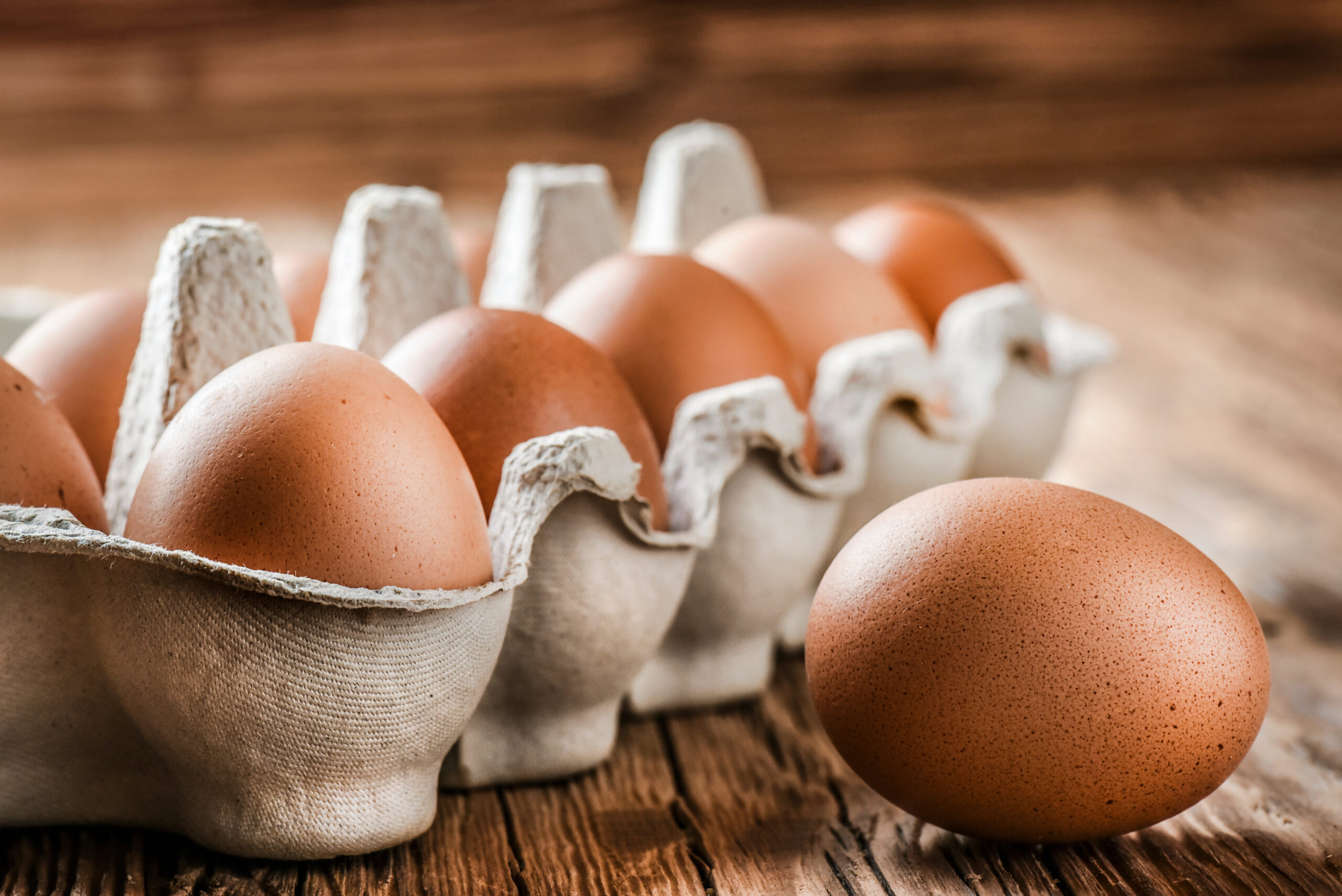
A lot of people ask me about reusing egg cartons. I was reminded of this recently when I returned home to find a plastic bag hanging from the knob of my front door. Alarm bells went off in my head: it wasn’t a mail delivery, and I wasn’t expecting anything. I told the kids to stay back, approached carefully, and unhooked the bag. Inside were about a dozen colorful egg cartons, neatly stacked and clearly saved with good intentions.
Some generous soul had gone out of their way to collect these cartons and deliver them to our farm. As someone who composts and recycles diligently, I appreciated the gesture—and then promptly put the entire stack into the compost bin.
Despite their good intentions, many people don’t realize that egg cartons are considered one-time-use packaging. Reusing them can pose food-safety risks and, in some cases, violate state egg-labeling laws. Knowing when egg cartons can be reused—and when they shouldn’t be—is key to handling them safely and responsibly.
Why Reusing Egg Cartons for Eggs Is Unsafe
Few members of the egg-consuming public understand that, once used, an egg carton should not be reused and should be discarded. According to the U.S. Department of Agriculture’s Food Safety and Inspection Service, egg cartons are considered one-time-use packaging, similar to foam meat trays and plastic wrap. Reusing this type of packaging can cause cross-contamination with whatever foods they next contain. This is especially true with farm-fresh eggs, which are not pasteurized, often remain unwashed to preserve their natural bloom and can become contaminated with Salmonella before their shells even develop. The bacteria on and within eggs can pass into a paper-pulp egg carton and, from there, onto the next set of eggs placed inside.
Cartons and State Labeling Laws
Aside from health factors, egg cartons are also subject to state laws. The Michigan Egg Law Act, for instance, requires that all egg cartons be labeled with the name and address of the egg farmer, the egg size, the last date of sale for the eggs and the USDA’s safe handling label. And that’s the minimum. Furthermore, false or misleading labeling is prohibited. Egg cartons from supermarkets are usually billboards for egg producers. Covering all the print and designs on each carton would be time-consuming and ultimately not worth the effort, especially not when a brand-new carton costs around 50 cents. Egg-packing laws probably differ by state, so be sure to contact your state’s agriculture department to learn what applies to you.
Safe Ways to Reuse Egg Cartons
Personalized Cartons
Your customers probably won’t know that egg cartons cannot be reused. They might bring you a stack of cartons—some not necessarily yours—pleased that they’re being environmentally friendly. Smile, thank them, and by all means don’t lecture them about USDA egg-carton regulations (unless they’re your siblings or lifelong buddies). You can ask whether they would like these cartons to be designated as their cartons, for their specific use only. Most customers like the idea of having designated egg cartons. Use a permanent marker right there to mark the carton with the customer’s name. The person will probably be so excited about going green with the personalized carton as to request an on-the-spot refill.
Cartons as Compost Fill
Paper-pulp egg cartons are 100 percent compostable as brown/dry matter. You can put the cartons directly into your compost bin or heap, or take a few moments to tear, shred or otherwise render them into smaller pieces. Please note that polystyrene (styrofoam) egg cartons are not compostable and should be discarded.
Using Egg Cartons as Seed Starters
Their compostable nature and tidy dividers make paper-fiber egg cartons ideal for starting seeds. Poke a couple of small holes into the bottom of each egg cup, then fill 3/4 of each cup with potting soil. Plant your choice of seeds, and keep the egg carton watered and in a sunny, safe spot. When your seedlings are ready for transplanting, cut the egg cups apart, then place the seedling, egg cup and all, in your prepared garden bed.
Unsafe Uses When Reusing Egg Cartons
Unfortunately, many potential uses for old egg cartons are just bad ideas. Some of them are below.
- Christmas-ornament organizers
- Jewelry holders for earrings, rings, cuff links and charms
- Desk organizers for paper clips, rubber bands and so on
- Sewing organizers for needles, thread and buttons
- Loose-coin sorters
Most importantly, never donate them to schools, preschools and adult-care centers for use in arts and crafts. Young children and the elderly are especially susceptible to Salmonella and should not handle used egg cartons. This threat is so serious that the Israel Health Ministry banned the donation of them at nursery schools, kindergartens and elementary schools. Consider donating brand-new, clean cartons for their artistic enjoyment instead.
FAQ
Can egg cartons be reused for fresh eggs?
No. According to USDA food-safety guidance, egg cartons are considered one-time-use packaging. Reusing them can spread bacteria such as Salmonella from one batch of eggs to the next, especially when eggs are unwashed and retain their natural bloom.
Are all egg cartons compostable?
Paper-pulp egg cartons are fully compostable and make excellent brown material for compost piles. Polystyrene (styrofoam) cartons, however, are not compostable and should be discarded according to local waste guidelines.
Is it safe to reuse egg cartons for crafts or storage?
Used egg cartons should not be reused for crafts, storage, or donation to schools or care facilities. Children and older adults are especially vulnerable to foodborne illness. Only new, unused cartons should be used for these purposes.
Can egg cartons be used for starting seeds?
Yes. Clean, paper-fiber egg cartons work well as biodegradable seed starters. Once seedlings are ready to transplant, the individual cups can be planted directly into the garden.
Although egg cartons may look sturdy enough for repeated use, they aren’t designed for it. Food-safety concerns, cross-contamination risks, and labeling laws all point to the same conclusion: used egg cartons should not be reused for eggs. Fortunately, paper-pulp cartons still have value when composted or repurposed for gardening, allowing you to handle them responsibly without putting people—or poultry—at risk.
This article about reusing egg cartons was written for Hobby Farms and Chickens magazines. Click here to subscribe.