Chicken egg questions come up all the time from new chicken keepers to seasoned backyard chicken veterans. To help more chicken-keepers at once, here are 10 of the most common egg-related questions in one place. Let’s get cracking!
1. Are Brown Eggs Healthier Than White Eggs?
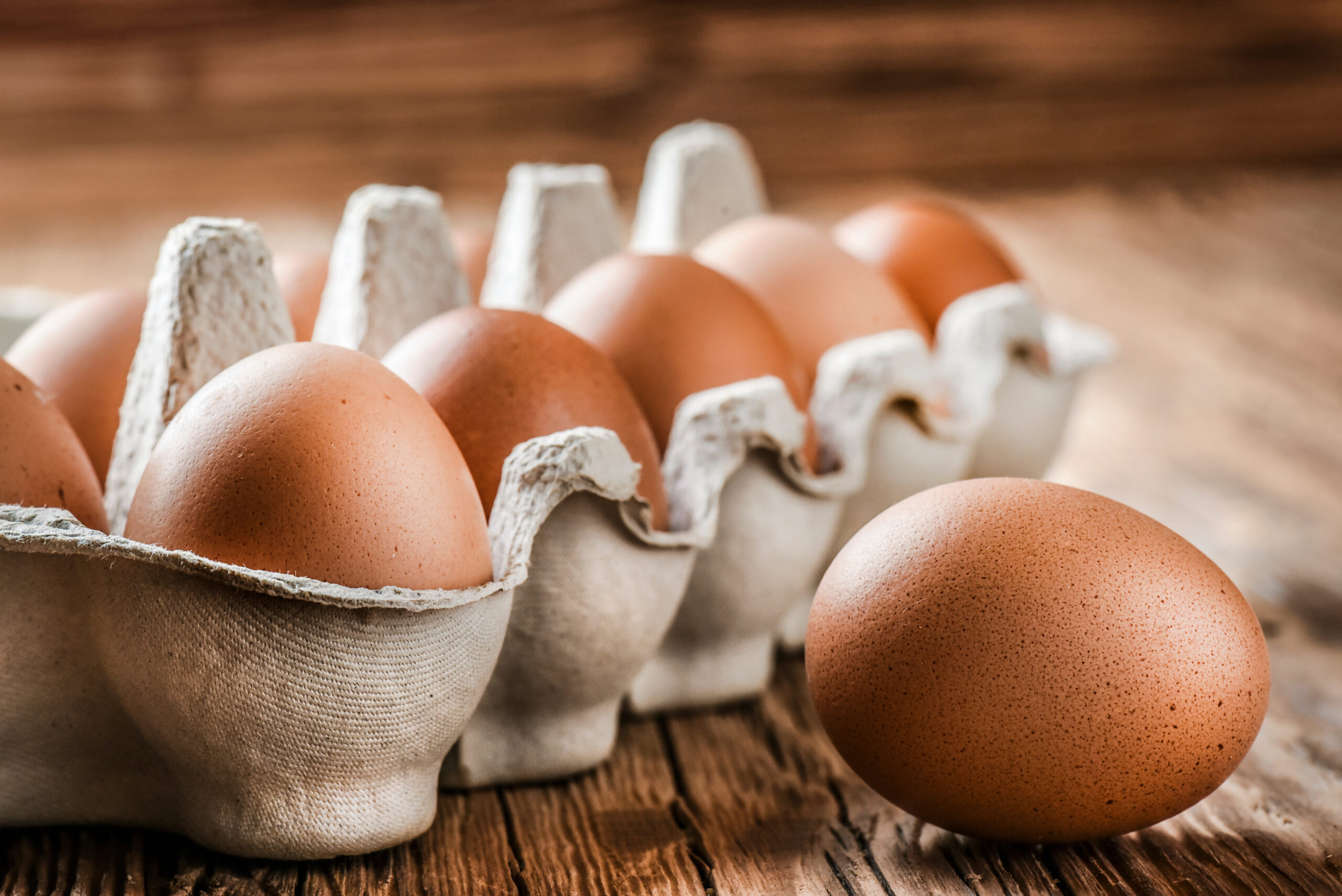
The color of an egg’s shell has everything to do with pigmentation and nothing to do with nutrition. Regardless of whether the eggshell is brown, blue, tinted, pink or white, the nutritional value of an egg is the same. Brown eggs tend to be (erroneously) considered healthier than white eggs because they are associated with local farms versus factory farms.
2. Why Do My Eggs Taste Different in Spring and Summer?
During the summer, more natural fodder is available for hens to eat than during spring, when plant growth is just starting to emerge. The more fresh forage they eat, the richer and tastier the eggs will be.
3. Why Are My Eggshells Thin or Easy to Break?

Shutterstock
Eggshells draw their calcium from a hen’s own body. Without additional calcium to build up reserves, your layer will not only produce thin shells but also will suffer from weakened bones. To keep your hens healthy, strong and able to produce strong eggshells, offer your flock a supplement such as crushed oyster shells or limestone. Note: Do not allow your chicks or juveniles to eat the calcium supplement, as this can severely damage developing kidneys.
4. Can You Tell If an Egg Is Fertilized Without Cracking It?
There is no way to tell a fertilized egg from an unfertilized egg without cracking it open and looking for the germinal disc or germ. An unfertilized egg’s germ appears as a small white spot, while a fertilized egg’s germ resembles a small halo with a clear center.
5. When Will My Chickens Start Laying Eggs?
A pullet starts laying at an average age of six months. Factors that affect this include the breed of chicken and the time of year. Heavier breeds such as Cochins and Orpingtons take longer to reach maturity and start to lay later. Smaller breeds such as Ameraucanas and Leghorns lay earlier. Regardless of a bird’s age, if daylight is decreasing just as a pullet reaches laying age, that first egg won’t show up until the following spring.
6. Are Spots in My Eggs a Sign of Embryos?
Shutterstock
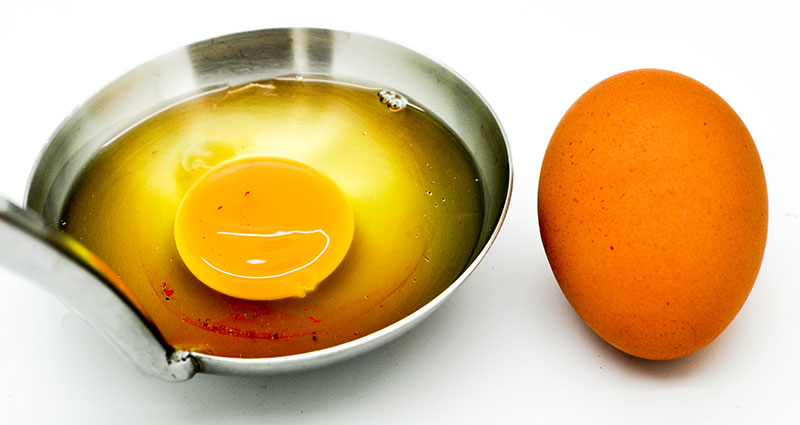
Unlikely. Eggs sometimes include blood spots or meat spots. Blood spots results from a broken blood vessel releasing blood onto the yolk as it gets released into the reproductive tract. Meat spots are typically bits of oviduct tissue that break off and become incorporated into the egg as it passes through.
7. What Causes Double-Yolk Eggs?

Shutterstock
Double yolk eggs most commonly occur in pullets, whose immature reproductive systems accidentally release more than one yolk at a time. They can also occur as a hen gets older and her reproductive system starts slowing down.
8. Why Are My Chickens Laying Tiny Eggs?
Those tiny eggs, called wind eggs or fart eggs, are produced by pullets coming into lay whose immature systems are still stabilizing. As your birds mature, the eggs will become normal in size.
9. Do Chickens Lay Eggs Every Day?
A hen in her laying prime (one year of age) lays an average of four to five eggs per week. However, factors such as temperature changes, dehydration and stress can affect a hen’s rate of lay.
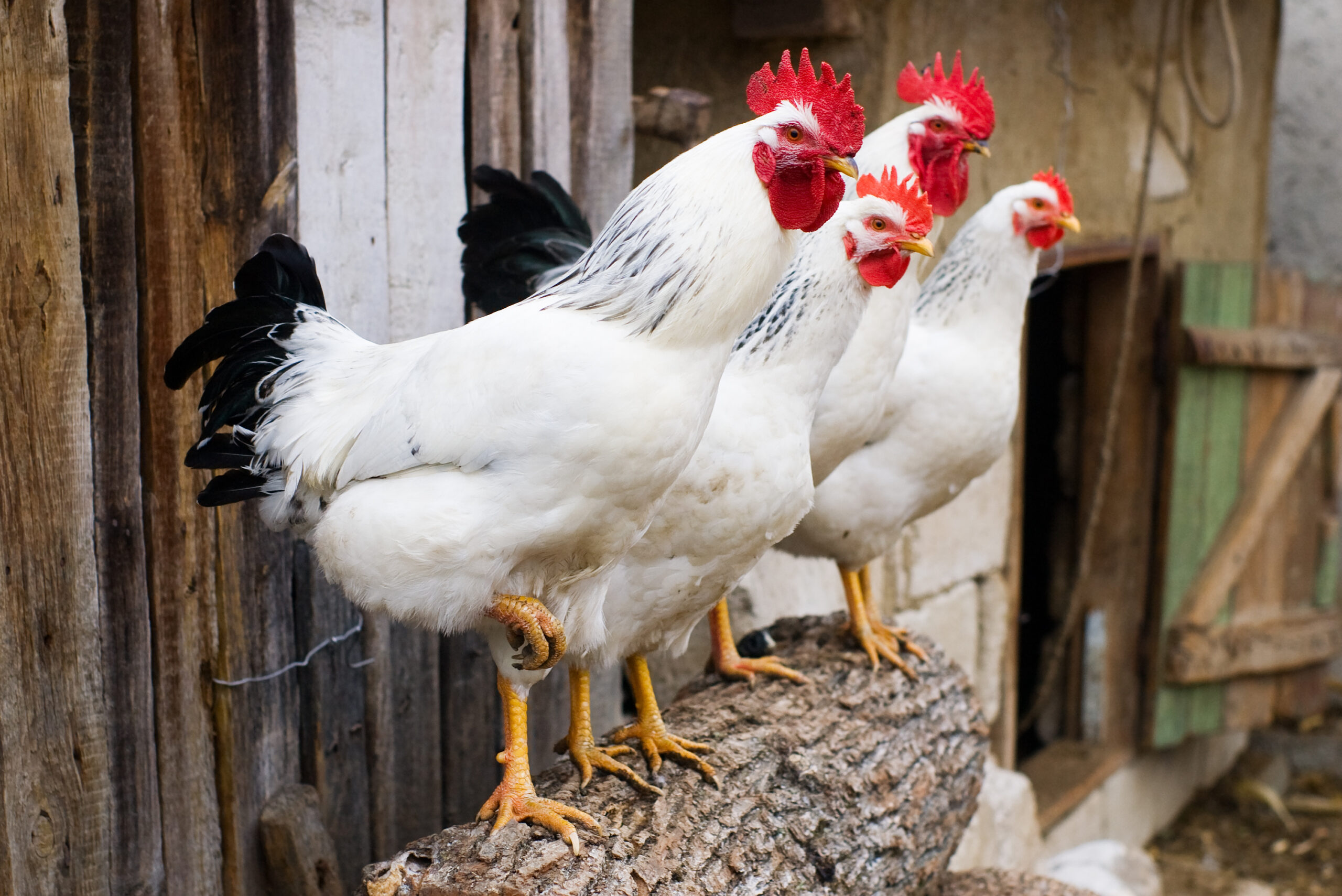
10. Do Hens Need a Rooster to Lay Eggs?

Shutterstock
Hens begin to produce eggs on their own as they reach maturity. You need a rooster only if you want to produce chicks.
Chicken Egg Questions: Final Thoughts
Raising chickens comes with plenty of surprises—especially when it comes to their eggs. Hopefully, this roundup of common chicken egg questions gave you quick, helpful answers you can use right away. Still stumped or seeing something new? Keep asking! Every flock is different, and part of the fun is learning together.
This article about chicken egg questions was written for Hobby Farms and Chickens magazines. Click here to subscribe.