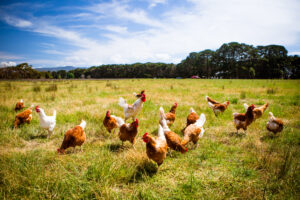
Chickens get all the glory; honeybees, all the buzz. However, in reality, rabbits are as perfect as it gets if you’re looking for small-scale, urban livestock.
As far as animals go, they’re small, quiet and clean (if their keeper is responsible). And their footprint is petite, even compared to chickens.
Let’s take a look at three reasons to add rabbits to your urban farm.
Key Takeaways
- Urban rabbits are well suited to small farms because they’re quiet, clean and require relatively little space.
- Angora rabbits produce valuable fiber but need regular grooming and specialized care.
- Rabbit manure can be applied directly to many gardens and also makes an excellent compost ingredient.
- Many rabbit keepers enjoy showing, breeding and raising rabbits as family pets or 4-H projects.
- Responsible planning helps ensure rabbits remain a rewarding long-term addition to your urban farm.
Why Urban Rabbits Thrive in Small Spaces
Urban rabbits are a practical choice for backyard farms because they require less space than many other livestock, produce little noise and can be housed in compact hutches or secure outdoor enclosures. They’re also efficient feeders, making them an appealing option for gardeners and homesteaders looking to add productive animals without overwhelming a small property. Whether your goal is sustainable gardening, fiber production or simply keeping friendly livestock, rabbits adapt well to urban and suburban environments while providing multiple benefits beyond companionship.
#1 Raise Urban Rabbits for Fiber
Fiber rabbits are friendly and fun. They make great 4-H projects and are wonderful pets for kids.
Also called Angora rabbits, this class of fiber-producing breeds requires some knowledge about their needs. They need consistent grooming from their keepers to remain healthy and happy. They also require a few dietary supplements and precautions against the very unpleasant, and sometimes deadly, digestive condition known as wool block.
Before embarking on keeping fiber rabbits, do your research. Attend fiber fairs, and get to know the various breeds, their temperaments and their yearly fiber production. Decide what you will do with the wool once you harvest it: Will you sell it or spin it yourself?
Next, choose the breed (or breeds) that best suits you and your homestead, and locate breeders in your area. Get to know breeders to be sure you start with the healthiest stock possible. This will support reputable breeders, and your rabbits will have a reliable heritage should you choose to show or breed your bunnies (more on that later).
Check out these 5 tips for feeding rabbits the right way!
Best Fiber Rabbit Breeds
Several popular fiber rabbit breeds include:
- German: A large rabbit and a good wool producer
- French: A perfect “newbie” fiber rabbit, as they are medium-sized and require the least amount of grooming
- English: A petite, friendly rabbit, needing a fair amount of grooming but otherwise perfect for small spaces and kids
- Satin: Famous for its silky coats and excellent fiber production but extensive grooming requirements
Each requires grooming that consists mostly of brushing to keep mats from forming and to release loose hairs. Weekly grooming (approximately) provides an indication of when bunnies will be blowing (shedding) their coats.
Most Angora breeds shed their coats several times per year, and harvesting the wool is simple. Plucking by hand is painless to the rabbit and produces the longest natural fiber but is time-consuming for you.
Shearing or trimming with scissors is more efficient, but it leaves a blunt end to the fiber. Once spun into yarn, this blunt end frays more easily than hand-plucked fiber. If you sell your rabbits’ wool, the plucked fiber will fetch a higher price per pound.
Angora rabbits require quarterly plucking or shearing, weekly grooming and daily feeding and watering. They need housing that keeps them safe from predators (think raccoons and neighborhood dogs) and protection from the elements, especially the heat.
Angoras are excellent cold-weather animals and do well in cool climates, but they need significant shade during the summer months. Pop a water bottle 3⁄4 of the way full with water in the freezer until solid. Give one to your Angoras daily in the summer to help them keep their cool.

Philipe Monteiro Cardoso/Shutterstock
#2 Urban Rabbits Produce Excellent Garden Fertilizer
Rabbit manure is some of the best “garden gold” there is, and raising rabbits for their manure is an entirely acceptable reason to keep these excellent pets on your urban farm.
For the same reasons as previously mentioned, rabbits are excellent urban livestock and can serve multiple purposes. A reliable, truly local source of pure, organic fertilizer can simply be the cherry on top.
Rabbit manure is bar none for several reasons. First, rabbit manure doesn’t require composting before applying it to soil. The pellets break down slowly over time, providing a time-release effect to plants, shrubs, trees and gardens. What’s more, rabbit pellets improve soil stability, feeding beneficial organisms (especially worms) in the soil.
With that said, some gardeners prefer to compost rabbit manure before applying it to the garden. There is always some risk of pathogen transfer from animal manure to a garden bed that is used to grow food, so practice caution when using any fertilizer.
An especially easy way to use rabbit manure is by brewing a bunny compost tea. To make it, fill a large bucket with water, drop a handful (or shovelful) of pellets into the bucket and allow the brew to steep for a day or two. Use the liquid to water plants, trees, shrubs and gardens, and compost the rest.
Rabbit manure is also perfectly packaged. The small, blueberry-sized pellets are dry and odorless, so they’re easily shoveled, stored, moved or tossed into the compost.
They are easy to spread on garden beds, remain intact for as long as you need and are as clean as poop can get. Keeping rabbits solely for their manure may be a bit extravagant (and get a bit expensive), but raised for any other use, they more than earn their keep.
Read more ways to put rabbits to work on the farm.
#3 Show, Breed and Enjoy Urban Rabbits
While you may choose to add rabbits to your urban farm to produce meat, fiber or fertilizer, the vast majority of people who raise rabbits do so for showing and breeding purposes.
Rabbit breeds that are not primarily raised for meat or fur production are considered “fancy” breeds and make excellent family pets, 4-H projects, show animals or potential breeding stock. Living in a metropolis means you likely have access to a variety of interested buyers and breeders and accessibility to a variety of shows.
Breeding and showing are two activities that tend to go hand-in-hand. Breeders strive for the perfect example of their breed’s Standard of Perfection (a written description of what an ideal specimen would look and act like), selling show-quality rabbits to those interested in taking their charges to the show table.
Those mostly interested in showing tend to take breeding into their own hands in the pursuit of achieving their breeds’ ideal characteristics as they move toward that blue ribbon. Whatever your primary motivation, both avenues offer ways to appreciate your animals and enjoy their companionship.
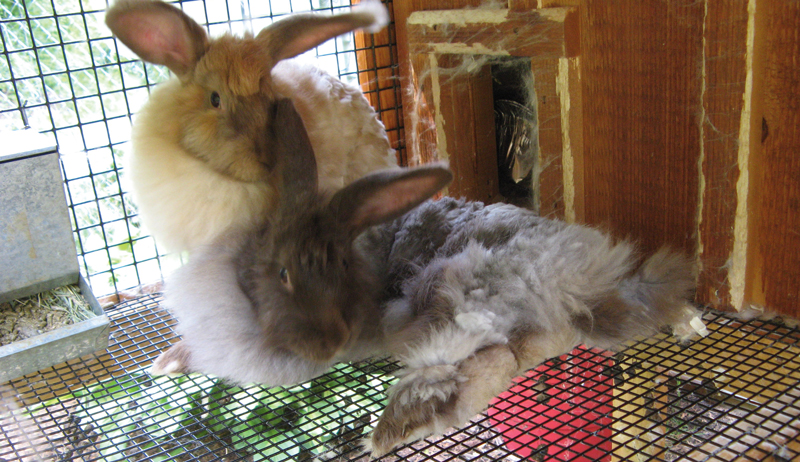
Kristina Mercedes Urquhart
Selling Rabbits and Rabbit Products
Once you’ve been breeding rabbits for a while, you’ll likely end up with some show-quality, brood-quality and pet-quality rabbits in more numbers than you’ll need (likely more pet-quality rabbits, in all honesty).
Market your extra rabbits online, through shows or via word of mouth. Purebred, show-quality breeding rabbits can fetch anywhere between $15 to $300, depending on breed; junior-quality rabbits less than $100; and pet rabbits less than $50.
While you’re at it, you may even sell rabbit manure or compost to nurseries, landscapers or garden centers. Selling your rabbits (or their poop) won’t make you a millionaire, but it may offset some feed and housing costs and support your hobby.
Before diving headfirst into breeding rabbits, though (after all, they multiply like … well, rabbits), get to know other breeders firsthand and ask questions. Do the homework, and learn if raising rabbits for breeding or show is for you. Find out how they market their breeding and pet stock and if there’s a demand in your area.
Keep Urban Rabbits Responsibly
A sad fact about any hobby or backyard animal breeding program is that many people (especially kids) lose interest after a season or two. And the animals are often given away or taken to the local animal shelter.
Be responsible about how you enter a breeding hobby, and have a back-up plan should you or your children decide that raising, breeding, selling or showing rabbits is not for you. Decide on a cap number of rabbits you will keep at any one time, and discontinue breeding if you’ve reached that cap. Have budgets planned before purchasing your first few rabbits.
If the animals will primarily be your children’s responsibility, draw up a contract together, which you both sign, committing to the responsibility of their care and well-being.
This process will help your children learn to see that commitments, especially caring for living creatures, are not to be taken lightly, but they can be a lot of fun.
Frequently Asked Questions
Are rabbits good animals for urban farms?
Yes. Rabbits are quiet, require relatively little space and can provide fiber, manure, companionship and even breeding opportunities, making them well suited for many urban farms.
What are the best rabbit breeds for small urban spaces?
Several breeds adapt well to backyard settings. Angora breeds are popular for fiber production, while many fancy breeds make excellent pets and show rabbits.
Can rabbit manure go directly into the garden?
Rabbit manure is one of the few livestock manures commonly applied directly to ornamental gardens because it breaks down slowly. Many gardeners still prefer composting it first, especially when growing edible crops.
Are rabbits noisy like chickens?
No. Rabbits are generally very quiet animals, making them a good choice where neighborhood noise is a concern.
Do Angora rabbits require special care?
Yes. Angora rabbits need regular grooming to prevent matting and wool block, along with appropriate housing, fresh water and a balanced diet.
Urban Rabbits Final Thoughts
Urban rabbits prove that productive livestock doesn’t require acres of land. Whether you’re harvesting soft Angora fiber, enriching your garden with valuable manure or simply enjoying the companionship of these gentle animals, rabbits can play several roles on a small farm. Before bringing rabbits home, research breeds carefully, prepare appropriate housing and commit to their long-term care. With thoughtful planning, rabbits can become one of the most rewarding additions to an urban homestead.
Love learning about practical backyard livestock? Subscribe to Hobby Farms for expert advice on raising rabbits, chickens, goats and other small-farm animals, along with gardening tips, DIY projects and sustainable homesteading ideas delivered year-round.