A portable generator is essential when winter storms knock out power, keeping your farm or home running smoothly. Whether you rely on one for backup power or seasonal chores, proper generator maintenance before the cold weather hits is crucial. This simple seven-step winter checklist ensures your generator starts reliably, runs efficiently, and stays safe throughout the season.
Read more: Get a portable generator to ensure you don’t get caught out in the cold.
1. Make Your Portable Generator Accessible
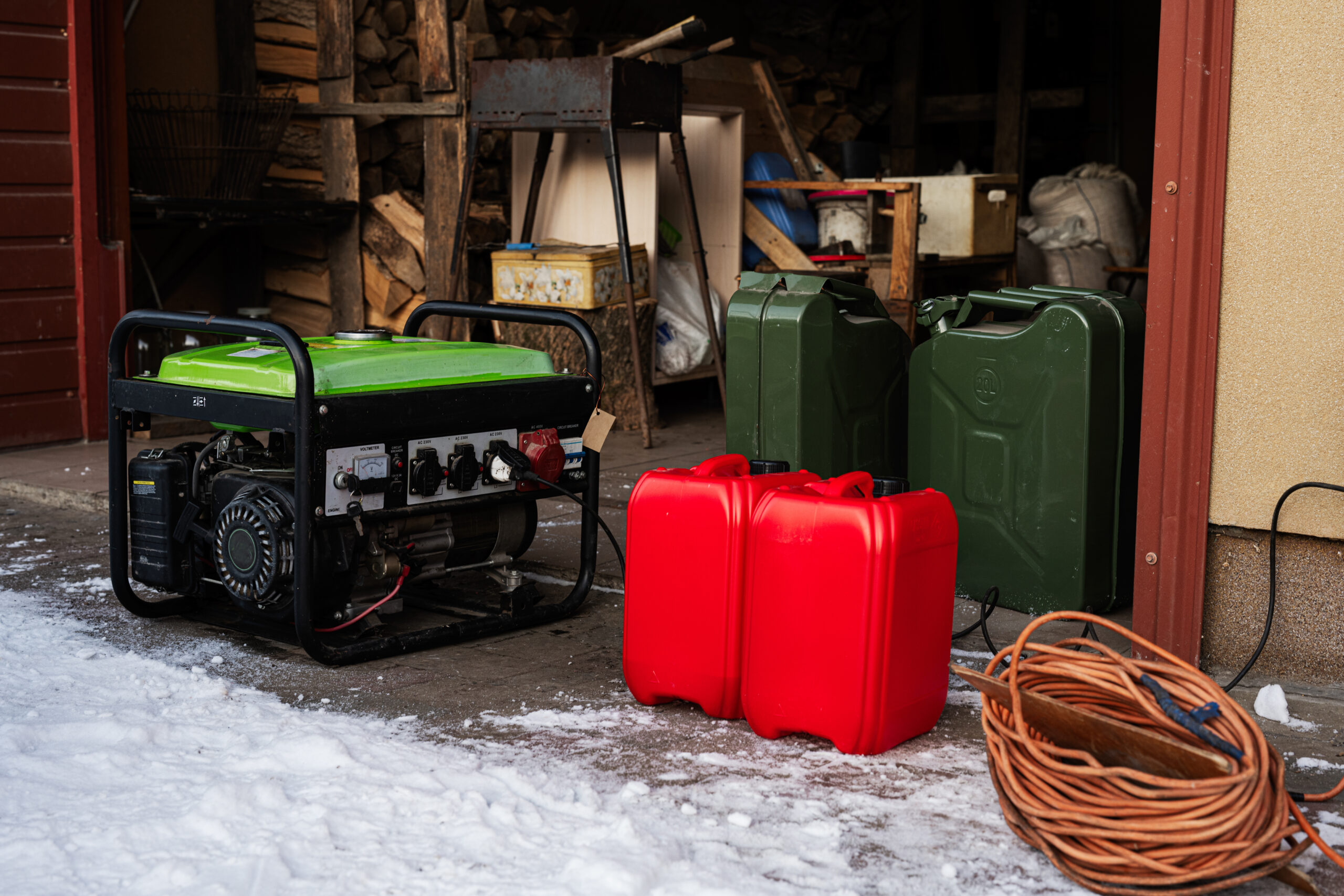
If you lose power during a winter snowstorm, you want your generator to be readily accessible—not buried in a shed behind all your summer lawn equipment. Before winter arrives, make sure your generator is waiting in a convenient location, preferably with easy access to the outdoors.
(Due to carbon monoxide risks, generators should not be used indoors.)
2. Change Oil for Winter Performance
Check your generator’s instruction manual for guidance on how frequently to change the oil. Even if you’re not due for a regular oil change, you might want to trade the summer oil for low-viscosity oil (such as 5W30) more suitable for use in cold weather.
3. Replace Portable Generator Filters
Oil, air and fuel filters should all be cleaned and/or replaced depending on how heavily your generator has been used. Check the instruction manual for a recommended maintenance schedule.
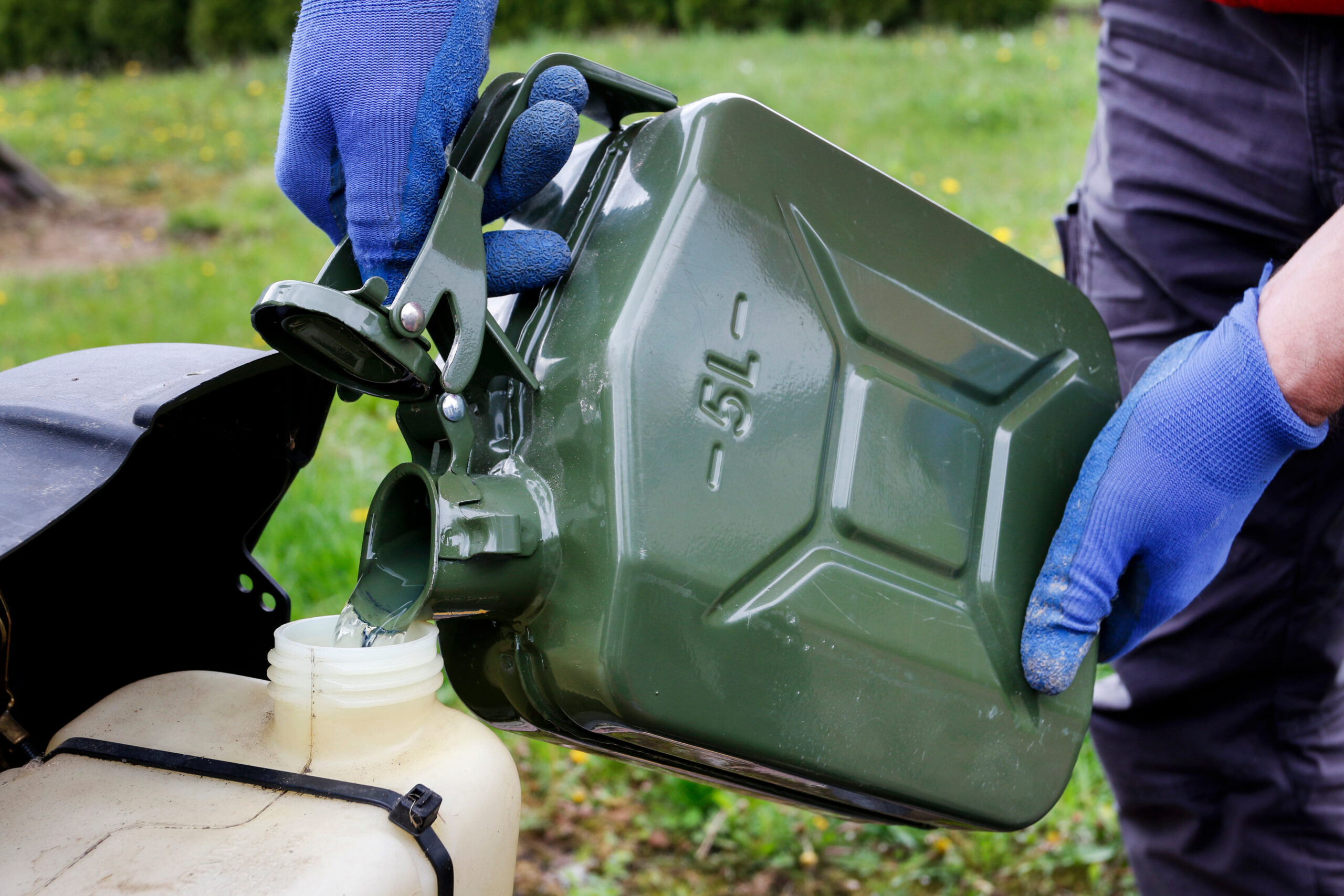
4. Stabilize Fuel in Your Generator
You want your generator ready to run at a moment’s notice. Since an empty gas tank can be an invitation for corrosion, it’s best to leave the tank filled when not in use.
But if gasoline starts degrading after just a couple of months, isn’t it risky to leave the tank full all winter long? What if you get lucky and never need to use the generator?
This is where fuel stabilizers enter the picture. Mix an appropriate amount of stabilizer into your fuel and you’ll significantly extend its lifespan, alleviating the issue entirely.
Read more: Use fuel stabilizers to protect your engines during the offseason.
5. Charge Your Portable Generator Battery
Batteries can struggle in cold weather, so if your generator features a battery-powered electric starter, make sure the battery is fully charged before winter. If your generator is stored in a heated garage, perfect. If not, consider removing the battery and storing it indoors until needed.
6. Test Your Generator Regularly
Once you’ve finished your pre-season maintenance, go ahead and give the generator a test run. Let it run for five or 10 minutes, just to let the stabilized fuel spread through the system and confirm everything is in good order.
In general, engines benefit from running with some regularity. So go ahead and fire up your generator at least every few weeks during the winter to keep it in good working condition.
7. Stock Generator Parts and Supplies
There’s no reason to be short on spare parts and supplies—you’ll use them all eventually. Head into winter with extra spark plugs, filters and gas on hand so you won’t run short during the snowstorm of the century.
If you’re concerned about using the spare gas quickly enough (probably not an issue if you’re busy plowing snow with your ATV!), add a fuel stabilizer and don’t give it another thought.
Generator Maintenance FAQs
Q1: How often should I perform portable generator maintenance?
A1: Basic maintenance should be done at least once a season, with oil, filter, and fuel checks before winter to ensure reliable performance.
Q2: Can I store my portable generator outside during winter?
A2: It’s best to store your generator in a dry, sheltered area. Exposure to snow, ice, or moisture can damage components and reduce performance.
Q3: What type of fuel stabilizer is recommended for winter?
A3: Use a high-quality gasoline stabilizer designed for small engines. Mix it according to the manufacturer’s instructions to prevent fuel degradation over winter months.
Q4: Should I run my portable generator while it’s cold outside?
A4: Yes, periodic short test runs help circulate fuel, charge the battery, and ensure everything functions properly, even in cold temperatures.
Q5: What spare parts should I keep on hand for winter?
A5: Keep extra spark plugs, filters, fuel, and oil handy. Having these supplies ready ensures you can quickly resolve minor issues during a storm.
Once your generator is prepped and ready, you can rest easy even when fierce snowstorms are on the horizon. Stay safe!
This article about prepping a portable generator for winter was written for Hobby Farms magazine. Click here to subscribe.