Nubian goats are one of the most popular dairy goat breeds thanks to their rich, high-butterfat milk, friendly personalities, and distinctive long, floppy ears. Whether you’re looking for a family milk goat, a companion animal, or a productive addition to a small farm, Nubians are known for their versatility, intelligence, and affectionate nature.
Key Takeaways
- Nubian goats are among the most popular dairy goat breeds in the United States.
- Their milk averages about 4.5–5% butterfat, making it excellent for cheese, yogurt, butter, and soap.
- Nubians are friendly, affectionate, and highly vocal.
- Does typically produce 4–5 quarts of milk daily during a 9- to 10-month lactation.
- They thrive with companionship, secure fencing, quality nutrition, and routine hoof care.
Why Choose Nubian Goats?
Why should you consider adding some Nubians to your herd? Nubian goats are sweet, gentle, and excellent milkers. These attributes give the breed its popularity among novices and children.
While they are primarily kept as a milking goat and companion animal, the Nubian also excels at other tasks (more on that later).
History of Nubian Goats
Originally named the Anglo-Nubian, the breed was first created in England. Americans shortened the name to Nubian, but in Britain, they are still referred to by their original name.
In the nineteenth century, British breeders started crossing native goats with large floppy-eared goats imported from India. The first Nubians were supposed to provide meat and milk for travelers going back to India.
The Nubian goat first set foot in America in 1909. However, they did not become an official breed until 1913, when J.R. Gregg of California initiated a breeding program for today’s Nubian.
Today, Nubian goats are one of the most widely recognized dairy breeds in North America. Their adaptability, long breeding season, and rich milk continue to make them a favorite for homesteads, family farms, and small commercial dairies.
What Do Nubian Goats Look Like?
As previously mentioned, the Nubian goat is the only purebred dairy goat to have floppy ears and should not be confused with the Boer (the most popular meat goat in America), who also sports floppy ears.
Nubian goats have long Roman noses and a medium-sized build (females are 30–32 inches tall at the withers, and males are 35–36 inches). Their short fur comes in several colors, including black, chestnut, cream, red, tan, and white.
While Nubian goats can have horns, they are usually disbudded (meaning the horns are removed).
Average Weight
Bucks (males): 170 lbs.
Does (females): 135 lbs.
Characteristics At A Glance
- Pendulous ears
- Convex Roman nose
- Short glossy coat
- Any color or pattern is accepted
- Upright tail
- Both horned and naturally polled animals exist, though many dairy goats are disbudded
How Much Milk Do Nubian Goats Produce?
Nicknamed the “Jersey of the goat world,” the Nubian goat is a good milk producer. Their milk is an excellent choice for those looking to raise their own goats for cheese or butter, as a Nubian goat’s milk averages 4.6% butterfat.
Nubian goats’ milk also contains high amounts of protein, with milk containing 3.7% protein compared to the 3.2–3.5 percent protein found in cow’s milk. This protein is essential for immune and bone health and is more easily digestible than other proteins.
Does are good milkers, producing an average of four to five quarts a day. Lactation periods last nine to ten months, with production rarely decreasing during the lactation period.
What Are Nubian Goats Used For?
The large frame of a Nubian goat makes them an ideal choice to use as a meat goat. Producing quality meat, they are an ideal breed for those looking to raise their own superb-tasting meat but are not the best choice if raising meat for a profit.
When not being used as a meat or milk goat, the Nubian can sometimes be trained to be used as a pack animal. Note: When selecting Nubian goats to use as pack animals, be sure to choose wethers (castrated males) versus bucks or pregnant and lactating does.
How to Care for Nubian Goats
Nubian goats are relatively easy to care for when their basic needs are met. Like all goats, they thrive with proper nutrition, routine health care, and companionship. Because they are active, intelligent animals, they also benefit from opportunities to browse, explore, and interact with both people and other goats.
Provide Nubian goats with access to quality pasture or browse whenever possible, supplemented with clean hay when forage is limited. Lactating does, growing kids, and breeding animals may also require grain to meet their nutritional needs. Fresh, clean water should always be available, along with a free-choice loose mineral formulated specifically for goats.
Secure housing is equally important. Nubians tolerate heat well thanks to their ancestry, but they still need shade during hot weather and a dry, draft-free shelter to protect them from rain, snow, and cold temperatures. Their long ears are especially susceptible to frostbite if they become wet in freezing conditions.
Routine care includes trimming hooves every few weeks, maintaining a regular parasite-control program, and watching for signs of illness or injury. Working with a veterinarian to establish a vaccination schedule and overall herd health plan can help keep your goats healthy throughout their lives.
Finally, remember that Nubian goats are highly social animals. They should not be kept alone, as they are happiest when housed with other goats and given regular interaction with their caretakers.
How Long Do Nubian Goats Live?
Nubian goats are a hardy and healthy breed, with an average life expectancy between ten and fifteen years. Some Nubians are exceptionally long-lived, reaching over twenty years of age.
Common Health Concerns in Nubian Goats
When given proper care and access to a free-choice mineral block, Nubian goats are a relatively hardy breed. Like all goats, they can suffer from common conditions such as external and internal parasites and mastitis.
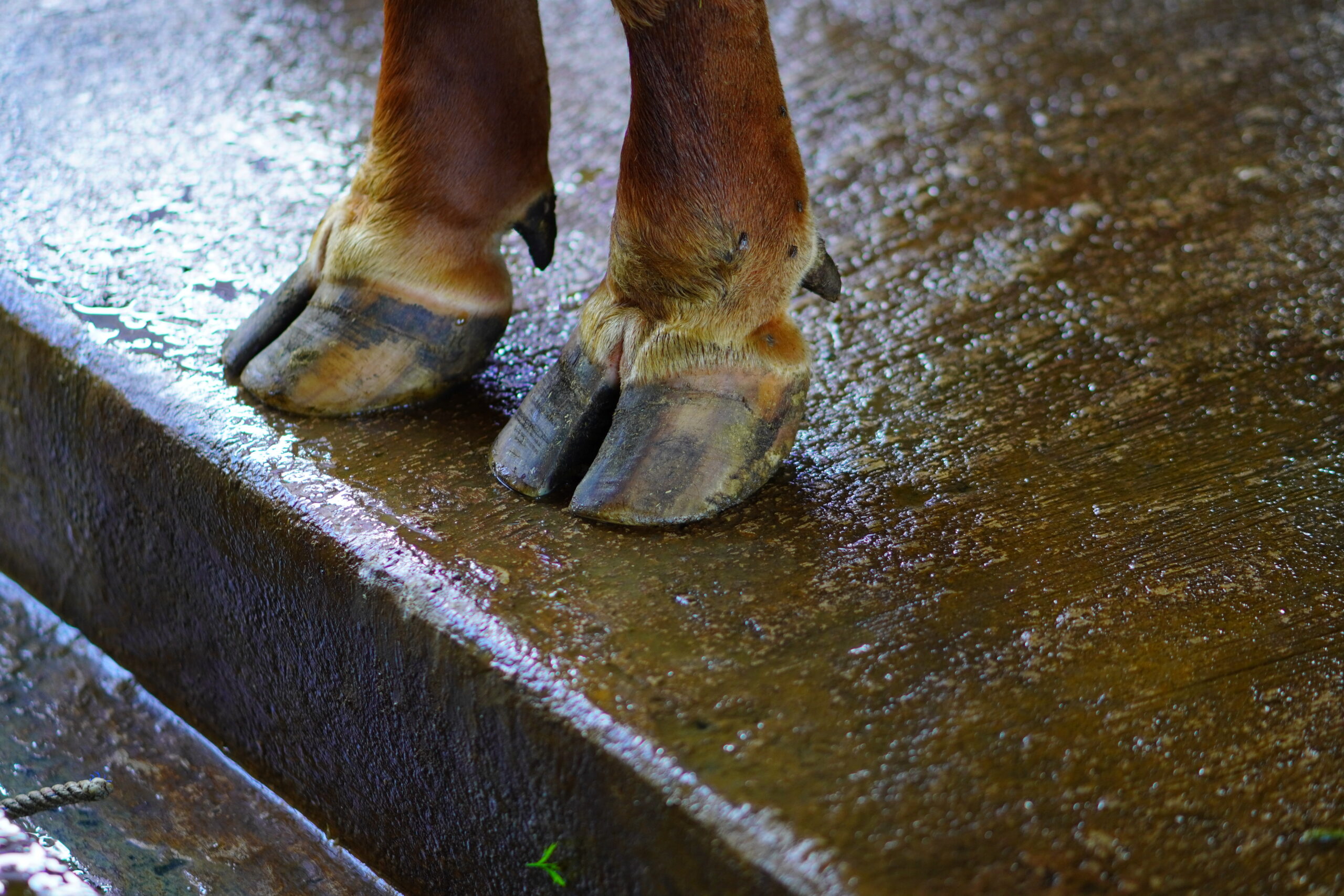
The one health concern Nubian goats are most prone to is hoof rot. This condition is more common in the United States, as much of the country is wetter and cooler than the hot, dry conditions this breed thrives in.
To prevent hoof rot, keep hooves clean and dry and routinely check them for problems.
Nubian Goat Temperament
Nubian goats have friendly, affectionate personalities and love nothing more than to be with their owners. These gregarious goats are reported to “scream” for attention from their owner and will do just about anything to be petted and shown some affection from their favorite human.
These friendly caprines are highly intelligent, curious, and active, but they can also have a stubborn streak that potential owners should be aware of.
Overall, Nubian goats are highly sociable, demanding both human and other goat companionship.
Things to Know Before Raising Nubian Goats
- Nubian goats are a loud, talkative breed, so they may not be the best choice if you have close neighbors.
- Nubian does rarely give birth to one kid and can have up to four kids at one time.
- Nubians are good jumpers and require tall fences to keep them in.
- The Nubian goat is more sensitive to cold and frostbite, especially when its long ears become wet. The breed requires shelter during colder months and when raising young or giving birth.
- The Nubian goat is a social butterfly and demands a lot of attention from its owner.
Frequently Asked Questions About Nubian Goats
How much do Nubian goats weigh?
Nubian goats’ weight can vary from some small does weighing only one hundred pounds to large bucks tipping the scales at over three hundred pounds. However, on average, does weigh in at just over one hundred and thirty pounds and bucks one hundred and seventy pounds.
Are Nubian goats noisy?
Yes, Nubian goats are chatty and vocal. While the noise can be endearing to you, your neighbors might find the noise to be less than ideal. For this reason, Nubian goats are not recommended if you have close neighbors.
How much milk do Nubian goats produce per day?
Nubians are good milkers, averaging four to five quarts of butterfat-rich milk.
What do Nubian goats eat?
Nubian goats are browsers, eating a varied diet of weeds, plants, leaves, twigs, and bark. In the barn, they rely on their owners for hay, grain, and minerals.
What is the Nubian goat’s temperament?
The Nubian goat has a friendly and affectionate temperament, making them an ideal choice for novices, children, and those looking to have an interactive pet goat.
Is the Nubian Goat Right for You?
If you’re looking for a friendly, interactive dairy goat that produces rich, high-butterfat milk, the Nubian goat is hard to beat. Their affectionate personalities, versatility, and strong milk production have made them a favorite on homesteads and small farms for more than a century.
That said, Nubians aren’t the right choice for every situation. Their loud voices, active nature, and need for companionship mean they do best with owners who can provide plenty of attention, secure housing, and room to roam. If you’re prepared to meet those needs, a Nubian goat can reward you with years of companionship, dependable milk production, and plenty of personality.
Love learning about goats? Subscribe to Hobby Farms magazine to get expert livestock advice, homesteading tips, seasonal projects, and practical how-to articles.