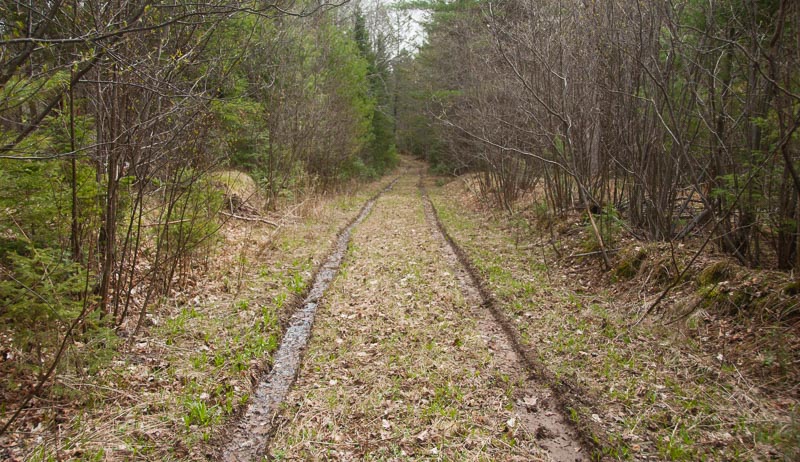
Preventing tractor ruts is critical during spring when wet soils and snowmelt leave farmland soft and easily damaged. Ruts created by machinery not only disturb vegetation but can also increase erosion, create uneven ground, and make mowing or haying difficult. Even when chores can’t wait for drier conditions, you can take steps to minimize damage. Here are five tips to help you protect your fields while getting the work done.
Avoid Driving on Wet Ground Whenever Possible
The best solution is to avoid driving over wet ground entirely. Consider planning your routes to favor high ground and skirt around low spots.
For example, on my farm there are multiple routes I can use to access the brush pile I have tucked away in the woods on the back of the property. The shortest route involves crossing a low spot that tends to hold water in the spring and after heavy rain showers.
But when the ground is wet, I can follow a longer, more circuitous route that sticks to high ground. I’m less likely to rut this way. Sure, I lose a little time, but it isn’t much. And minimizing ruts is worth the added time.
Read more: Check out these tips for choosing a good site for your brush pile.
Lighten Your Loads
Suppose you’re hauling a wagonload of firewood out of your woodlot, or carting manure to a compost pile, or transporting a load of debris to a brush pile. If crossing a wet area is unavoidable, you can lessen the risk of significant rutting by reducing the weight of the materials you’re transporting.
When traveling across dry ground in the summer, you can probably fill your wagon and never worry about the weight. But if you’re concerned about soft ground, consider shifting to half loads, or even quarter loads.
You’ll significantly reduce the weight of your wagon and reduce the risk of creating ruts (and getting stuck).
Use Lighter Vehicles When Possible for Preventing Tractor Ruts
Lightening loads isn’t the only option for reducing the impact of “heavy traffic.” Driving lighter vehicles is another option to consider.
Your 75HP utility tractor with its air-conditioned cab might be great most of the time. But it’s going to be a lot heavier (and a lot more damaging on soft ground) than a 20HP garden tractor or ATV.
If you can accomplish any given job with a lighter vehicle, go for it.
Read more: Which tractor is right for your farm? We take a look at 4 common types.
Choose Turf-Friendly Tires
The type of tires installed on your equipment can also make a difference. Tractors equipped with yard-friendly “R3” turf tires are less likely to cause damage than those using traction-oriented “R1” agricultural tires.
The shallow tread depths and closely spaced lugs on R3 tires are designed to distribute the weight of a tractor across a wider surface area, minimizing damage. Inflating tires to the proper PSI level can also help prevent rutting.
Address Persistent Wet Areas With Drainage for Preventing Tractor Ruts
If one low spot in particular stays wet for much of the year and becomes problematic with rutting and erosion, you can take steps to address the root of the issue by draining the area. Digging drainage ditches or installing underground drainage tiles can be time-consuming and expensive. You might need an expert to help plan your strategy and consider any consequences of rerouting the water.
But if you can successfully drain the lowland section of an important farm road, it might be worth the investment.
FAQ: Preventing Tractor Ruts
Q: What is the best way to prevent tractor ruts on wet fields?
A: The most effective strategy is to avoid driving over wet, soft ground whenever possible. Plan routes along high spots and avoid low-lying areas that tend to hold water. If crossing wet spots is unavoidable, reduce the load or use a lighter vehicle to minimize soil damage.
Q: Do tire types make a difference in rutting?
A: Yes. Turf-friendly R3 tires with shallow, closely spaced lugs distribute the tractor’s weight more evenly, reducing the chance of deep ruts. In contrast, traction-oriented R1 agricultural tires concentrate weight and dig into soft soil. Proper tire inflation is also critical.
Q: Can smaller tractors or ATVs help prevent ruts?
A: Absolutely. Using lighter vehicles whenever possible reduces the impact on soft soil. Even small garden tractors or ATVs can perform many farm chores with significantly less risk of creating deep ruts compared to heavy utility tractors.
Q: Will draining wet areas help reduce ruts?
A: Yes. Persistent low spots that stay wet year-round are prime locations for ruts. Installing surface ditches or underground drainage tiles can divert water, keeping soil firmer and more stable for machinery.
Q: How do I minimize damage when I have to haul heavy loads?
A: Reduce the weight of each load when crossing soft areas. Consider hauling half or quarter loads instead of full loads, and distribute weight evenly. Lighter loads lower the risk of sinking tires and creating deep ruts in your fields.
Preventing tractor ruts requires planning, the right equipment, and occasional soil management. By avoiding wet spots, lightening loads, choosing appropriate vehicles and tires, and improving drainage, you can minimize soil damage and keep your farmland productive all season.
This article about preventing tractor ruts was written for Hobby Farms magazine. Click here to subscribe.