Animal shedding is one of the earliest and most visible signs of seasonal change on the farm. Long before the official first day of spring arrives around March 21, livestock begin losing their thick winter coats, leaving hair on fences, feed buckets, and your clothing.
While it’s easy to assume that warmer temperatures trigger this process, animal shedding is actually driven by something far more precise—changes in daylight. This natural response helps livestock prepare for seasonal shifts well in advance, ensuring they stay comfortable and protected year-round.
Animal Shedding: Key Takeaways
- Animal shedding is triggered by changes in daylight, not temperature.
- Livestock use photoperiod (day length) to regulate coat growth and loss.
- Shedding begins weeks before seasonal temperature changes occur.
- Animals in northern climates grow thicker, earlier winter coats than those in southern regions.
- Seasonal shedding is a natural and healthy process for most farm animals.
The Role of Daylight in Animal Shedding
Animals don’t grow or shed winter coats based on the current ambient temperatures. If this was how it worked, then the poor animal wouldn’t start to grow a coat until winter temperatures were already cold enough to trigger the need, and then the animal might freeze long before it could grow protection. The same applies in the spring—waiting until a warm 70°F day to begin the weeks-long shedding process means the animal would be quite uncomfortable for a long time. Temperature alone is not the answer.
Instead, the length of the daylight is the main trigger for coat control. In the northern hemisphere, minimal daylight is reached around December 21st, but the exact amount of daylight hours—known as the photoperiod—varies by latitude. The further south you go, the longer the photoperiod; the further north, the shorter.
Animals detect the photoperiod with their eyes, using special retinal cells (not the ones used for vision). This brightness information is then used by the brain to control the hormones which in turn dictate coat growth and shedding.
Why Animal Shedding Is Perfectly Timed
What’s truly amazing about this system is its precision. Basing coat growth on the photoperiod helps animals grow the exact amount of winter coat they need to, and then shed it at just the right time. In the south, the photoperiod is more consistent—winter days aren’t so short. In response, animals there grow coats later in the year, and don’t grow them as thick. This, of course, keeps them comfortable in the South’s mild winters. Conversely, the photoperiod in the north varies widely with the seasons—winter days are very short, and summer days are very long. Animals in the north sense this, and in response they begin putting winter coats on very early—as early as August or September, so they’re prepared when winter temperatures arrive in late October or November. They also keep those winter coats intact later into the spring.
When to Expect Animal Shedding by Species
While animal shedding is driven by daylight, the timing and intensity can vary widely depending on the type of livestock and their natural coat cycles.
Cattle
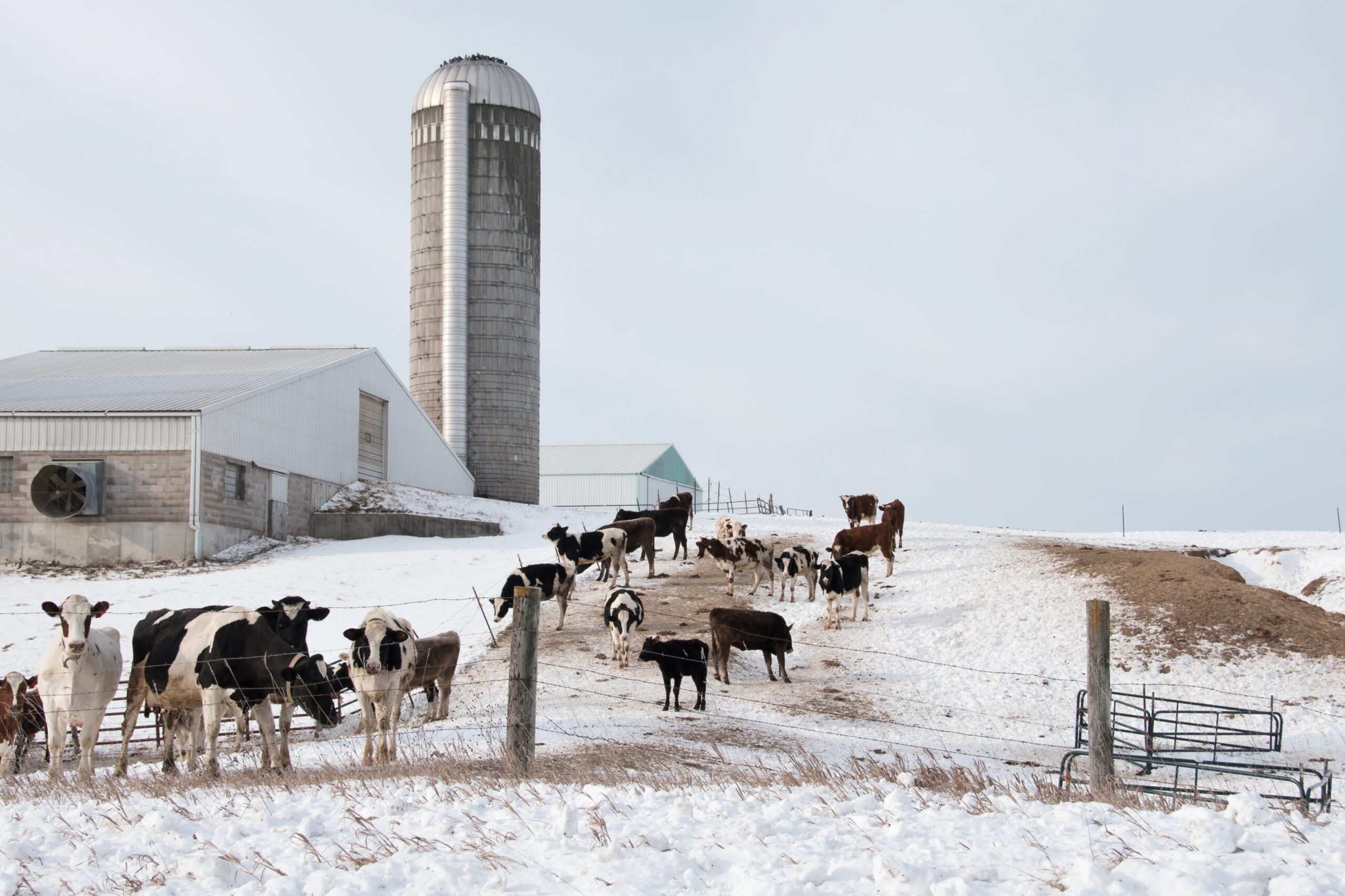
Cattle typically begin shedding in late winter to early spring, often as daylight increases in February and March. Thick-coated breeds, especially those adapted to colder climates, may shed more slowly and unevenly, sometimes retaining patches of winter hair well into spring.
Goats
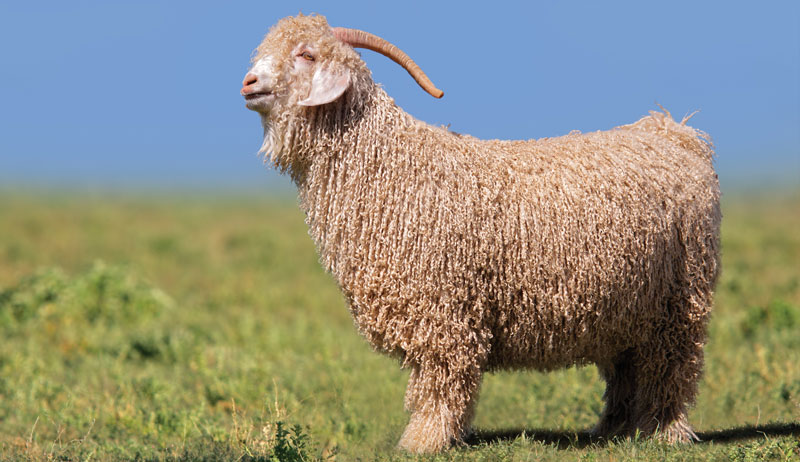
Goats are known for dramatic seasonal shedding. Most begin losing their winter undercoat in late winter, with shedding peaking in early spring. Fiber breeds, in particular, may release large amounts of soft undercoat, which can come off in clumps.
Sheep
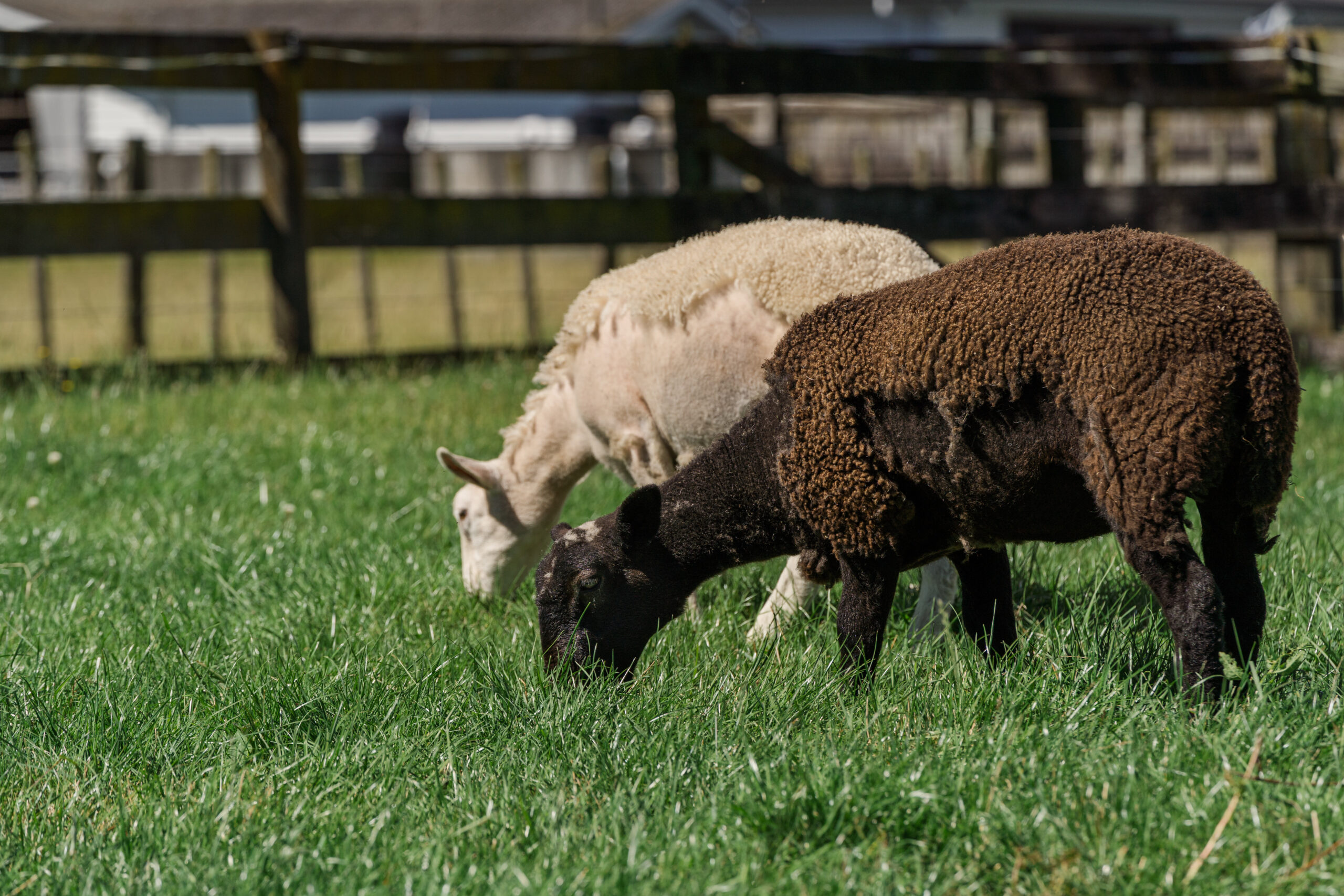
Shedding in sheep depends on the breed. Hair sheep naturally shed their coats in spring, while wool breeds do not shed and instead require shearing. In shedding breeds, the process usually begins as daylight increases and temperatures gradually rise.
Horses
Horses often start shedding surprisingly early—sometimes as soon as late January or February—triggered by increasing daylight. This process can last for several weeks, and grooming becomes essential to help remove the dense winter coat.
Chickens
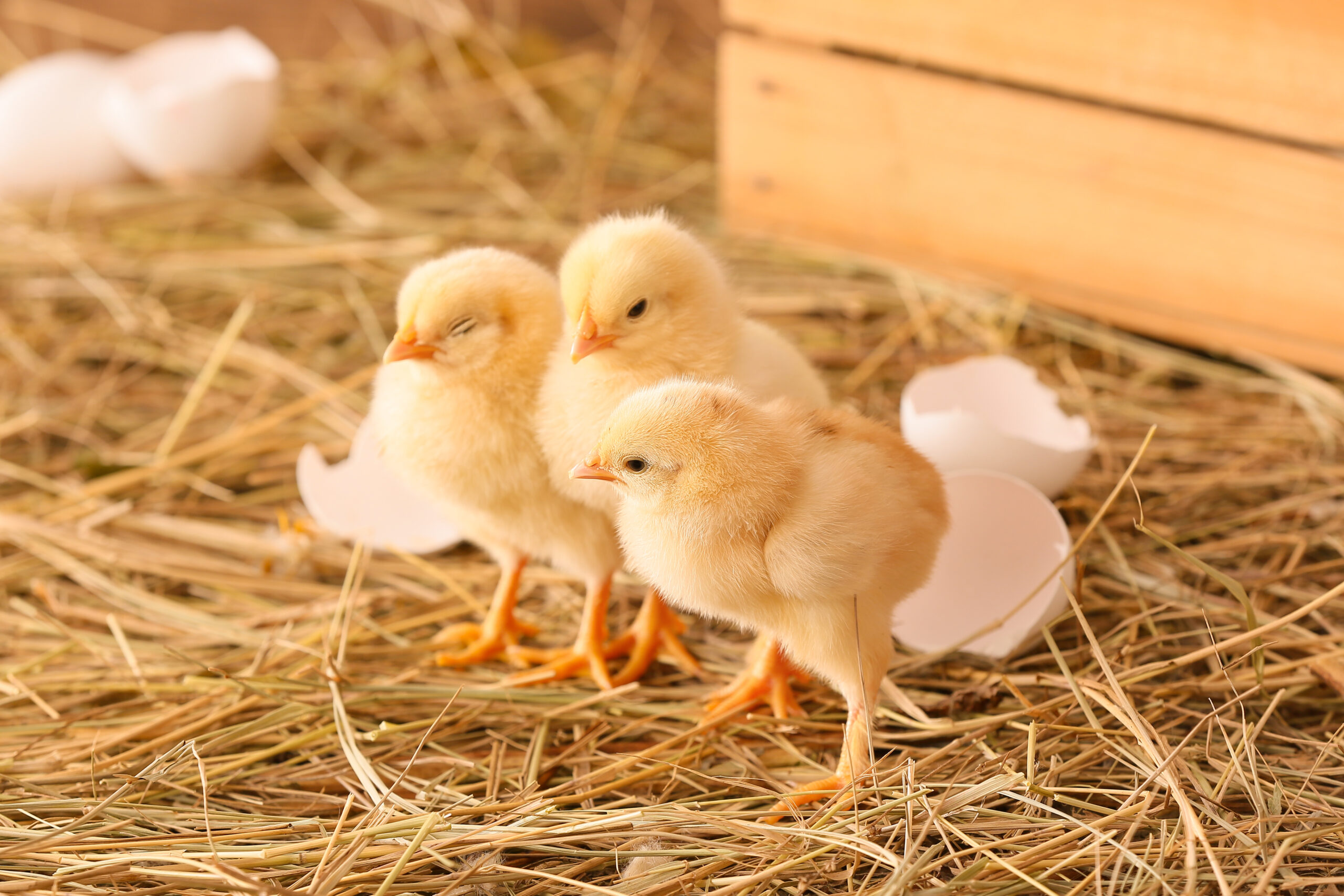
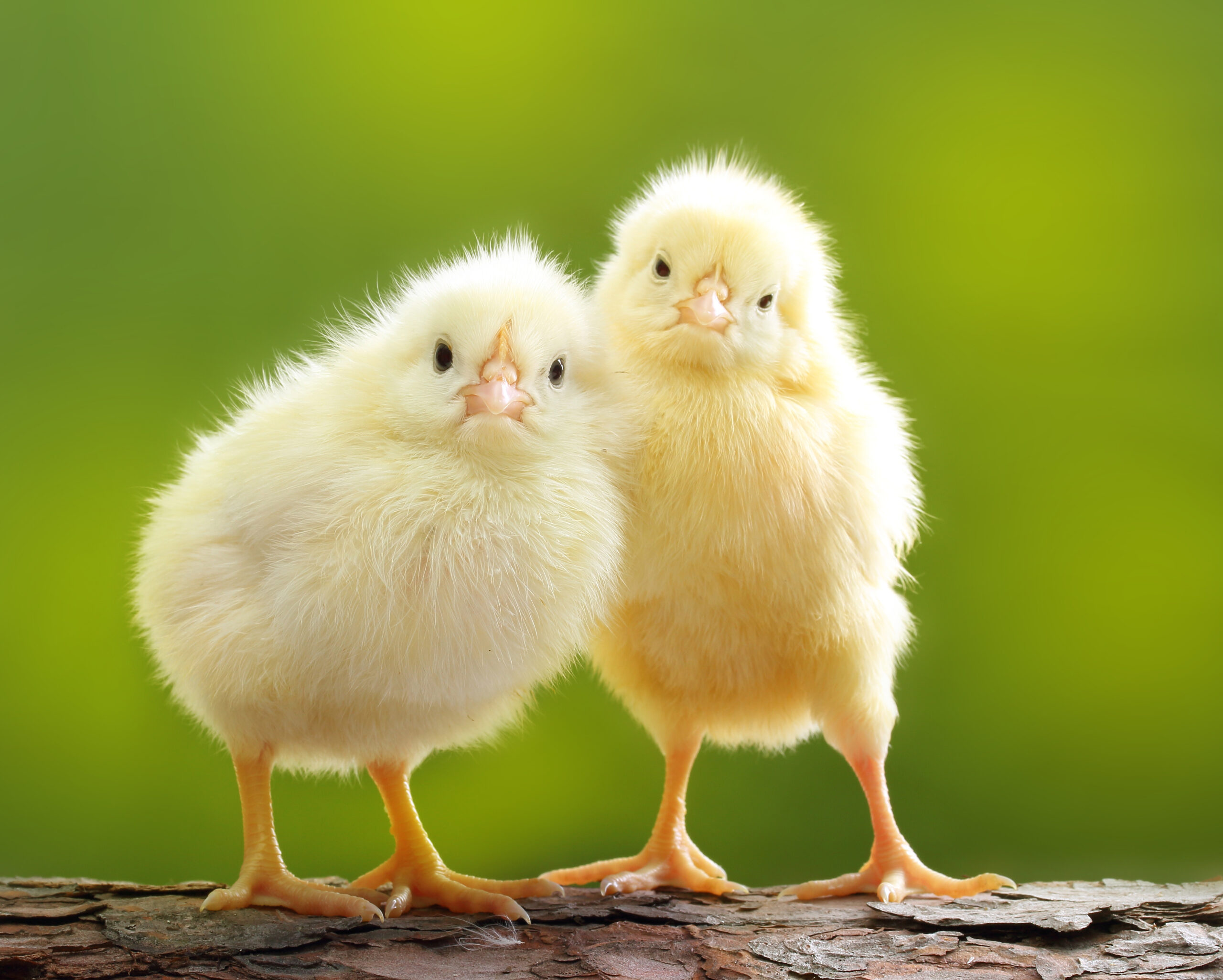
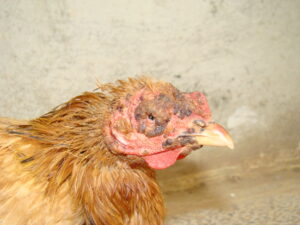
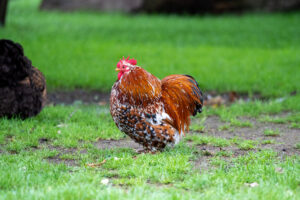
Chickens follow a slightly different pattern. Instead of shedding in spring, they typically molt in late summer to fall as daylight hours decrease. However, they still rely on photoperiod changes to regulate feather replacement.
Frequently Asked Questions About Animal Shedding
What causes animal shedding in livestock?
Animal shedding is primarily caused by changes in daylight length, known as the photoperiod. As days grow longer in late winter and early spring, hormonal changes signal animals to shed their winter coats.
Do animals shed because of warmer temperatures?
No, temperature plays only a minor role. Shedding is controlled mainly by daylight, which allows animals to prepare for seasonal changes in advance.
When does animal shedding start?
Shedding typically begins weeks before spring temperatures arrive—often in late winter—when daylight hours start to increase.
Do all farm animals shed the same way?
No, shedding varies by species and breed. Animals in colder climates tend to grow thicker coats and may shed later than those in milder regions.
Is animal shedding a sign of good health?
In most cases, yes. Regular seasonal shedding indicates that an animal’s natural biological rhythms are functioning properly.
So while it might seem like coat growth should be a direct response to temperature, your livestock’s bodies are actually a little more sophisticated than that, anticipating the changing weather, and growing exactly the right amount of coat for the climate based on the Earth’s yearly trip around the sun.
This article about animal shedding was written for Hobby Farms magazine. Click here to subscribe.