Hives are dormant in the winter, but beekeepers can stay busy by sharing experience and wisdom with people new to the practice. Here's how.
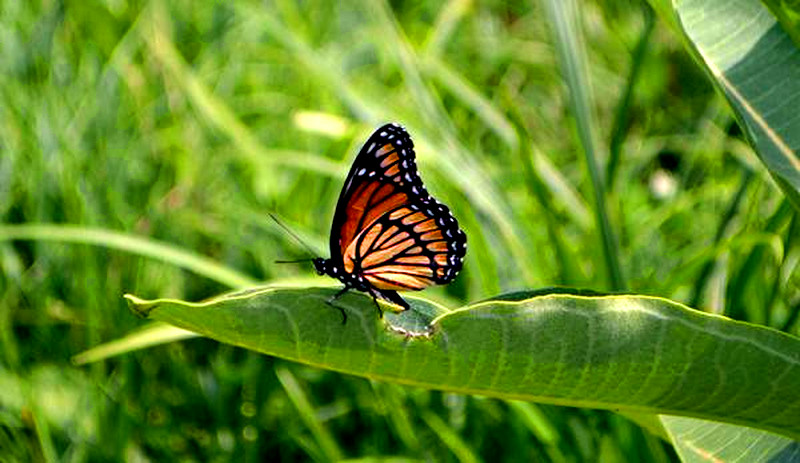
Monarch butterflies travel as far as 3,000 miles roundtrip. Their migration is similar to that of the honeybee. Here's how you can help protect them.

It's OK to have honey in your coffee or tea, but heating it up or cooking with it can raise it to temperatures that change its properties. Here's why that's bad.

Goldenrod is the last source of nectar each year. What some gardeners consider a weed can give bees an important final boost for winter.
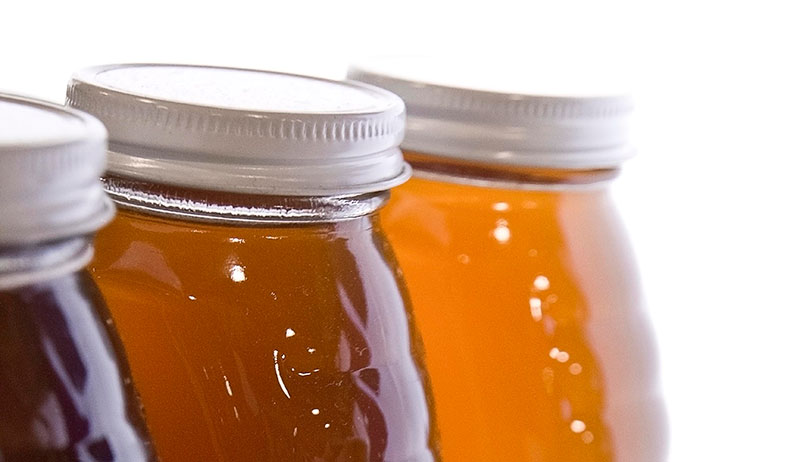
Fall honey is rare compared with honey harvested in spring and summer. Here are four fall varietals that reflect their places and plants of origin.
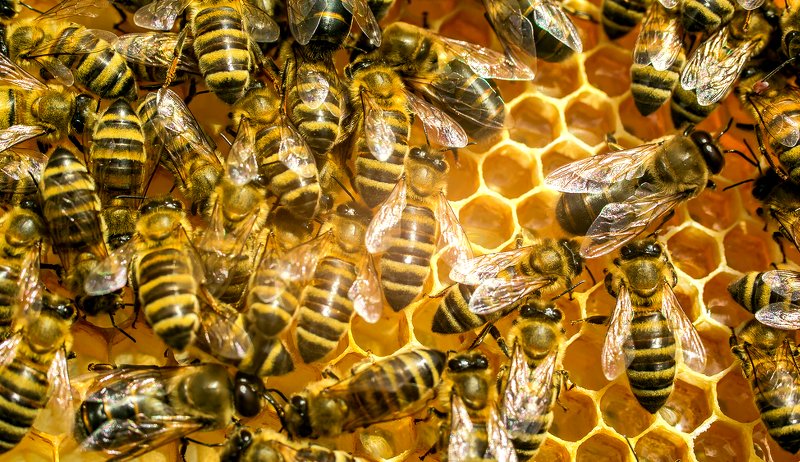
Take these simple measures to start preparing for colder fall and winter weather and ensure health for your bees during the months ahead.
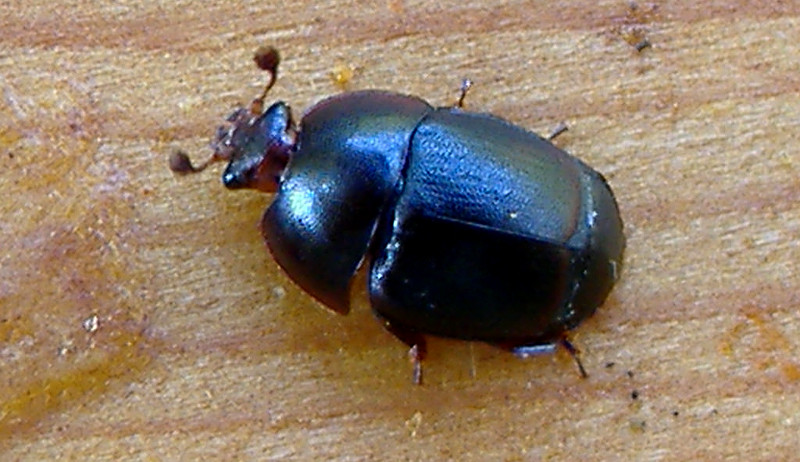
The small hive beetle is a tiny pest but should not be underestimated. While not devastating in itself, it can contribute to colony collapse.

What you can salvage and the lessons you can learn depend on the reason behind the dead beehive. How you handle it is what makes you a better beekeeper.

When nectar stops flowing during the summer, your bees will exhibit unusual behavior. Here are the signs that your hive is in a dearth.

Point your bees to a singular source, and bottle the specific flavor of your neighborhood. Here are tips on producing varietal honey.

When to harvest honey depends on multiple factors including your region, the time of year and your bees. Here are the signs that tell you honey is ready.

Bats, butterflies and hummingbirds help in addition to bees and other insects. Learn about native pollinators and what you can do to protect their habitats.