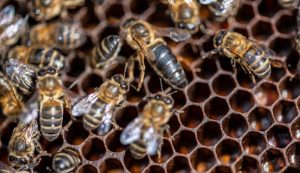
In this excerpt from "Raising Resilient Bees," authors Eric and Joy McEwen share some insight into how and why they rear queen bees naturally.
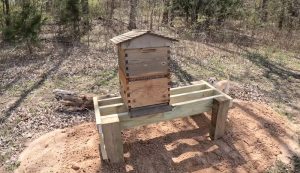
I'm getting ready for my first year as a beekeeper. My hives are ready, but I'm building this simple, table-style bee stand to keep the boxes off the wet ground.

This year, farm smarter not harder with these 125 tips put together by our contributors in celebration of Hobby Farms' 125th issue!

Certified Naturally Grown offers a grassroots option for responsible agricultural production and guidance, without the many hurdles of organic certification.

Though "natural" is always a good goal, expect to help honeybees through the winter with supplemental feedings to sustain conditions not found in nature.

Help out honeybees by growing a variety of forage to provide the various essential nutrients a hive needs to survive and thrive.

Langstroth beehives will fit the bill for many beekeepers, but a few different designs do exist to choose from when keeping honeybees.

Read about how beekeeper Stephanie Grant of Sassy Bee Honey in Wilmington, Delaware, puts hive mentality to work for hobby-business success.

From mice to skunks to bears (and even people), predators can do a number on bees, so follow these easy steps to keep trouble at bay.

We talk to Melanie MacInnes from Locality Brewing, a British Columbia-based farm brewery, about hand-scything, antique threshers and their super-local process.

New findings could mean access to powerful nutritional supplement in the form of probiotic microbe B. apis for honeybees to bolster strength.

Hawthorn Creek Homestead founder Brandie Funk tells us how her flock of chickens, the Kardashihens, and bees help to uphold a family farming legacy.