In certain situations, bees need food to help the colony survive. Here are some tips—when, how, what and how much—for feeding honeybees.

Head brewer Jon Kielty talks about using hops, grains and honey from local sources, some within a few blocks of the New York City brewery.

Coordinating gardening efforts with nearby property owners can help honeybees, hummingbirds, butterflies and other pollinators.

Navigate the wrath of yellow jackets — aggressive insects that can each sting multiple times — by understanding seasonal changes in their behavior.

Bears looking for honey can cause a great deal of damage and break up your colonies of honeybees. Here are ways to prevent that.

Bee Campus USA, an extension of the existing Bee City USA, has faculty, staff and students educate the public and create habitats beneficial to pollinators.
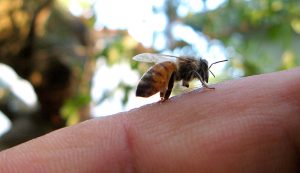
It happens to beekeepers as well as outdoor enthusiasts. Here's what to do right after a sting. (If you're allergic, see an allergist before it happens.)

Summer is an abundant time, but nectar sources can decrease as part of nature's cycle. Here's how to spot the dearth and how to respond.

For Jaime Cool and her family, an off the grid homestead of livestock, produce and bees takes a lot of work. But "it's a good life not many people get to experience."

This excerpt from Storey's Guide to Keeping Honey Bees covers summer inspections and potential problems such as nectar scarcity, mites and missing queens.

Bee hunting, finding and following wild honeybees, is a mix of excitement and mindful meditation that provides valuable insight into the lives of bees.

Top-bar hives have basic as well as optional components. Which ones you use—and how you use them—depends on your beekeeping goals and philosophy.