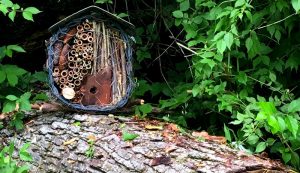
Supporting leafcutters, masons and other species of native solitary bees is just as important as helping their managed-colony counterparts.

The beekeeping hobby is full of opinions and advice—and not all of it is good. We separate truth from several common beekeeping myths.

These easy techniques help you attract customers, spark conversations and share information about beekeeping at the farmers market.

Thoughtful setup and preparation for your hives now can save you (and your bees) loads of time and trouble later.
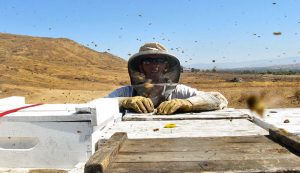
Online tools can help establish and maintain communication between pesticide users and beekeepers.

To best interact with your bees, wear something that's comfortable while also calming to bees. Here are tips on clothing and other preparation.

Conservation researchers increasingly rely on crowdsourced data to identify threats to pollinators. Here are ways you can help collect and report information.
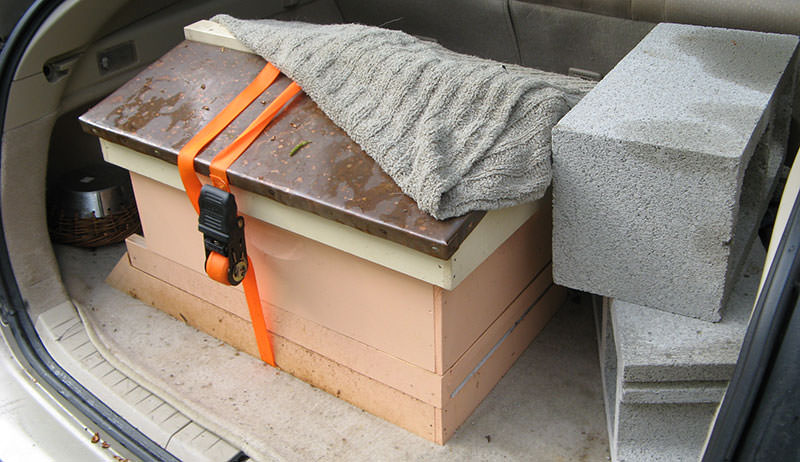
Preparation for a hive move happens in two stages: getting the beekeepers and equipment ready, and getting the hive ready.

Provide honeybees and other pollinators with a rich source of nectar and pollen nearly year-round by following these steps for your garden.

As a beginning beekeeper, you can choose from several hive design. Give some additional consideration to best home for your bees.

Children can dream of various careers in agriculture, thanks to a big boost by Mattel Inc.'s best-known spokesmodel, Barbie.

Happy, healthy honeybees of good "survivor stock" are crucial to a new hive's success. Here's how to find the best breeders when buying bees.