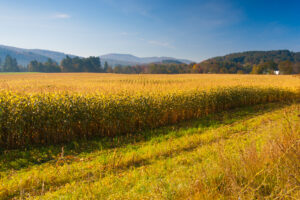
In many parts of the U.S., you still have time to grow buckwheat, a wonderful crop to benefit your garden, yourself and your bees.
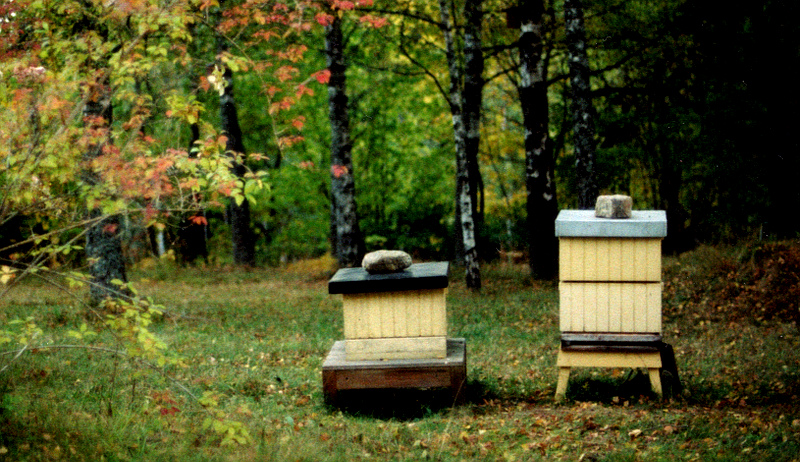
A few relatively easy chores now can set the stage for your bees' success in the seasons to come. Here are basic fall maintenance tasks.
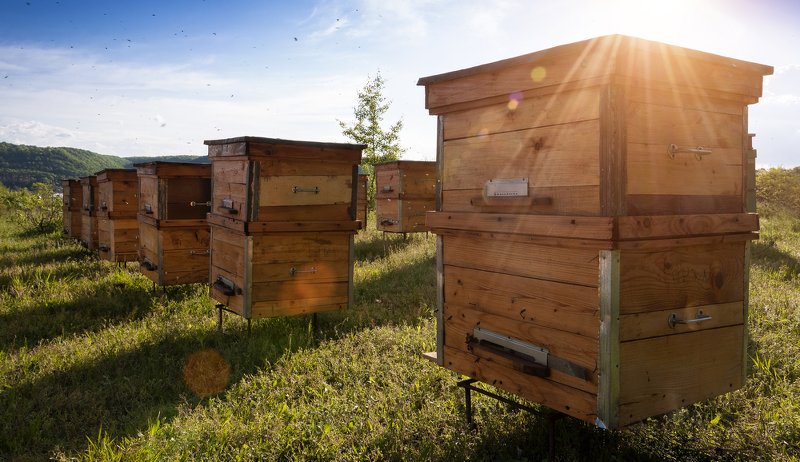
As summer departs and autumn arrives, observe your colonies and ask these questions to give them the best chance of surviving winter.
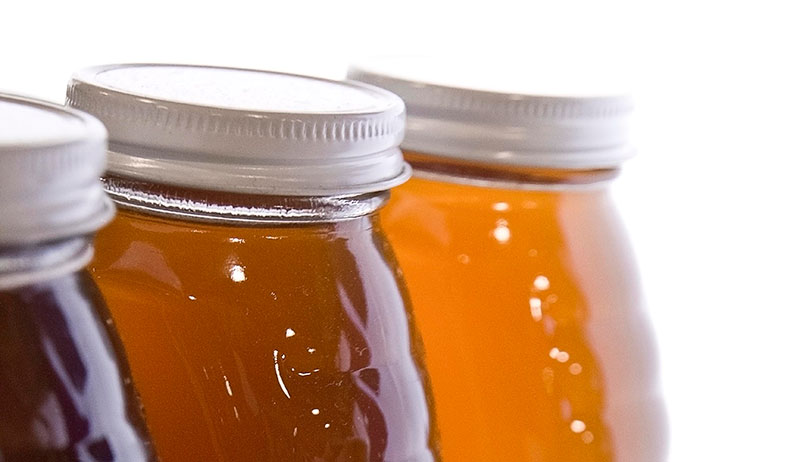
Adulterated versions of honey are on the market, so don't be fooled by misleading labels. Real honey is easy to spot if you look in the right places.

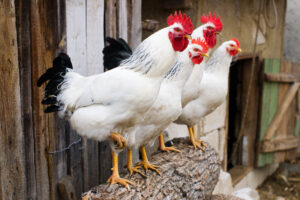
This round of contenders is led by a group of cows watching a fencing project. Also appearing are a honeybee, goats, a rooster and a smiling lamb.

There are many simple, inexpensive ways to draw native bees and honeybees to your yard. Here are some tips—none requiring a bee suit.

A new study finds which types of milkweed most benefit these pollinators as well as the best places in the garden to plant them.

We've fallen short in many aspects of farm life (including with our bees), but sometimes Mother Nature cuts you a break.

Robbing is just what it sounds like, and it happens to strong hives. Here's what to look for and how to prevent it.

A fast-growing bee colony is at risk of generating a swarm. You can prevent that and also create a new hive through something called a split. Here's how to do it.

June is a fine time to be a bee, but the start of summer brings fast growth on many fronts. Here are things you can do as a beekeeper to protect your colony.

Under certain conditions, if you harvest a small amount of honey in the spring responsibly, your bees will reward you later in the year.