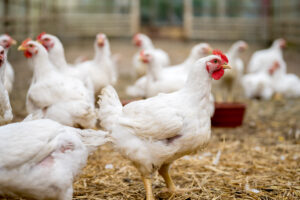
Small flocks create big benefits for soil and farm budgets. Two tools from the USDA and Colorado State University help you see them.

Some advocate vaccination of newborn calves while others advise waiting because the energy of immune response is better used elsewhere so early in life

Birth, nutrition, and various transitions such as weaning are part of raising the best calves possible. Increase your knowledge to give yours a great start.

Poisonous plants can make livestock ill or even kill them, so have a management plan to keep your fields healthy. Here are tips and common plants to avoid.

Keep your cattle, pigs, goats, sheep and chickens safe from threats by various predators with these tried-and-tested techniques.
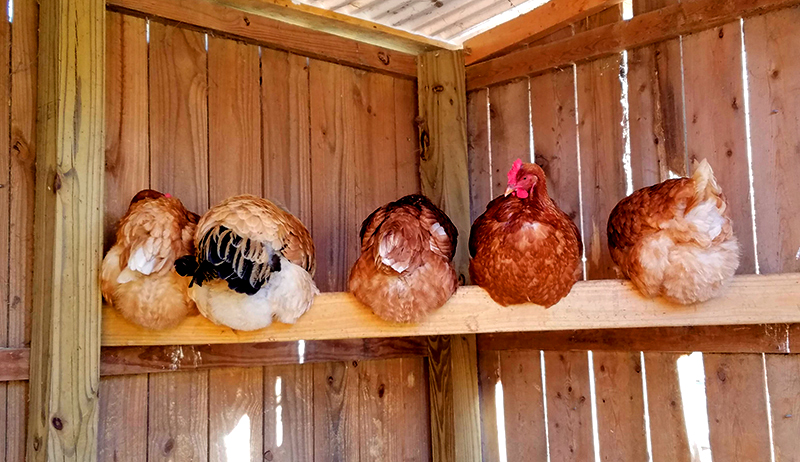
We see double in photos of hogs, sheep and calves. Poultry and a big cow tongue round out the best submissions from a recent print issue.

Sure, a farm always has more than enough problems you can fix, but take opportunities to enjoy when things go right. It could pay off in unexpected ways.

Managing parasites in goats often loses effectiveness over time. Keep your worm treatments effective with these three valuable tools.

Requirements for dairy and meat goats differ, and they're not always similar to those for dairy and beef cattle. Here's our guide to nutrition for goats.

The Sheep Care Guide, produced by the American Sheep Industry Association, covers feed safety, transportation, regulatory data and emergency planning.

Getting a few chickens can lead to a full flock, which can then lead to a diverse farm with many types of animals. Here are the basics on adding livestock.

These measures that cover food, bedding, shelter and dry ground will keep your goats safe during flooding. It takes some work, but it's worth it.