Some of the Spanish goat's colorful regional names suggest one of their primary uses: they're called "brush goats" and "briar goats" in the Carolinas, "wood goats" in Florida, "Hill goats" in Virginia, and "scrub goats" throughout their original range.

Toggenburgs are marvelous dairy goats. A Toggenburg doe, GCH Western-Acres Zephyr Rosemary, currently holds the Guinness Book of World Records title for giving 9,110 pounds of milk amounting to nearly 1,140 gallons in 365 days.
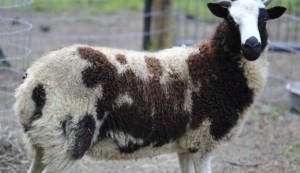
Often described as an "ornamental" sheep, the Jacob sheep can be raised for wool and lean, grass-fed meat.

Barbados Blackbellies are meat breed sheep ideal for low-input, organic, and grass-fed lamb operations.
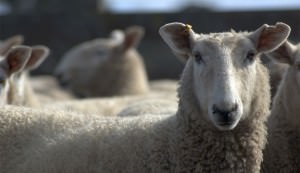
The long-wool Border Leicester--a favorites among hand spinners--was the sheep featured in the movie "Babe."

Dual-purpose Cheviots produce delicious meat and white wool. They're also known as Border Cheviots because they were originally raised on the border between Scotland and Northumberland in England.
The Clun Forest can be used to produce wool, meat and milk. They're an ideal sheep for grass-fed and organic lamb production.
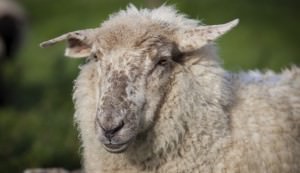
Sporting a wool-free face, the Coopworth produces large amounts of lustrous wool, as well as meat.
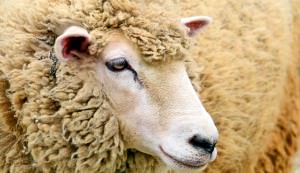
Hailing from New Zealand, the adaptable Corriedale produces wool compared to merino.
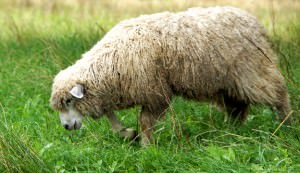
If you're a fiber artist or conservator breeder, here is your sheep! The Cotswold is a peerless producer of eight to 12 inch locks of lustrous white or colored fiber in the 33 to 40 micron range; ewes clip about 12 to 15 pounds of fleece.
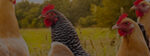
Andalusions are fairly quiet and tolerant of confinement, making them a good backyard chicken.
The Alpine is a hardy goat known for its adaptability in different climates.