Bee Campus USA, an extension of the existing Bee City USA, has faculty, staff and students educate the public and create habitats beneficial to pollinators.

Alice Percy provides detailed instructions for humanely raising pigs on pasture in a book that's valuable to homesteader and commercial farmer alike.
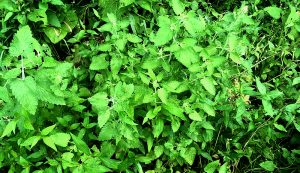
Whether you want to pour yourself a cup of catnip tea or make your kitty a catnip-stuffed toy, this is one versatile purr-ennial.

Raccoons persisted until finding a way into one of our coops and killing all but 2 chickens. Here are potential weak points and how to secure them.
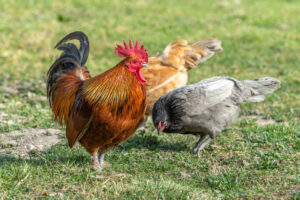
Predators or other extreme events can unexpectedly claim the life of your rooster. These tips will help you swiftly find a new flock leader.

If you're considering entering animals at a county fair, here are the health and identification requirements you can expect before they hit the show ring.

Learn how you can use different species of clover for cover crops, hay, grazing, soil improvement and various health benefits.

No single method works on all predators. Here's how to determine the threats your birds face and defend your flock accordingly.

We talk with Tito's owner, Gustavo Esparza, about his Indian Runner duck who wows crowds at comic conventions with his cosplay.

Pigs can be good investments for small farms, but the best type for your operation depends on factors such as space and what cuts of meat you most want.

Pigs eating kitchen scraps can help you with waste disposal and feed costs, but carefully consider what you give them. Here's why.
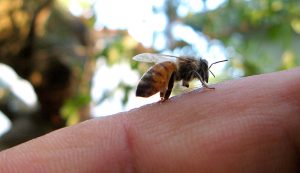
It happens to beekeepers as well as outdoor enthusiasts. Here's what to do right after a sting. (If you're allergic, see an allergist before it happens.)