These easy techniques help you attract customers, spark conversations and share information about beekeeping at the farmers market.

"Lifestyles of the Chicken Famous" is the title of a new book that's a pleasure for your poultry-loving peepers.

If your hens lose feathers and look scruffy but it's not molting season, it could be that year-round laying is taking its toll on their systems.

Breeds including horses, donkeys, alpacas, rabbits and ducks can be therapy animals, providing companionship and helping people with physical, mental and emotional recovery and development.

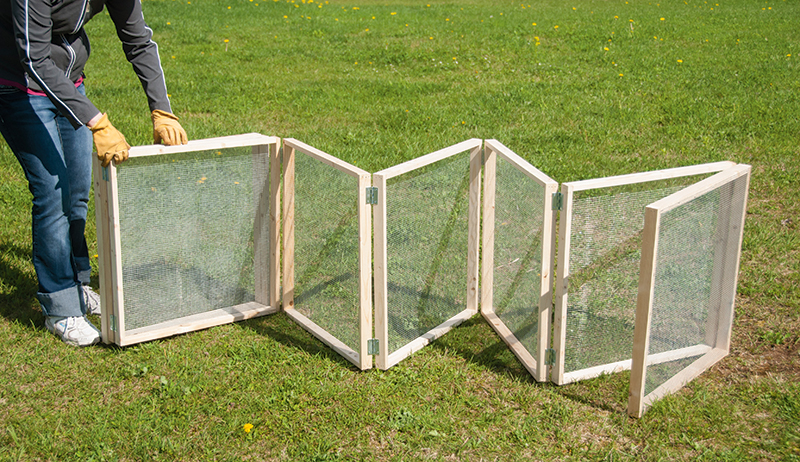
Let your flock forage during the day and get natural nutrition while you also protect your garden from getting "fowled" up with a chicken corral.

Hens' insides sometimes make mistakes, resulting in double- or even triple-yolk eggs. Here's how it happens and some associated egg myths and legends.

When Tammy Trayer first glimpsed the West, she knew it was the place she wanted to call home. She and her family now live the life of extreme outdoorspeople in Idaho.

A veteran chicken-keeper answers questions about a chance discovery of excess eggs, "singing" hens and how much feed is too much.

No longer just a commercial egg producer, the Leghorn is experiencing a comeback as America's favorite backyard heritage bird. Here's all you need to know.

In the fifth part of this series, we continue alphabetically through chicken ailments, covering omphalitis, pasted vent, pox, rations, reproductive health, respiratory health and sour crop.

Thoughtful setup and preparation for your hives now can save you (and your bees) loads of time and trouble later.

Cattle can indeed get sunburn, and some forms of it signal a more serious problem. In this Q-and-A, we learn what to look for and how to respond.