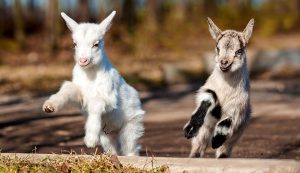
Play helps domesticated animals learn about themselves and their environment while strengthening companionships. Play is a sign of a healthy animal.

Residents in this historic district of Tampa cherish and look after their wild chicken population as part of the area's old world charm.
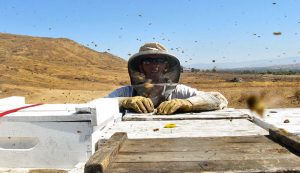
Online tools can help establish and maintain communication between pesticide users and beekeepers.

Ducks and geese have slightly different requirements than chickens. Here's how to prepare for these waterfowl and when they can integrate with chickens.

Goat milk has nutritional advantages over cow's milk, and you can use it for many delicious and pragmatic ends. Here are several to consider.

The Plymouth Rock is a versatile heritage-poultry breed, ideal for eggs, meat, temperament, mothering and appearance. Here's all you need to know.

You can have homegrown milk, cheese and yogurt in many varieties with suitable small-farm dairy cattle, goat and sheep breeds. Here are the basics on the animals and milking.

Here are essential facts about groups of nutrients that are crucial to the health of various livestock species on the farm.

Many animals produce fiber, including sheep, goats, alpaca, rabbits, bison and musk ox. Here's a guide to the types and qualities that come from various sources.

Many surgical procedures can be done on the farm. In part one of this series, here are some common surgeries your animals might encounter.

If livestock breeds such as cattle, goats and sheep aren’t enough for your small farm, venture into some of these more unusual animals.

To best interact with your bees, wear something that's comfortable while also calming to bees. Here are tips on clothing and other preparation.