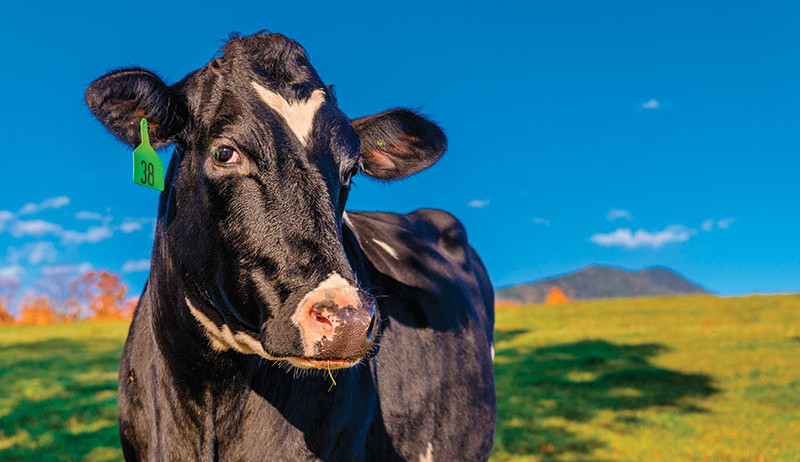
Gut health is a popular concern these days, and pigs are no exception—it pays to mind your pork bellies before they leave the farm.

For Jaime Cool and her family, an off the grid homestead of livestock, produce and bees takes a lot of work. But "it's a good life not many people get to experience."

Therse Steps are Crucial to Getting Your Geese & Ducks Through Hot Weather

In the final part of this series, we continue alphabetically through chicken health issues with scaly leg mites, thrush, transmission of disease and vaccination.

Asian lady beetles, box-elder bugs and darkling beetles are not parasitic or particularly harmful insects, but chickens won't eat them, and they love coops.

This excerpt from Storey's Guide to Keeping Honey Bees covers summer inspections and potential problems such as nectar scarcity, mites and missing queens.

If you have enough land, it might make sense to grow hay to feed your animals and sell to other farmers. Here's what you need to know.

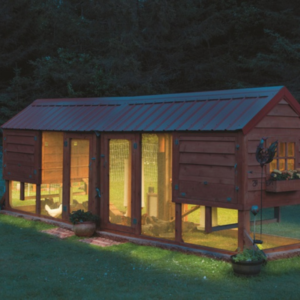
Spring and summer bring severe weather in the form of storms and tornadoes. Prepare your coop to keep your chickens safe.
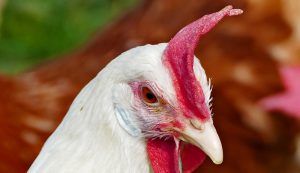
Chickens are better adapted to handle cold temperatures than heat. Here are ways to keep your flock safe during hot weather months.

The iconic farm barn has taken on many forms for many purposes. Here's how to identify different types of barns as well as some common attributes.

Duck and goose eggs are quite different than those of chickens. Here are the basics about the eggs, breeds, yields and laying habits.

This round of contenders, led by a very thoughtful horse, includes a gorgeous chicken, a playful pig, curious camelids and a friendly donkey.