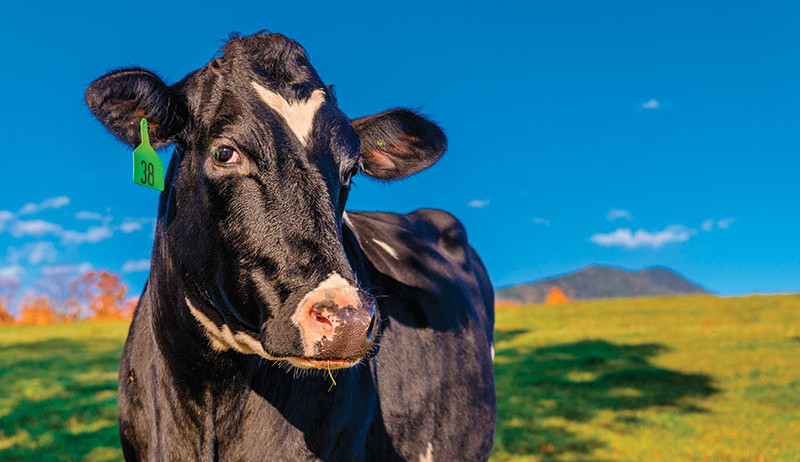
When Tammy Trayer first glimpsed the West, she knew it was the place she wanted to call home. She and her family now live the life of extreme outdoorspeople in Idaho.

A veteran chicken-keeper answers questions about a chance discovery of excess eggs, "singing" hens and how much feed is too much.

No longer just a commercial egg producer, the Leghorn is experiencing a comeback as America's favorite backyard heritage bird. Here's all you need to know.

In the fifth part of this series, we continue alphabetically through chicken ailments, covering omphalitis, pasted vent, pox, rations, reproductive health, respiratory health and sour crop.

Thoughtful setup and preparation for your hives now can save you (and your bees) loads of time and trouble later.

Cattle can indeed get sunburn, and some forms of it signal a more serious problem. In this Q-and-A, we learn what to look for and how to respond.
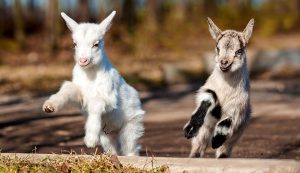
Play helps domesticated animals learn about themselves and their environment while strengthening companionships. Play is a sign of a healthy animal.

Residents in this historic district of Tampa cherish and look after their wild chicken population as part of the area's old world charm.
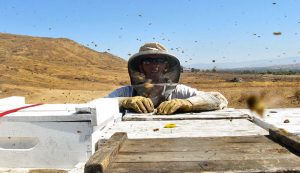
Online tools can help establish and maintain communication between pesticide users and beekeepers.

Ducks and geese have slightly different requirements than chickens. Here's how to prepare for these waterfowl and when they can integrate with chickens.

Goat milk has nutritional advantages over cow's milk, and you can use it for many delicious and pragmatic ends. Here are several to consider.

The Plymouth Rock is a versatile heritage-poultry breed, ideal for eggs, meat, temperament, mothering and appearance. Here's all you need to know.