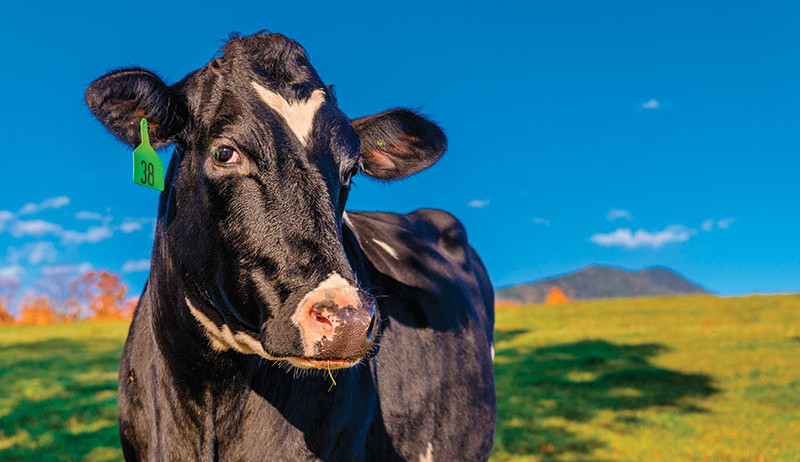
You can have homegrown milk, cheese and yogurt in many varieties with suitable small-farm dairy cattle, goat and sheep breeds. Here are the basics on the animals and milking.

Here are essential facts about groups of nutrients that are crucial to the health of various livestock species on the farm.

Many animals produce fiber, including sheep, goats, alpaca, rabbits, bison and musk ox. Here's a guide to the types and qualities that come from various sources.

Many surgical procedures can be done on the farm. In part one of this series, here are some common surgeries your animals might encounter.

If livestock breeds such as cattle, goats and sheep aren’t enough for your small farm, venture into some of these more unusual animals.

To best interact with your bees, wear something that's comfortable while also calming to bees. Here are tips on clothing and other preparation.

Conservation researchers increasingly rely on crowdsourced data to identify threats to pollinators. Here are ways you can help collect and report information.
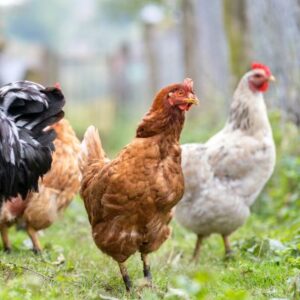
Do you draw a blank when you try to name new members of your flock? Use one of these methods to assign your chickens names.

Many fencing systems exist, and selection depends on animals, grazing management plans, long-term goals and budget. Learn which is right for you.

Consider feeding them hay, planting certain types of trees that provide food when you pasture them, devising an effective water system and making your own feed.

Not immediately, but there's a chance the disease could spread to North America. In the meantime, here are biosecurity tips for your pigs.
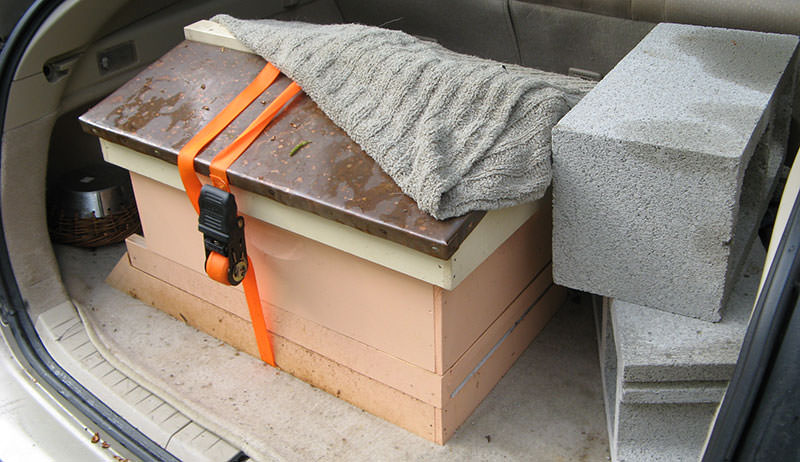
Preparation for a hive move happens in two stages: getting the beekeepers and equipment ready, and getting the hive ready.