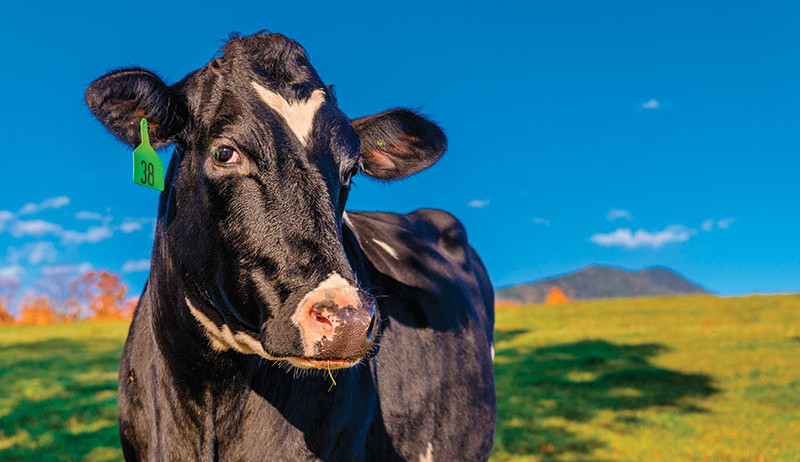
A program administered by the Bureau of Land Management has sent some 240,000 animals to private care since it started in 1971. Here's how it works.

The sticky substance that aggravates beekeepers benefits collective and individual honeybee health. Researchers have triggered bees to forage for more resin to produce propolis, and so can you.
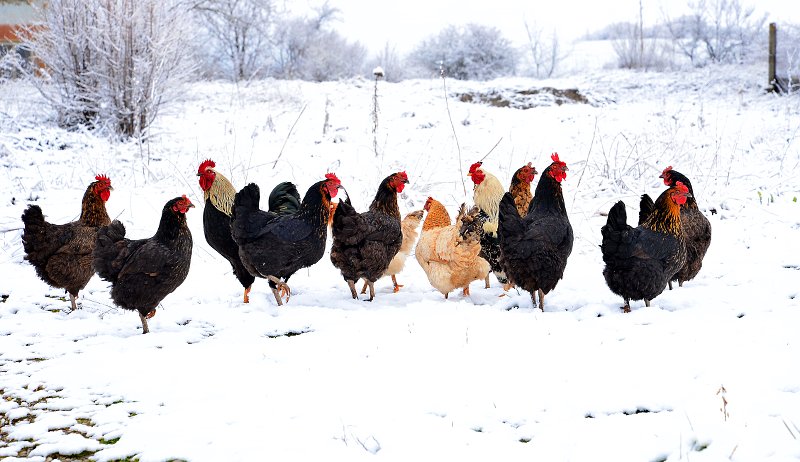
Winter temperatures, snow and ice create challenges for people caring for chickens. Use these suggestions we've learned in Michigan to make those duties as tolerable as possible.

Camels, low-maintenance animals that originated in North America, are cold-hardy and heat-resistant. They produce lots of milk and can be raised for meat and hides. Do they have a future in the American Southwest?

Winter is the time to look ahead and plan the coming year. We plan to add Runner Ducks, separate chickens and guineas, and (because we have 24 geese) start selling eggs.

Follow these guidelines on terminology, animals, preparation, bidding and other aspects of buying livestock at an auction or sale barn.

Follow these tips to keep your chicks from piling in a corner of the brooder and smothering one another.

Transform your chickens from an everyday association into a gorgeous gathering by adding birds with these eye-catching feather patterns.

Researchers have developed bees that naturally fight Varroa mites, foulbrood and chalkbrood. Here's how you can make it work in your hives.

These efforts that emphasize health, training, exercise and appearance will help your goats thrive throughout the year.
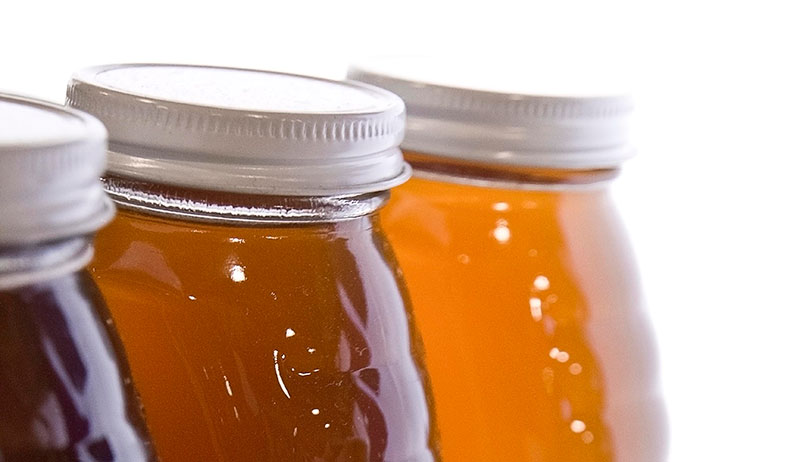
Honey is incredible, delicious and fascinating, and it relies on hard work—both from the tireless bees and their human stewards.

Chickens can encounter three types of cats: pets, barn cats, and strays or ferals. Learn how they're different and how you can protect your flock.