Our holiday took a surprising twist when Fat Boy took alarmingly ill. Was it cold-weather exposure or one of two diseases that could sicken our other birds?
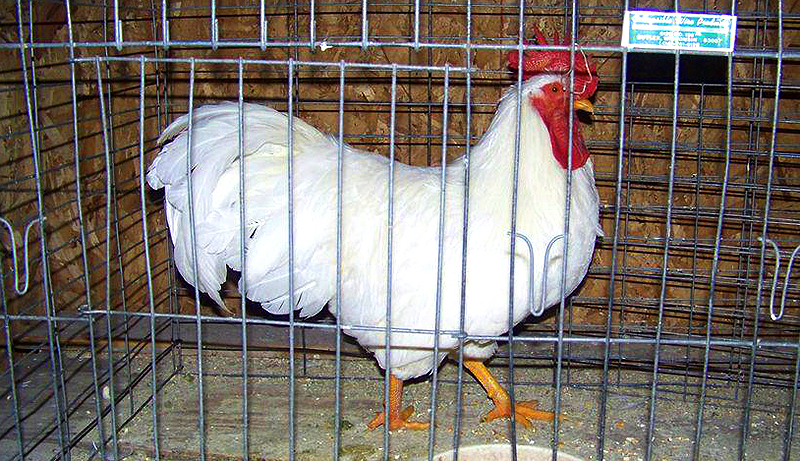
The Lamona, created in the early 20th century, is a high-quality, dual-purpose chicken breed. Lamona hens typically lay more than 200 eggs a year.
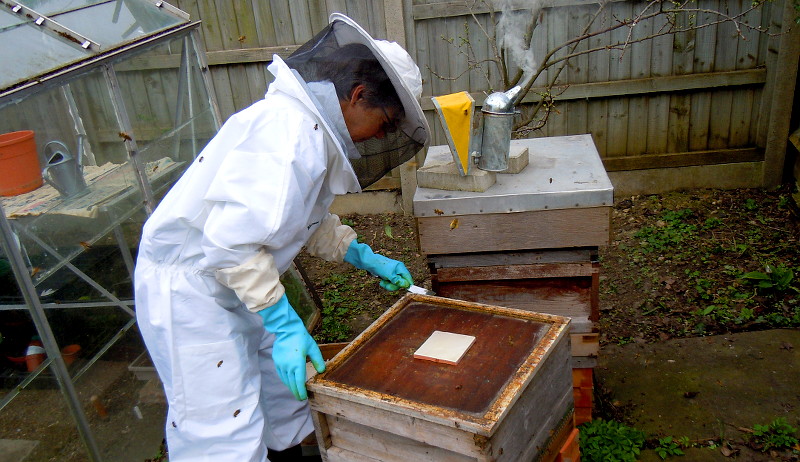
In this first of two parts, we cover the numerous ways that we beekeepers cause stress and anxiety for our charges in their hives.

In this final of four parts, we learn how chickens adapted to what they couldn't escape via migration. Molting for winter months is a perfect example.

Mobile processing units are portable setups with equipment to process chickens for meat. The low-cost method lets farmers handle their own poultry harvests.

In this third of four parts, we learn how goats evolved to be versatile climbers, why some sheep produce no wool, and how some breeds became domesticated.

The design and cost of a coop varies with needs and budget. This light, mobile coop lets chickens spend days roaming fenced areas and nights secured inside.

Coyotes are becoming more common throughout the U.S., and they're showing up during daylight hours. Here's what you can do.

Predators that climb, dig, fly and reach through fencing require different means of prevention. Here's how to guard your chickens against which ones.
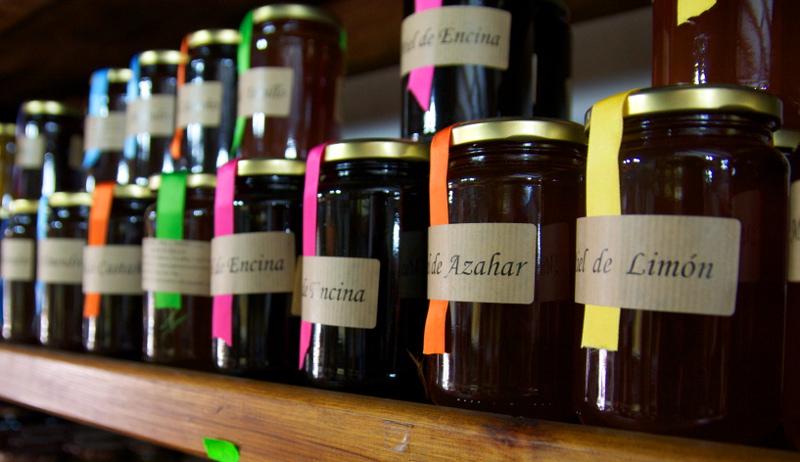
Pop up shops, sometimes called "flash retail," are a recent trend that lets you set up and sell your products in a small space for a limited time.

In this second of four parts, we learn about a bison-size, prehistoric "terrible pig" and how observing feral pigs can inform care of domesticated ones.
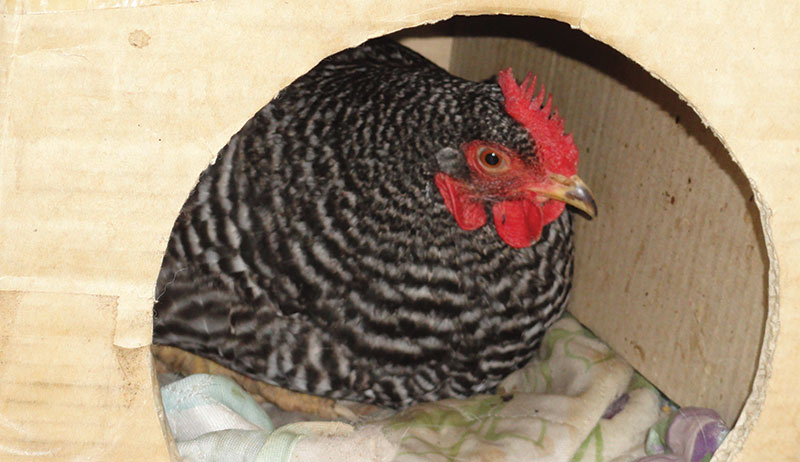
Chickens editors asked for photos, and readers sent them in. Here are some of the best.