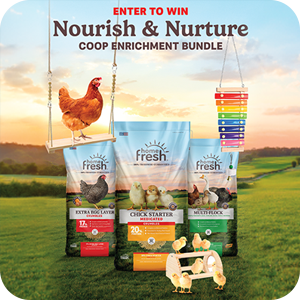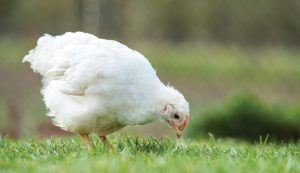
To best support your chicken flock, consider supplementing their diet with treats that offer functionality and nutritional value.
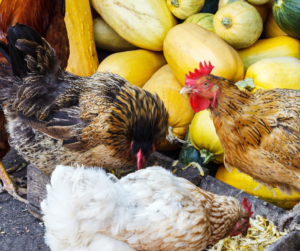
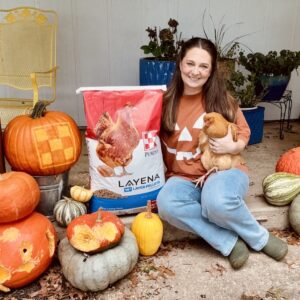
Add other nutritious ingredients to the pulp and seeds then serve it in the pumpkin or squash itself. Here's how to prepare it.
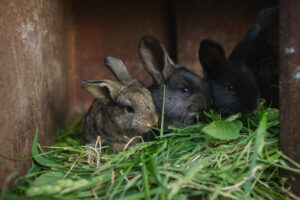
Knowing these rabbit facts for hobby farmers will help you choose the right rabbit for your needs and raise healthy rabbits, for meat, wool, and showmanship.
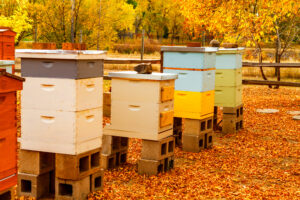
Either the crushing or the spinning method will work for the year's final honey harvest. We examine which makes more sense for beekeepers as well as bees.
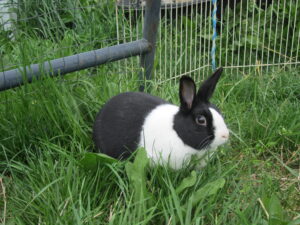
If you are seeking a fun-loving, interactive pet for your backyard or hobby farm, the Dutch rabbit just might be the right breed for you.
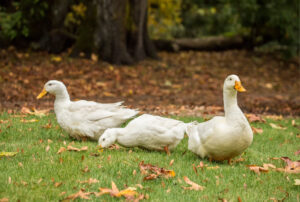
Autumn care will help your ducks stay comfortable and healthy all season long, and make a smooth transition into the winter months.

These ten best rabbit breeds for beginners offer a wide array of breeds to help you get started on your rabbit-keeping journey.
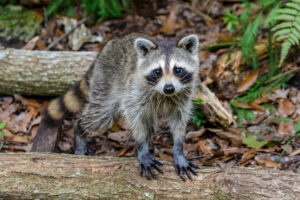
Many common backyard wildlife are chicken predators, and their activity often follows seasonal or migratory patterns.

While it's true that opossums sometimes eat eggs and kill chicks and chickens, it's better to safeguard your hens than try to eradicate them from your property.
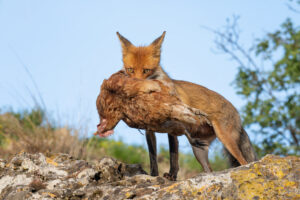
Knowing how to take care of chickens after a predator attack will help to give the victim(s) their best surviving chance.
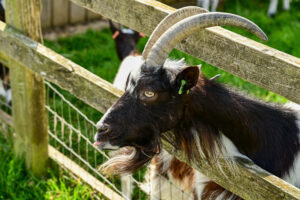
A wether goat is the perfect option for those who are not looking to breed their herd.
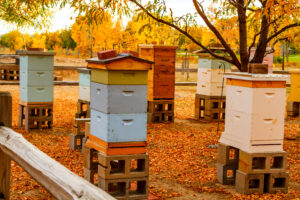
Give your hive a running start on the cold season ahead by making sure they’re well-fed, warm and predator-free.