Rooster spurs are self-defense tools for birds, but they can become dangerous to hens or to roosters themselves. Here's how to reduce their size.

Hives are dormant in the winter, but beekeepers can stay busy by sharing experience and wisdom with people new to the practice. Here's how.

Many species are hardy enough to endure cold weather without help, but younger and older animals sometimes require assistance. Here's how to help.
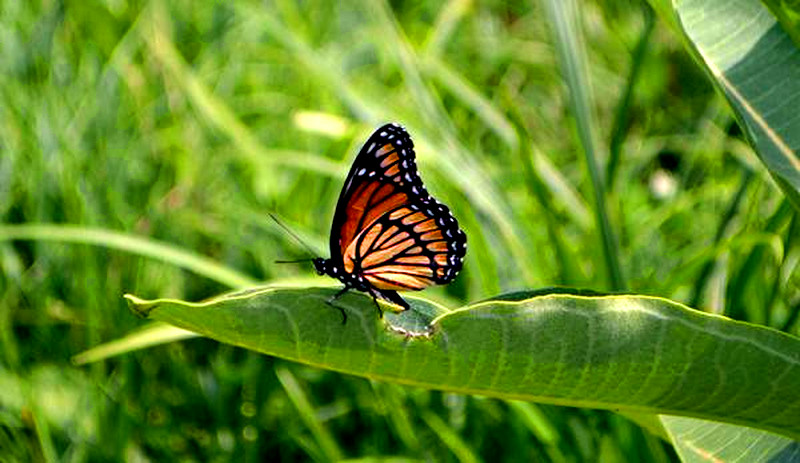
Monarch butterflies travel as far as 3,000 miles roundtrip. Their migration is similar to that of the honeybee. Here's how you can help protect them.
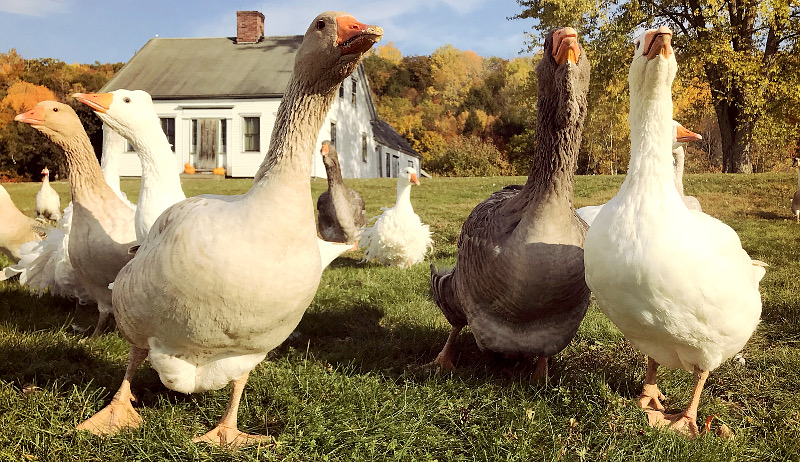
Pest control, large eggs, hen protection and your own entertainment are among the reasons to add ducks and geese to your farm.

Are you finding empty nests in your chicken coop? One of these factors might be contributing to slower laying in your hens.

Small flocks create big benefits for soil and farm budgets. Two tools from the USDA and Colorado State University help you see them.

Some advocate vaccination of newborn calves while others advise waiting because the energy of immune response is better used elsewhere so early in life

Birth, nutrition, and various transitions such as weaning are part of raising the best calves possible. Increase your knowledge to give yours a great start.

Poisonous plants can make livestock ill or even kill them, so have a management plan to keep your fields healthy. Here are tips and common plants to avoid.

It's OK to have honey in your coffee or tea, but heating it up or cooking with it can raise it to temperatures that change its properties. Here's why that's bad.

Keep your cattle, pigs, goats, sheep and chickens safe from threats by various predators with these tried-and-tested techniques.