When nectar stops flowing during the summer, your bees will exhibit unusual behavior. Here are the signs that your hive is in a dearth.
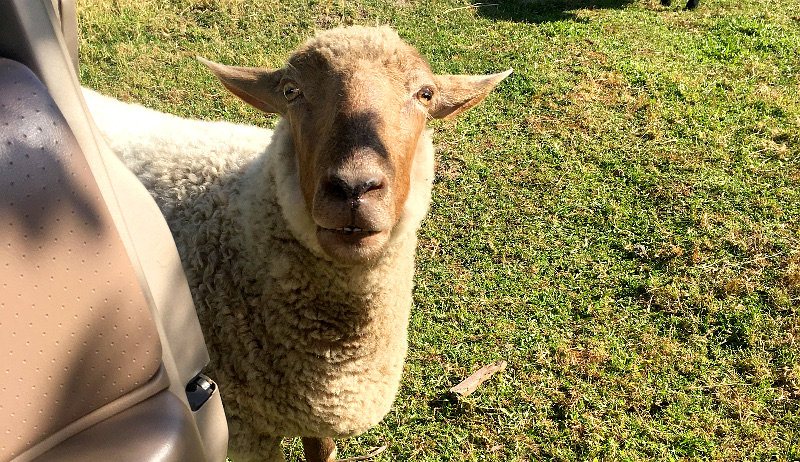
Too little or too much selenium can prove fatal, and salt blocks alone cannot guarantee sufficient amounts. Here are ways to get sheep what they need.

Point your bees to a singular source, and bottle the specific flavor of your neighborhood. Here are tips on producing varietal honey.

When to harvest honey depends on multiple factors including your region, the time of year and your bees. Here are the signs that tell you honey is ready.

As prey animals, donkeys hide pain and discomfort well. Here's what to look for in attributes, movement and demeanor to gauge general donkey health.

Bats, butterflies and hummingbirds help in addition to bees and other insects. Learn about native pollinators and what you can do to protect their habitats.

Mother pigs can be fiercely protective. In the end it's a good thing, but you do have to be careful around an aggressive sow. Here's how.

Animal stress, poor hygiene, improper milk handling and environmental factors are common causes of mistakes that occur when milking a goat.

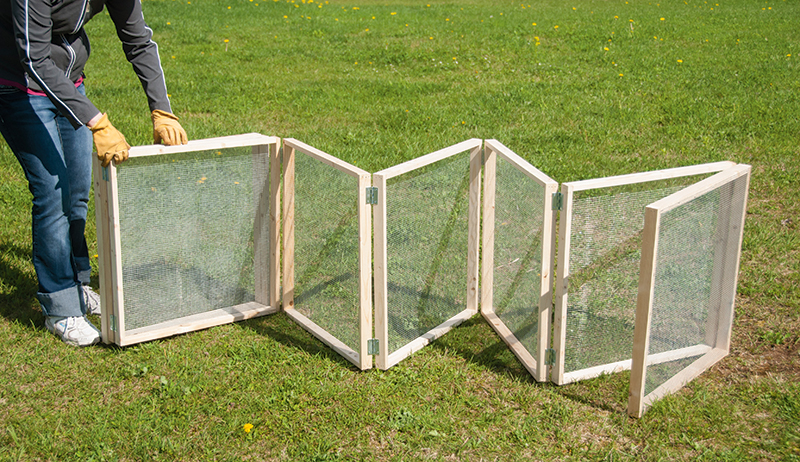
Even though temperatures are rising, your chicks aren't ready to stay outside overnight. Here's what you need to know about placing your chicks outdoors.
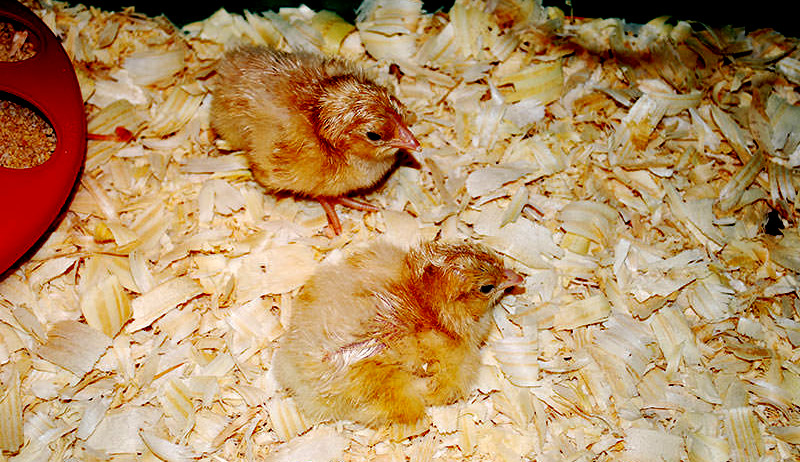
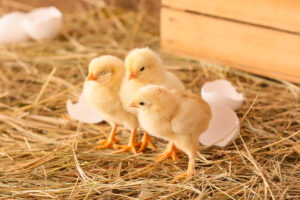
Here is the story in words and pictures of 4 chicks growing up, and our observations of raising chickens from egg to successfully mating in 23 weeks.
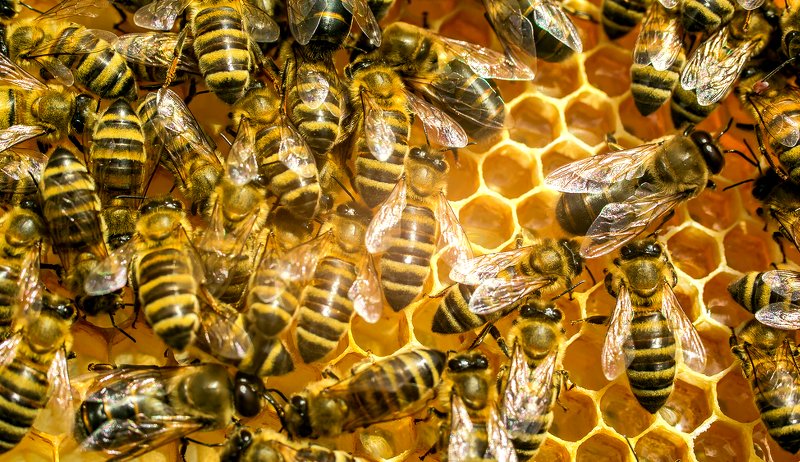
Might we be doing more harm than good by feeding our bees in times of dearth? Here are three reasons I believe the answer might be "yes."

Domesticated goats need help keeping their hooves at the proper shape and length. Get your goats' feet ready for summer with these basic instructions on a pedicure.