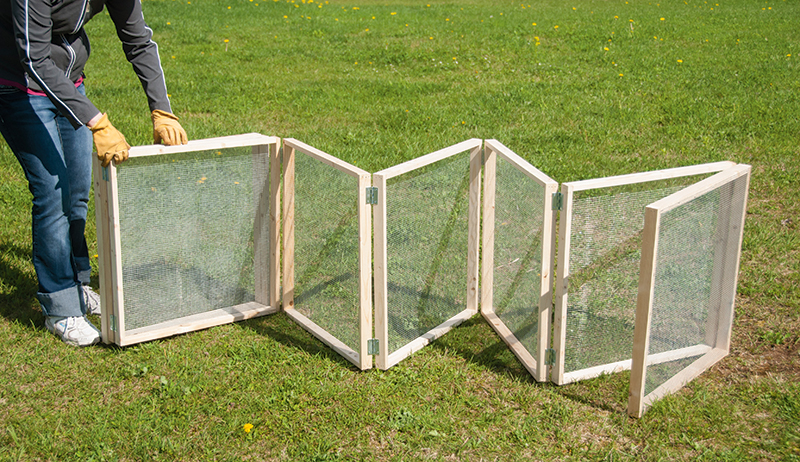
House sparrows bring health hazards and also eat chicken feed. Follow these methods to protect your flock from these small birds.

It's Pollinator Week, and with just a little attention, materials that are already on your property could provide shelter for valuable native bees.

The summer heat brings many bugs to beat. Here are tips on fly control for various types of livestock on your farm.

Keeping your flock internally healthy starts with what the chickens are or are not eating.

Bringing honeybees into your operation can provide more than just honey. Among other things, they're relatively inexpensive and endlessly fascinating.

Surplus eggs from your hens can go toward charity, artwork, athletes, the deep freeze -- or the renewed health of your own hair.
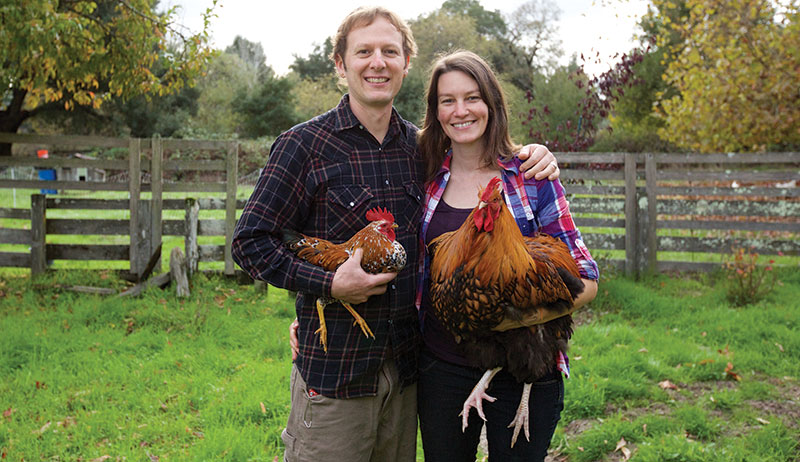
A fascination with colored eggs led a family to establish a Northern California hatchery that's home to many rare chicken breeds.
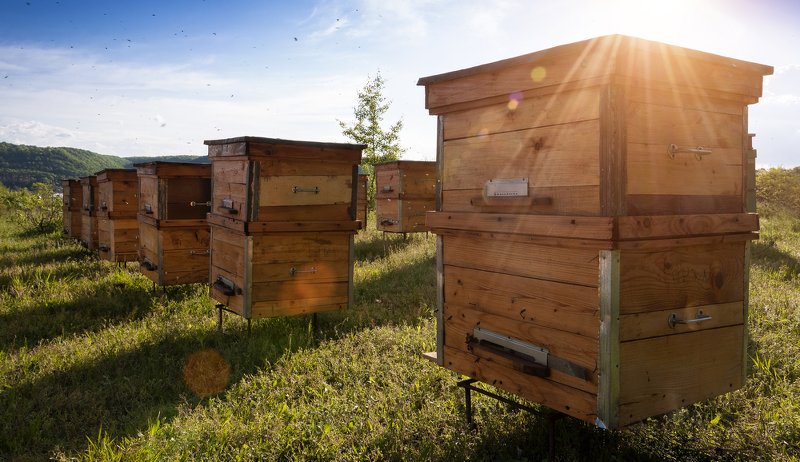
Sweaty hives and bearding bees don't necessarily mean danger. Know how to read these and other signs before taking action to change beehive ventilation.
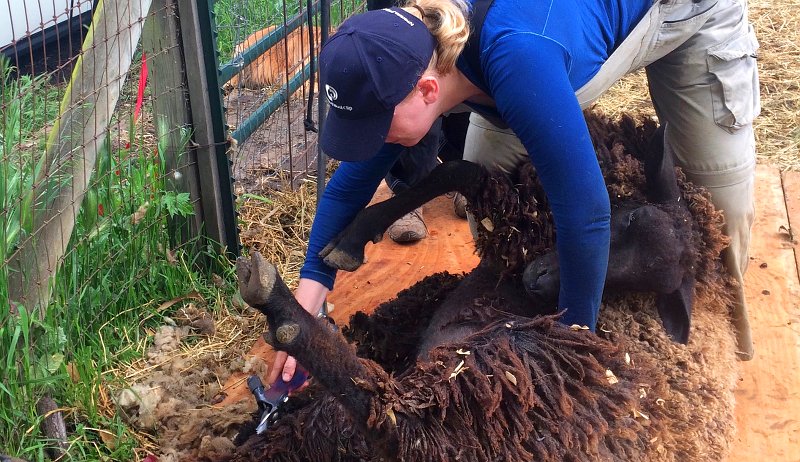
Overfeeding sheep is more harmful to the animals' health than most people might know. Here's how to spot problem weight and what you can do about it.

Chicken feed has many categories. Understanding terms such as natural, organic, medicated and non-GMO will help you choose the best feed for your birds.
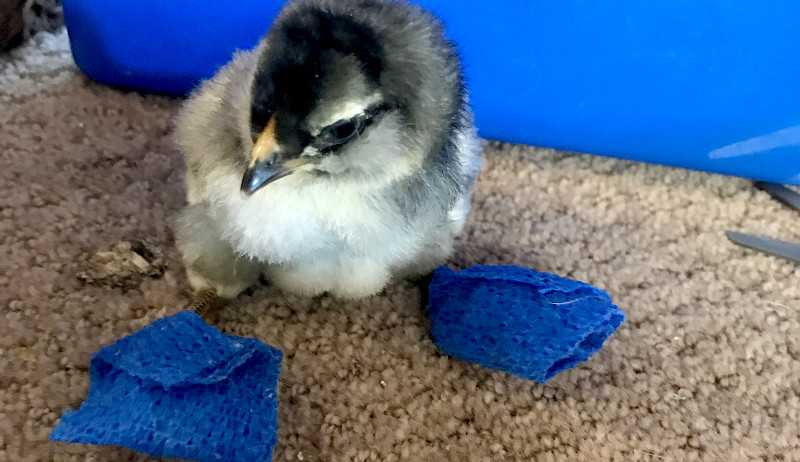
Crooked toe disorder is not life threatening, but following these treatment steps can mean an easier adult life for your bird.
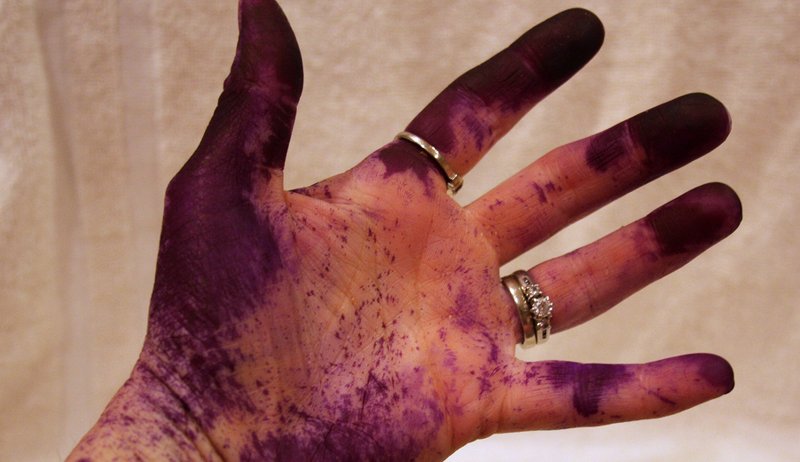
Once you've treated an injured chicken with the antiseptic remedy, you can avoid wearing this deep-colored badge of honor.