Giving goats medicine via injection or drench gun can seem intimidating, but with some knowledge and practice it's not as difficult as you might think.

Some hens are repeatedly ravished by roosters yet shunned by fellow females. Help them regain and maintain well-being by following these steps.

Mosquitoes are tiny but terrible. Learn how they threaten your farm (especially horses) and how mosquito control can prevent them from doing damage.
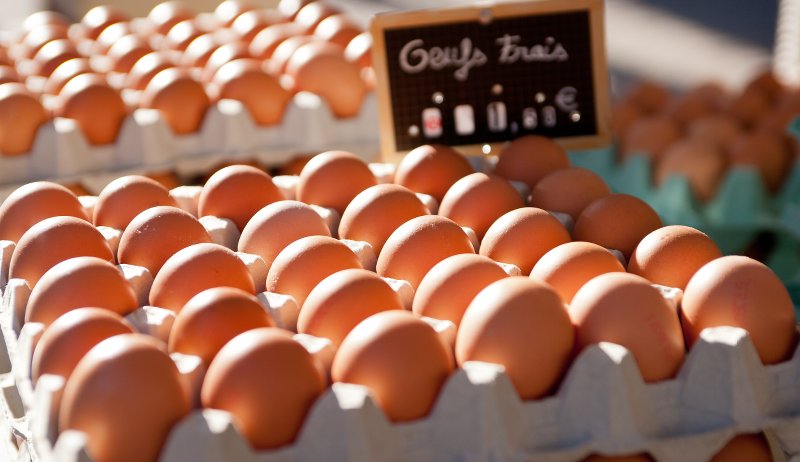
The FDA mandates commercial eggs be sanitized and chilled for consumer protection. The European Union—and U.S. small-flock farmers—know differently.

Goose eggs are much like chicken eggs, only bigger and a bit harder to crack. Here are several delicious ways you can eat the goose eggs you collect.

When nectar stops flowing during the summer, your bees will exhibit unusual behavior. Here are the signs that your hive is in a dearth.
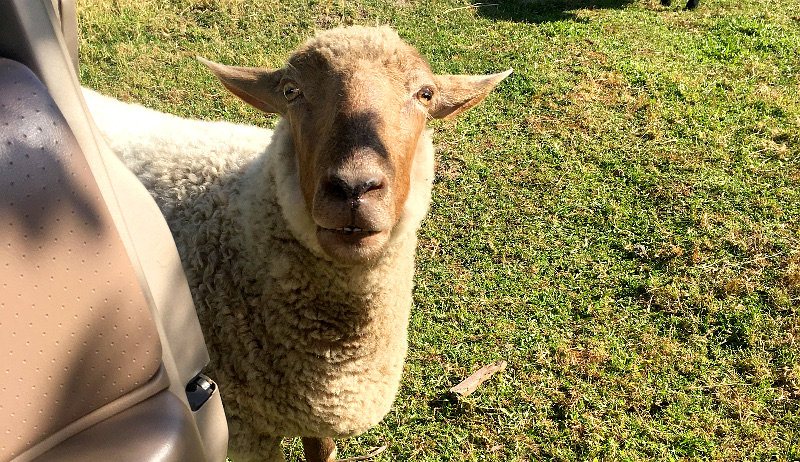
Too little or too much selenium can prove fatal, and salt blocks alone cannot guarantee sufficient amounts. Here are ways to get sheep what they need.

Point your bees to a singular source, and bottle the specific flavor of your neighborhood. Here are tips on producing varietal honey.

When to harvest honey depends on multiple factors including your region, the time of year and your bees. Here are the signs that tell you honey is ready.

As prey animals, donkeys hide pain and discomfort well. Here's what to look for in attributes, movement and demeanor to gauge general donkey health.

Bats, butterflies and hummingbirds help in addition to bees and other insects. Learn about native pollinators and what you can do to protect their habitats.

Mother pigs can be fiercely protective. In the end it's a good thing, but you do have to be careful around an aggressive sow. Here's how.