Animal stress, poor hygiene, improper milk handling and environmental factors are common causes of mistakes that occur when milking a goat.
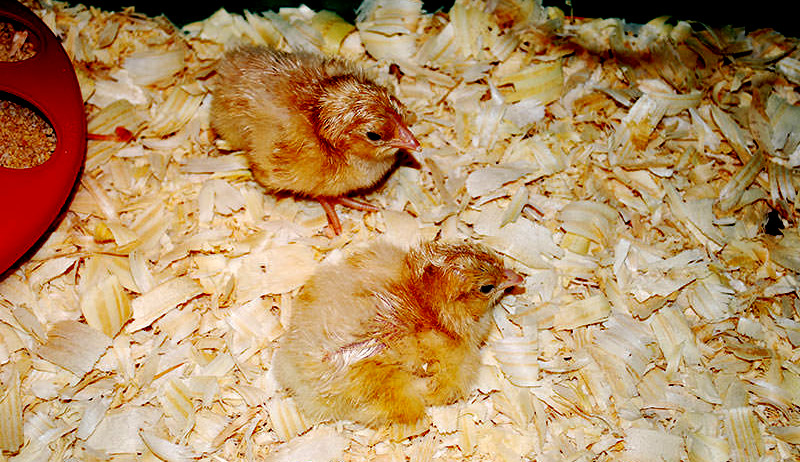
Here is the story in words and pictures of 4 chicks growing up, and our observations of raising chickens from egg to successfully mating in 23 weeks.
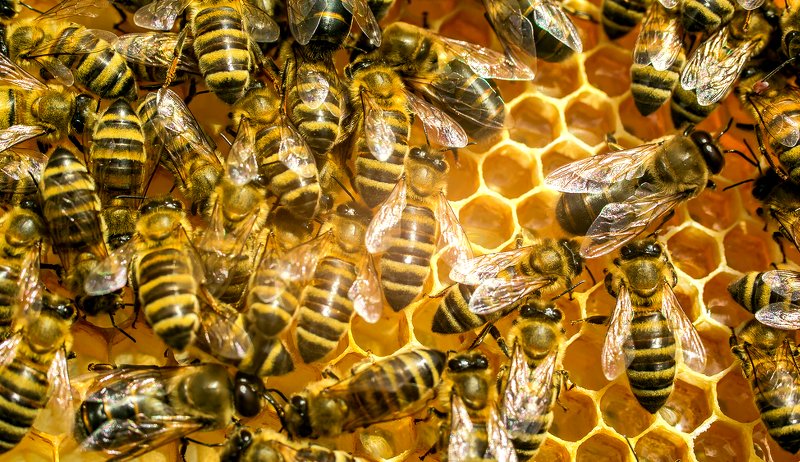
Might we be doing more harm than good by feeding our bees in times of dearth? Here are three reasons I believe the answer might be "yes."

Domesticated goats need help keeping their hooves at the proper shape and length. Get your goats' feet ready for summer with these basic instructions on a pedicure.

House sparrows bring health hazards and also eat chicken feed. Follow these methods to protect your flock from these small birds.

It's Pollinator Week, and with just a little attention, materials that are already on your property could provide shelter for valuable native bees.

The summer heat brings many bugs to beat. Here are tips on fly control for various types of livestock on your farm.

Keeping your flock internally healthy starts with what the chickens are or are not eating.

Bringing honeybees into your operation can provide more than just honey. Among other things, they're relatively inexpensive and endlessly fascinating.

Surplus eggs from your hens can go toward charity, artwork, athletes, the deep freeze -- or the renewed health of your own hair.
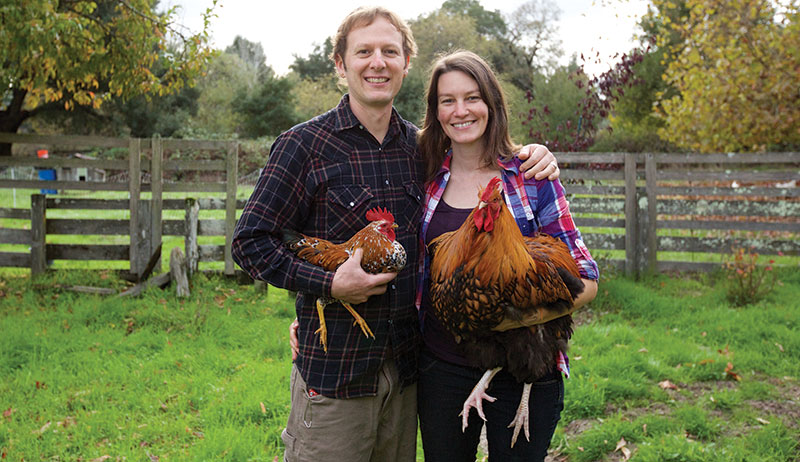
A fascination with colored eggs led a family to establish a Northern California hatchery that's home to many rare chicken breeds.
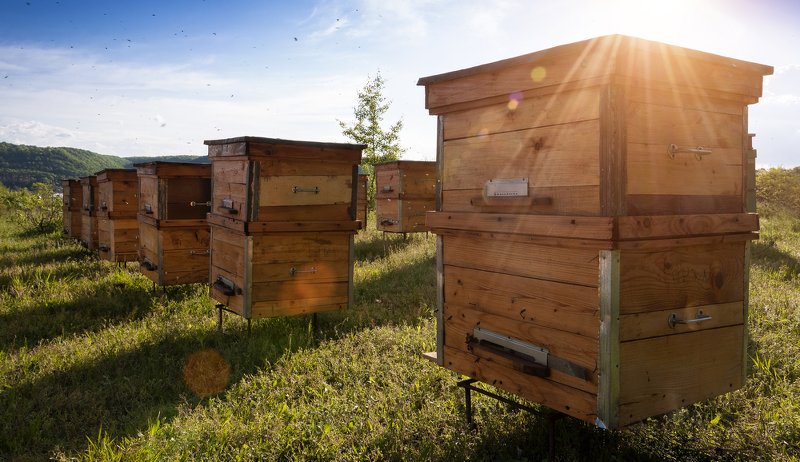
Sweaty hives and bearding bees don't necessarily mean danger. Know how to read these and other signs before taking action to change beehive ventilation.