Shetlands grow soft, strong fleeces in a delightful range of colors, patterns, and textures – a spinner’s dream come true. Indeed, the Shetland woolen industry with its fine, un-dyed sweaters, shawls, and other knitted garments owes its fame to this hardy little wool breed. .

Shropshires produce a heavy, dense fleece with a soft handle and little kemp. The wool is wonderful for spinning and knitting. The lambs of this dual-purpose breed gain weight quickly and yield a good, meaty carcass.

The fast-growing Southdown is an efficient and economical converter of grass to lean, tender and flavorful meat. They make popular exhibition livestock and good projects for young people due to their mellow temperaments.
A popular meat breed, the large Suffolk has a regal look that also offers medium wool.
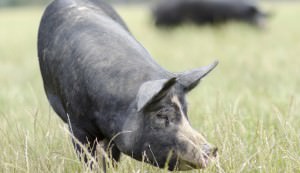
The black and white Berkshire has long been known for its excellent meat. It's becoming more popular as a niche breed among small farmers.
Alpine goats excel as dairy animals in commercial operations and on small farms, producing a high volume of milk over a long lactation period. Their milk has a good protein and butterfat content, lending itself well to cheese production.

The heavy-framed, large-boned Boer is a popular meat goat. They cross well with Kikos.

Kikos can thrive in rough conditions while producing meat efficiently. They cross well with Boers.

The Kinder goat’s combination of compact size, excellent feed conversion, and high production of quality milk with a high protein and butterfat content makes it a terrific addition to the small farm.

The only dairy goat breed to be developed in America, the distinctive LaMancha goat probably arose from the short-eared goats that accompanied early Spanish missionaries to California.

Often referred to as the “Jersey” of the dairy goat world, the Nubian goat produces a creamy milk with a high butterfat and protein content, ideal for creating cheese, yogurt, ice cream, and soap.

Oberhasli produce a sweet-tasting milk with a butterfat content of around 3.5 to 4 percent. Their docile, quiet temperaments and medium size make them a wonderful breed for the farm dairy and for showing.