Poultry can get injured, and wound care is important in case a chicken gets hurt. Here are some basic pointers for chicken wound care.

This time of year, egg production drops while chickens are molting—shedding old feathers to produce new ones. Here's how you can help them through seasonal molt.

Some chicken behavior can be downright wacky, which is definitely the appeal of backyard poultry for many. Check out some weird things your birds may do.

If you love chickens but can't commit to full-time education, consider becoming an NPIP tester to monitor disease spread among chicken flocks.

If you want to learn more about poultry science but don't have time for or access to in-person education, you may consider online poultry science certification programs.

When disaster strikes, it's important to have an emergency plan in place not just for you, but for your chickens, too. Here are some things to keep in mind.
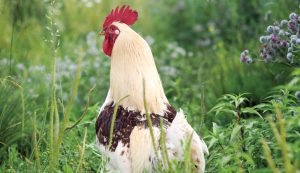
Boost your chickens' nutrition without breaking the bank by foraging these common wild herbs, many of which may already be in your yard.

How important is fresh water to chickens? Very, in fact, as hydration is key to egg production, healthy body functions and even poultry life itself.
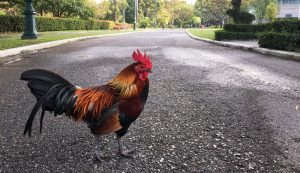
Sometimes you need to move your chickens from one point to another, so keep these things in mind when traveling with your birds.

Omnipresent in our environment, fungi can cause serious illness in poultry flocks. Here’s a look at five of the most common fungal diseases and mycotoxins that can affect our fowl.

Animals don't like fireworks, and that includes chickens, too. Here's what to watch for and what to do if your flock's terrorized by neighborly pyrotechnics.

Try as we might to care for each chicken in our flock, sometimes unexpected death occurs. Here's how to respond if one of your hens should die.